Why Careful Comparison is Needed for SMILE Lasik Retreatment



Why is a careful comparison necessary when considering SMILE Lasik retreatment?
Q. What types of examinations are performed at an ophthalmology clinic?
Ophthalmology clinics conduct various examinations, ranging from basic check-ups and vision measurements to detailed examinations of the cornea and retina.
Q. What are the effects of eye drops used at ophthalmology clinics?
Eye drops prescribed at ophthalmology clinics can usually be taken safely with internal medicine. However, depending on the specific medication, there may be conflicts or interference with treatment. Therefore, it's crucial to inform your doctor about any medications you are currently taking to ensure safe medication use and receive the necessary treatment.
When considering SMILE Lasik retreatment, several factors should be taken into account, including the recovery speed and how quickly you can return to your daily life.
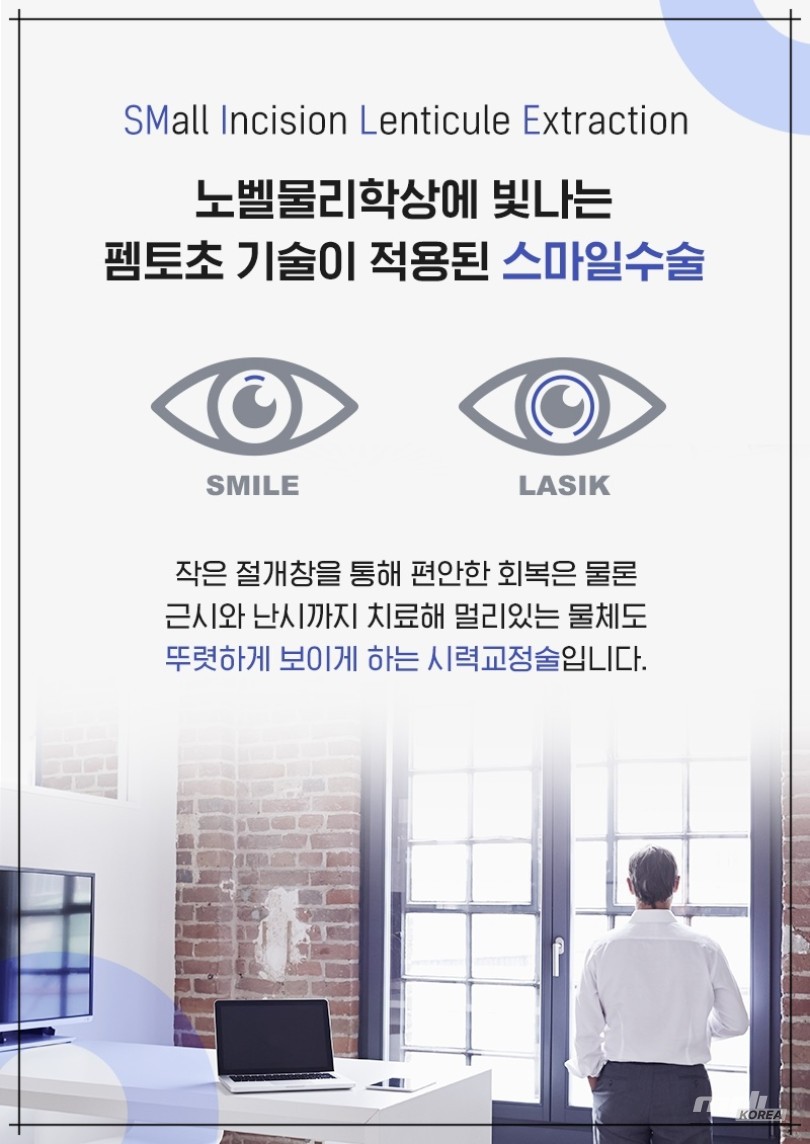
SMILE Lasik typically involves minimal burden as it corrects refraction through a small incision without creating a corneal flap. A smaller incision range is advantageous for preserving the structure and reduces initial discomfort, making it a practical option for those who perform a lot of close-up work.
However, it's not a suitable method for everyone. Therefore, a thorough examination is necessary to determine if SMILE Lasik retreatment is feasible or if alternative methods should be considered.
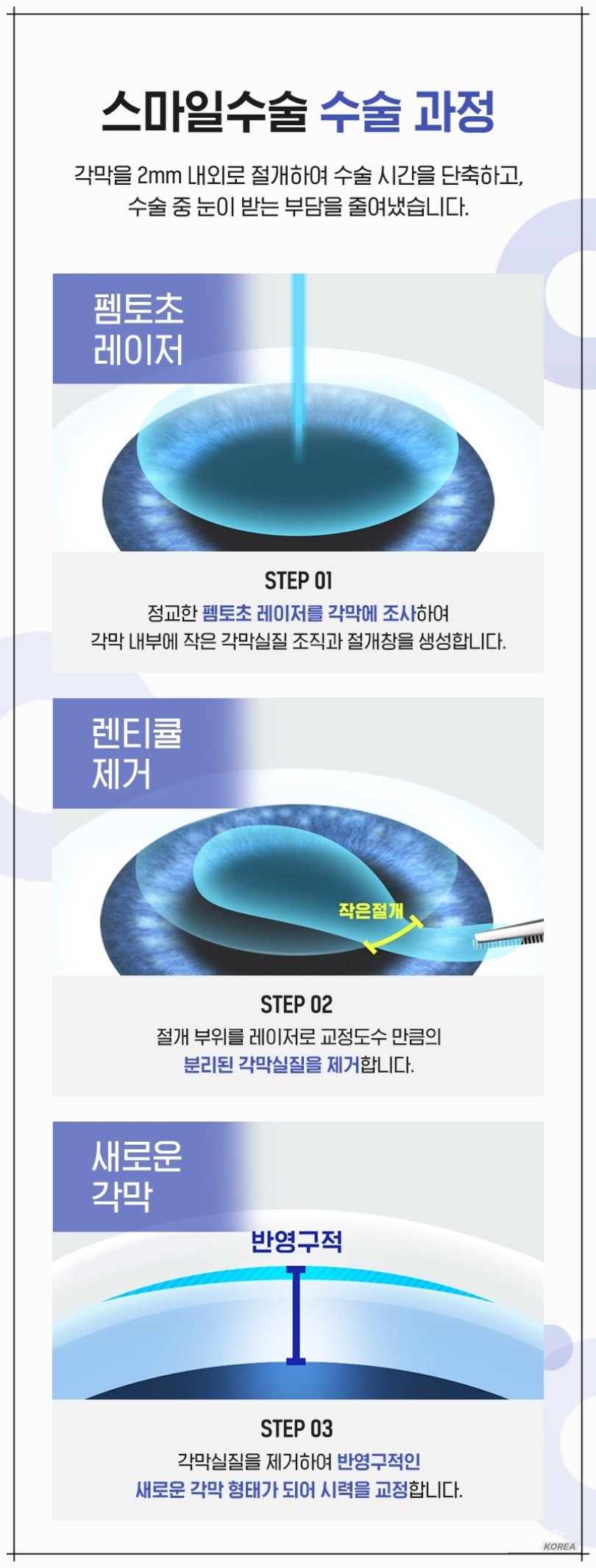
The SMILE procedure utilizes a special laser to create a thin lenticule, which is then removed through a small 2-4mm incision. This method does not widely affect the epithelium, allowing for stable condition maintenance and reduced burden on the surface from impact.
However, factors such as corneal thickness, tear film condition, curvature, and pupil size must be carefully assessed. Checking for pre-existing conditions is essential for a stable procedure. More caution is required when considering SMILE Lasik retreatment. It's important to gather detailed information before proceeding with the surgery.
To obtain precise data, you should refrain from wearing soft lenses for a few days and hard lenses for a few weeks before the examination. Additionally, maintaining an ideal condition by consuming sufficient fluids and getting enough sleep is recommended.
It's also advisable to avoid caffeine and alcohol, as they can exacerbate dryness. Adjusting the screen brightness and font size on your devices beforehand can be helpful post-surgery. Factors such as nighttime transportation and the presence of a guardian should also be considered.
The surgical process involves administering eye drops, fixing the gaze, creating a lenticule, and then removing the internal tissue through a micro-tunnel. Although the procedure usually takes about 10 minutes, it requires precision, so it's important to maintain a stable gaze according to the instructions. Immediately after the procedure, you may experience blurred vision, glare, or a foreign body sensation.
In the initial stages, avoid prolonged reading or smartphone use and minimize exposure to strong winds, dust, ultraviolet rays, and other factors that can irritate the eyes and hinder recovery. When undergoing SMILE Lasik retreatment, regular check-ups are necessary to ensure there are no complications.
Recovery should proceed in stages. During the first week, focus on resting your eyes by using prescribed eye drops and artificial tears.
From the second week, gradually increase your workload and take regular breaks to promote recovery. After about a month, you can increase the intensity of exercise, being careful not to directly compress the eyes.
Maintaining a well-humidified indoor environment and ensuring adequate hydration are important. In seasons with strong ultraviolet rays, wear sunglasses and a hat to prevent significant damage.
It's important to consider both the advantages and limitations. SMILE Lasik retreatment allows for stable treatment due to its minimally invasive nature. However, it may not be suitable for individuals with very poor eyesight or those with poor corneal condition. In such cases, adjusting the target vision can help compensate for these issues.
Above all, it's important to have realistic expectations and find a practical approach that suits your individual condition. Rather than focusing solely on cost and benefits, it's best to tailor the treatment to your lifestyle. Consider detailed conditions such as frequent driving, nighttime activities, and outdoor activities to ensure you receive the necessary treatment.
Treatment should consider factors such as discomfort from wearing lenses, conjunctivitis, and the degree of dryness depending on the season. If corneal measurements are borderline or tear fluid levels are poor, proceed with caution.
A method should be found by considering lifestyle patterns. In addition, treatment should be performed by looking at the long term and reflecting recovery. Also, avoid excessive use of the eyes and take sufficient rest to prevent the condition from worsening again.
If you find out the details in advance and receive treatment accordingly, you can promote recovery without major problems. If you receive help by reflecting your lifestyle, you can bring positive results, so please refer to it.


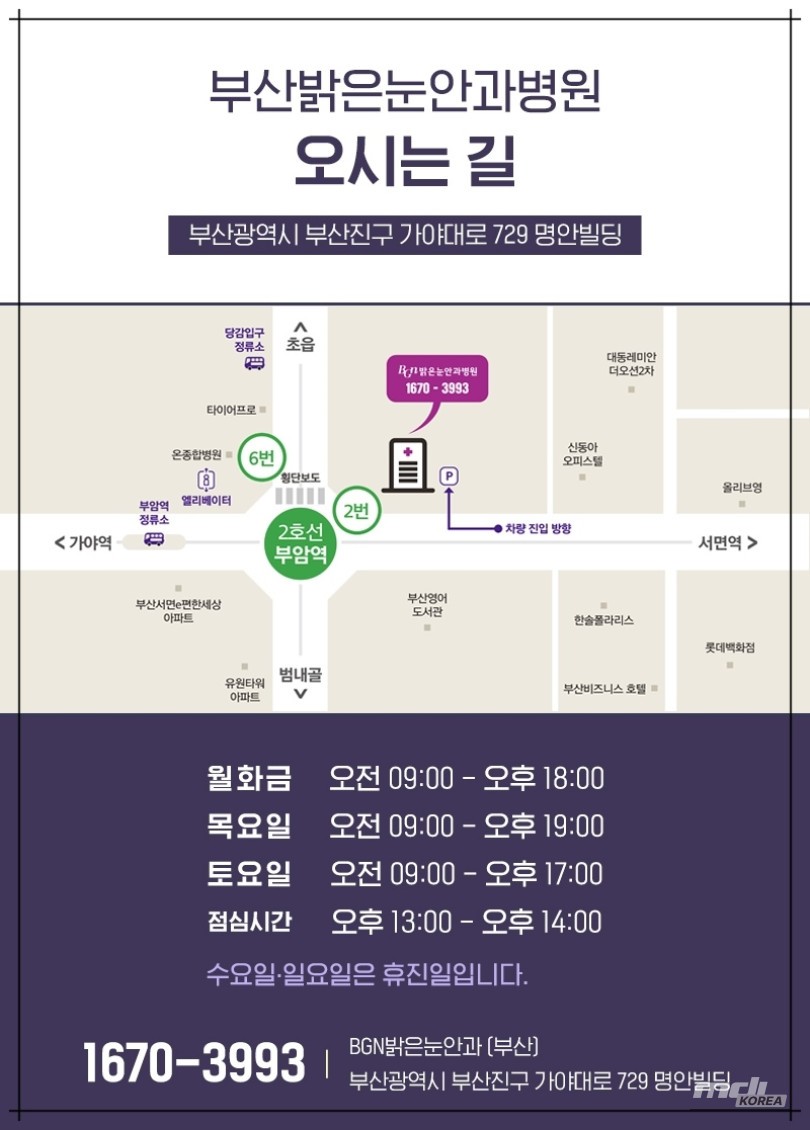

Source :https://blog.naver.com/koikoro/224082053754
No comments yet.