What Layer is Causing Your Dry Eyes?


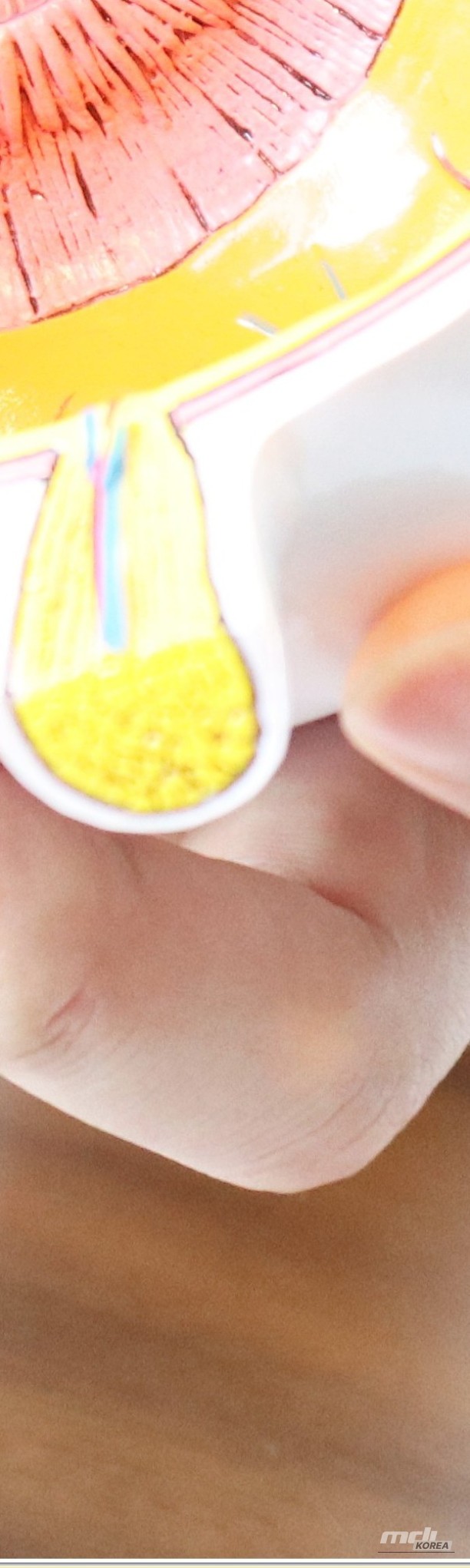
Tears are essential for protecting the eyes and maintaining visual function, beyond just expressing emotions. They defend the eyes from external stimuli and provide lubrication during movement. They also contain immune components that help prevent infection. Tears are composed of a three-layer structure: aqueous, mucous, and lipid.
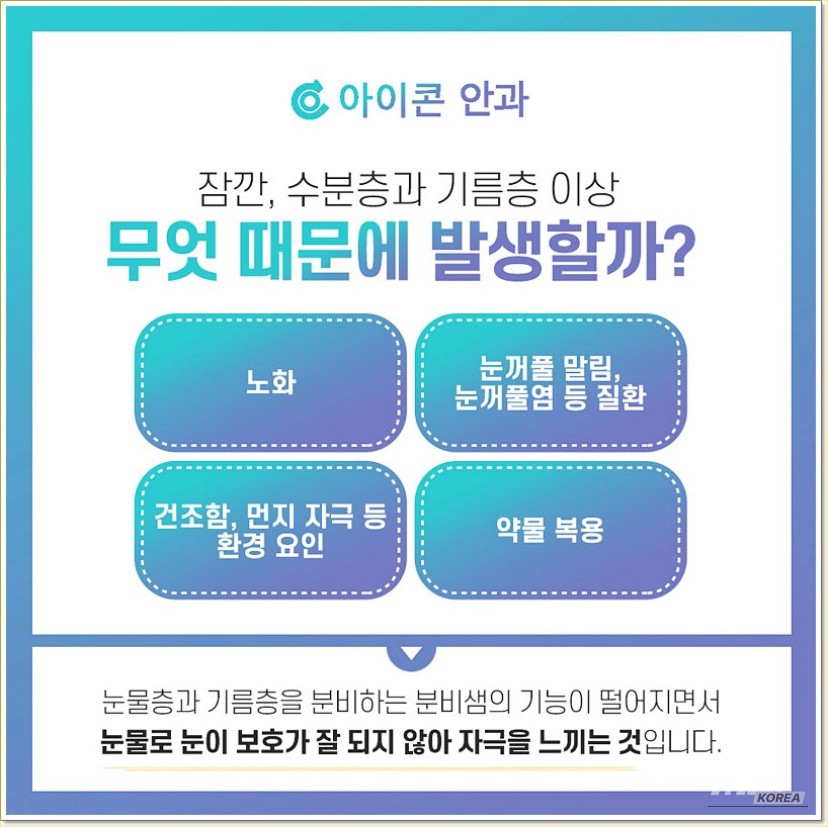
When the secretion of a specific layer decreases or its composition changes, tears can evaporate rapidly, or their protective function weakens. This leads to uncomfortable symptoms such as dry, gritty eyes, stinging, a feeling of foreign body sensation, and blurred vision. If even one of the three layers is compromised, the overall balance is disrupted, initiating dry eye syndrome.
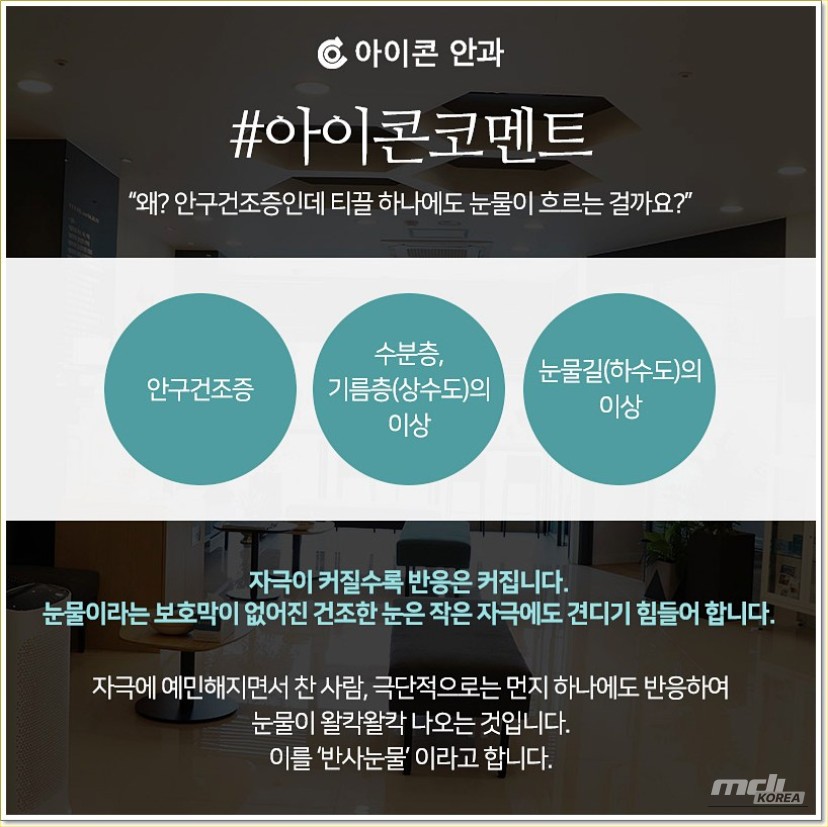
Reflex tears are of poor quality, providing inadequate protection.
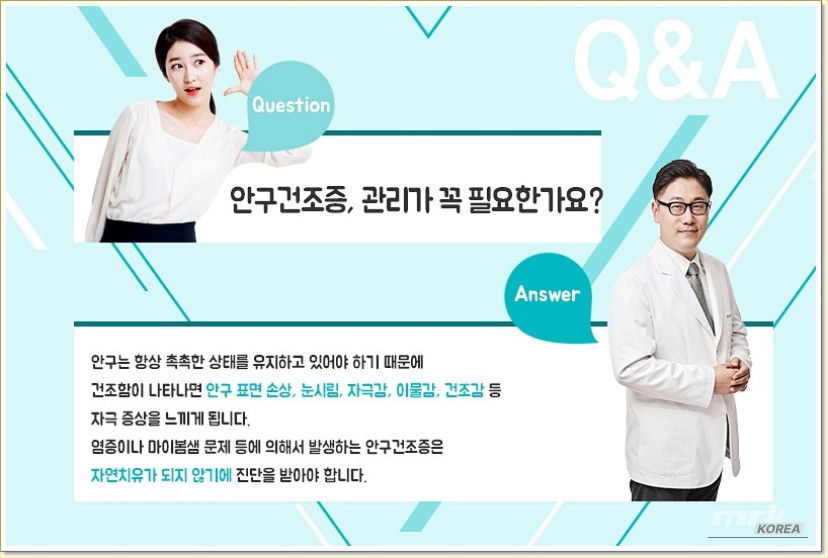
A common phenomenon among dry eye sufferers is excessive tearing alongside dryness. When the conjunctiva becomes sensitive due to persistent surface dryness, even slight irritation can trigger reflex tearing. However, these tears are of poor quality and offer insufficient protection. Dry eye syndrome is broadly categorized into two types.
Aqueous deficiency accounts for about 15%, while evaporative dry eye makes up 85%. The majority of patients suffer from the evaporative type, where tears evaporate quickly due to problems with the lipid layer. This poor tear quality is linked to dry, gritty eyes. Reflex tears, while abundant in quantity, are incomplete in composition and do not fundamentally improve the condition.
Aggressive treatment and regular check-ups are essential with increasing age.
The risk of dry eye naturally increases with age. The function of the tear and oil glands deteriorates, reducing both the quantity and quality of secretions. The meibomian glands, which produce the lipid component, weaken, leading to faster evaporation. Women over 50 experience a surge in incidence due to hormonal changes. While aging cannot be reversed, modern treatments can manage the symptoms. More proactive measures are required with increasing age.
Persistent dry, gritty eyes can lead to severe surface damage and various discomforts, making regular check-ups essential. Neglecting this condition can lead to complications, so early management is crucial.
Major symptoms that disrupt daily life:
Dry eye syndrome negatively impacts all aspects of life.
Immediately after waking: Severe dry, gritty eyes, difficulty opening eyes due to excessive eye discharge.
External stimuli: Excessive tearing in the wind, increased irritation, light sensitivity, blurred vision.
When using digital devices: Rapid fatigue, persistent foreign body sensation, redness.
Other symptoms: Stringy discharge, pain, feeling of decreased vision.
Impact on life: Hindrance to reading, driving, and work, reduced life satisfaction, decreased productivity.
These symptoms extend beyond simple discomfort and negatively affect professional activities.
Ways to alleviate dry eye symptoms through lifestyle practices:
Dry eye can be alleviated through lifestyle adjustments.
20-20-20 rule: After 20 minutes of work, look at an object 20 feet away for 20 seconds.
Maintain distance: Keep a distance of at least 30cm when reading and at least 2m when watching TV.
Eye exercises: Move eyes in various directions while closed.
Warm compress & massage: Warm and gently massage the eye area.
Indoor humidity: Maintain 40-60% humidity to prevent dry eyes.
Blue light blocking glasses: Consider wearing them when using digital devices.
Look at a distant object after near work: Relax eye muscles and reduce fatigue.
If symptoms persist despite these efforts, medical treatment is necessary. When self-care is insufficient, specific treatments should be sought.
Establishing an individualized treatment plan and consistent management are important for prognosis.
An approach that addresses both symptom relief and underlying causes is effective. Artificial tears are a basic method to temporarily moisten the surface and replenish moisture.
IPL Laser Treatment
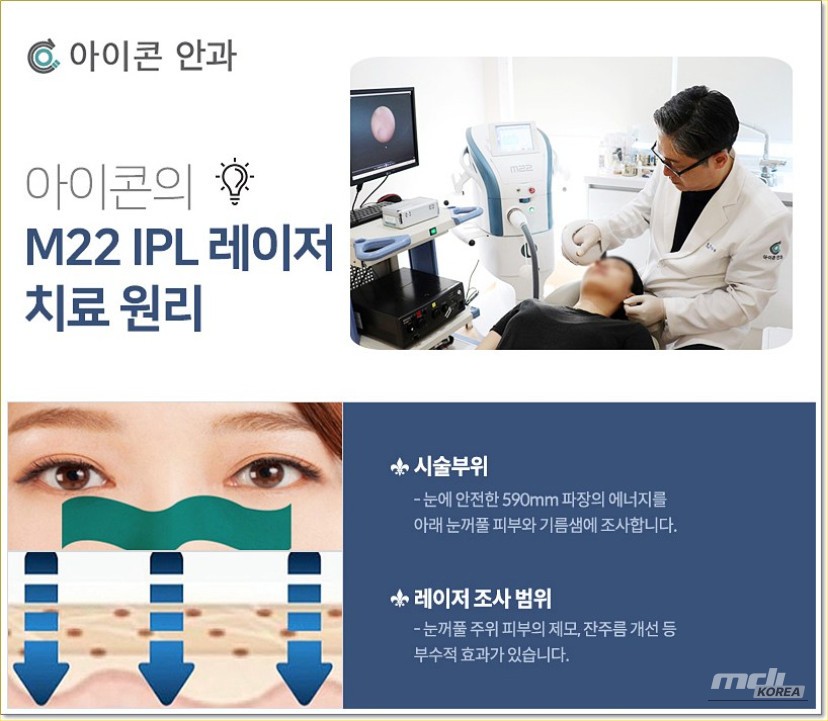
Treatment method: Uses M22 IPL laser (FDA approved)
Effects:
Opens blocked oil glands
Reduces inflammation
Normalizes blood flow and gland function with a 590nm wavelength
Features:
Innovative approach applying dermatology technology to ophthalmology
Cause-centered treatment, not just symptom relief
Potential for long-term effects
Better results can be achieved when combined with lifestyle modifications. Establishing a personalized treatment plan tailored to individual conditions is crucial and should be done after sufficient consultation with a healthcare professional. Early intervention is key to improving prognosis.
















Source :https://blog.naver.com/iconiconeye/224025978871
No comments yet.