Understanding the Recovery Period After Phakic Intraocular Lens (IOL) Implantation



Considering the recovery period after phakic IOL implantation:
Q. How much does phakic IOL surgery cost?
Generally, the cost ranges from 3 million to 5 million Korean won for both eyes. This can vary depending on examination fees, the type of lens used, and whether aftercare is included.
Q. At what age should I start getting eye exams?
It is typically recommended to have the first comprehensive eye exam before entering elementary school. After that, regular check-ups once or twice a year are advisable, aligning with the child's growth process.
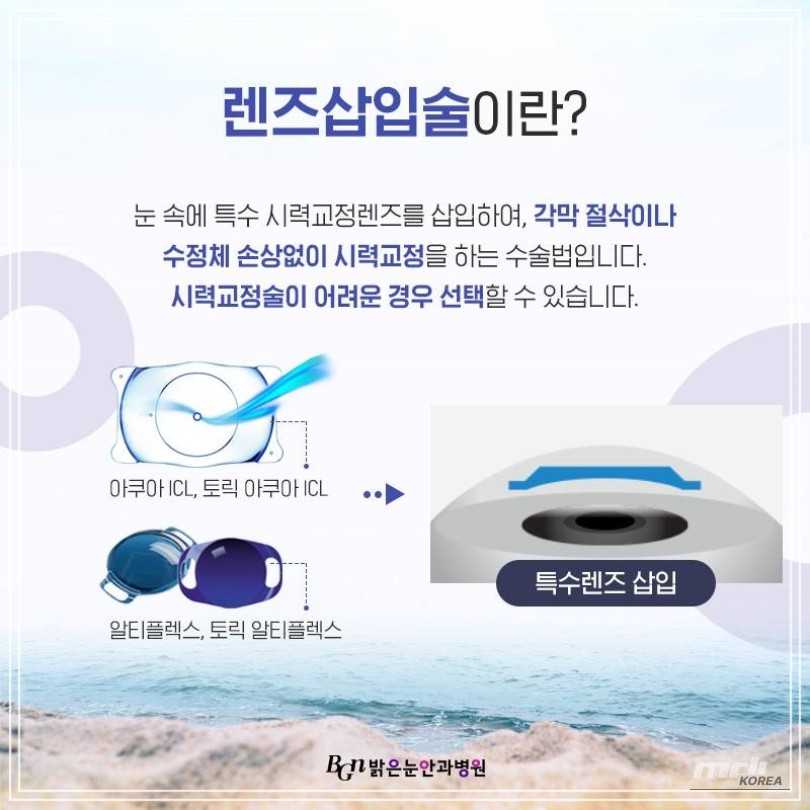
Phakic IOL implantation involves inserting a thin lens into the eye to correct refractive errors while leaving the natural lens in place. This procedure limits structural changes to the cornea, as it doesn't require significant corneal reshaping. It is considered an alternative for individuals with high myopia or thin corneas. Since the timeline for vision stabilization is a primary concern for those considering this surgery, the recovery period is explained in stages.
Myopia (nearsightedness) and astigmatism occur when the eye's length and refractive power are misaligned, causing light to focus improperly on the retina. While glasses or contact lenses can correct these conditions, surgical correction may be considered if long-term wear causes discomfort, dryness, or occupational limitations.
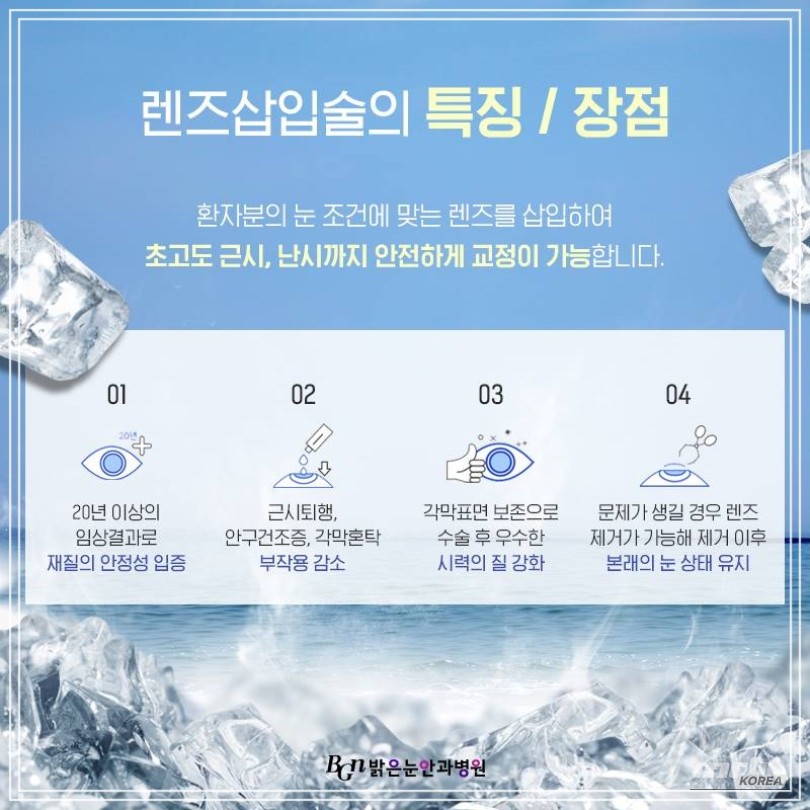
Phakic IOL implantation is less restricted by corneal thickness, making it a widely discussed option for individuals with a high degree of refractive error. However, it may not be suitable for those with insufficient anterior chamber depth or low corneal endothelial cell counts.
A thorough assessment of risk factors is necessary for individuals with a history of uveitis, glaucoma, or retinal disease. In the initial postoperative period, patients may experience glare, halos, fluctuations in near vision focus, redness, and a foreign body sensation. In rare cases, a temporary increase in intraocular pressure may occur, accompanied by severe pain and the appearance of rainbow-colored rings around lights, requiring immediate attention.
While most of these symptoms subside within a few days, individual experiences vary significantly. When discussing the recovery period after phakic IOL implantation, it's more realistic to consider a gradual stabilization process over weeks rather than expecting rapid changes on a daily basis.
The diagnostic process primarily focuses on assessing suitability. Visual acuity and refraction tests determine the target correction. Non-contact tonometry and corneal topography assess corneal stability. Anterior chamber depth and the distance between the lens and the crystalline lens are measured using tomography to ensure adequate space to prevent the lens from being too close.
Corneal endothelial cells are crucial for maintaining corneal transparency. If the cell count is below a certain threshold, surgery should be postponed. A dilated eye exam is performed to examine the retina and optic nerve for any thin areas or retinal tears. Soft contact lens wearers should discontinue lens use for a certain period before the examination to improve accuracy.
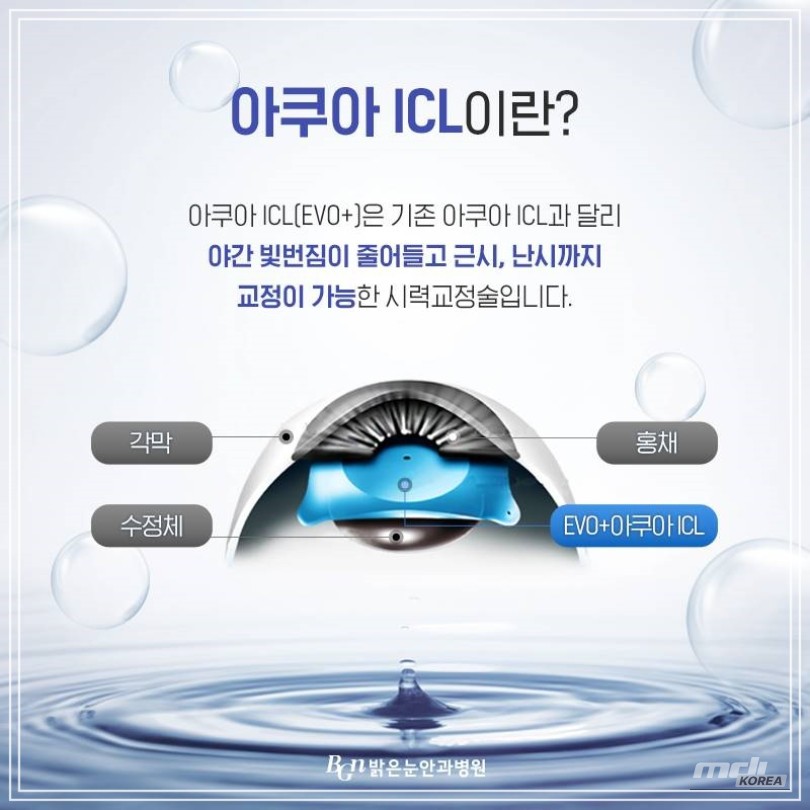
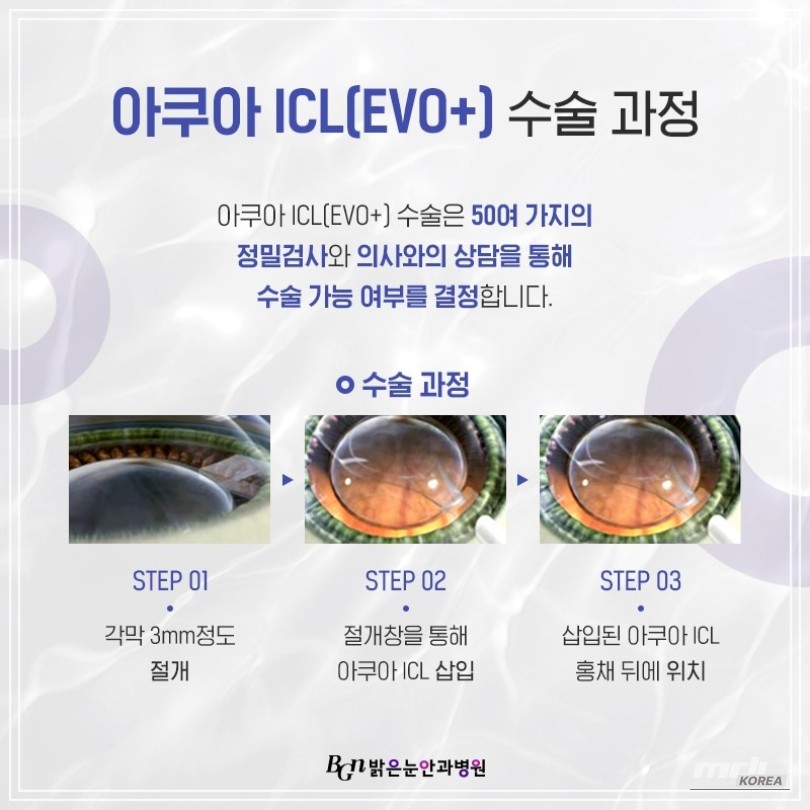
The surgical procedure involves creating a small incision at the edge of the cornea under topical anesthesia. The folded lens is then inserted into the eye and unfolded into the correct position. It is designed to maintain its position between the iris and the crystalline lens or in the space behind the iris. Both eyes may be treated on the same day, or the procedure may be divided depending on the individual's condition.
The procedure takes about 10-20 minutes per eye, but the perceived time may be longer due to preparation and checks. A key feature of the lens is that it can be replaced or removed if necessary, allowing for adjustments based on long-term outcomes.
The frequently asked about recovery period after phakic IOL implantation usually follows this pattern: On the day of surgery, light scattering and blurring may be noticeable. The next day, focus may feel more stable during basic activities. After about a week, distance vision tends to become clearer, but near vision fatigue may persist.
Around one month post-op, many patients experience a reduction in glare while driving at night. After about three months, the degree of refractive error tends to stabilize. If the patient's occupation involves frequent night work or precise visual tasks, it is safer to take a conservative approach during this period. The management plan is also closely linked to the recovery period.
During regular check-ups, intraocular pressure, corneal endothelial cell count, and the space between the lens and the crystalline lens are monitored to check for overcrowding or improper height. If elevated intraocular pressure is detected, it is managed with medication. If signs of inflammation are present, anti-inflammatory eye drops are prescribed.
If nighttime color distortion persists for an extended period, pupil response and lens centration should be re-evaluated. In rare cases where re-correction is necessary, the remaining refractive error and retinal condition are considered when determining the best course of action. It is important to receive information about how the recovery period after phakic IOL implantation can vary from person to person and to adjust the plan accordingly.
It is crucial to pay attention to any warning signs. If pain persists or sudden vision blurring worsens, seek immediate medical attention rather than waiting for a scheduled appointment. If redness worsens with fever or the degree of light scattering increases rapidly, the possibility of inflammation or intraocular pressure fluctuations should be considered. In environments with a high risk of impact, protective eyewear should be used to avoid direct blows, and the habit of rubbing the eyes vigorously should be discontinued.
In the long term, lens replacement or combination surgery can be discussed when cataracts develop, making ongoing regular check-ups essential. Prioritizing the condition of the eyes over cost and scheduling and establishing a plan that allows for a sufficient recovery period after phakic IOL implantation is the way to achieve predictable results. Lens selection should consider both refractive power and size.
Pupil size, iris shape, anterior chamber depth, and crystalline lens thickness are combined to determine the lens height. If the height is excessive, there is a greater risk of contact with the crystalline lens. If the height is insufficient, the lens may not be properly positioned, which can lead to recurring blurring.
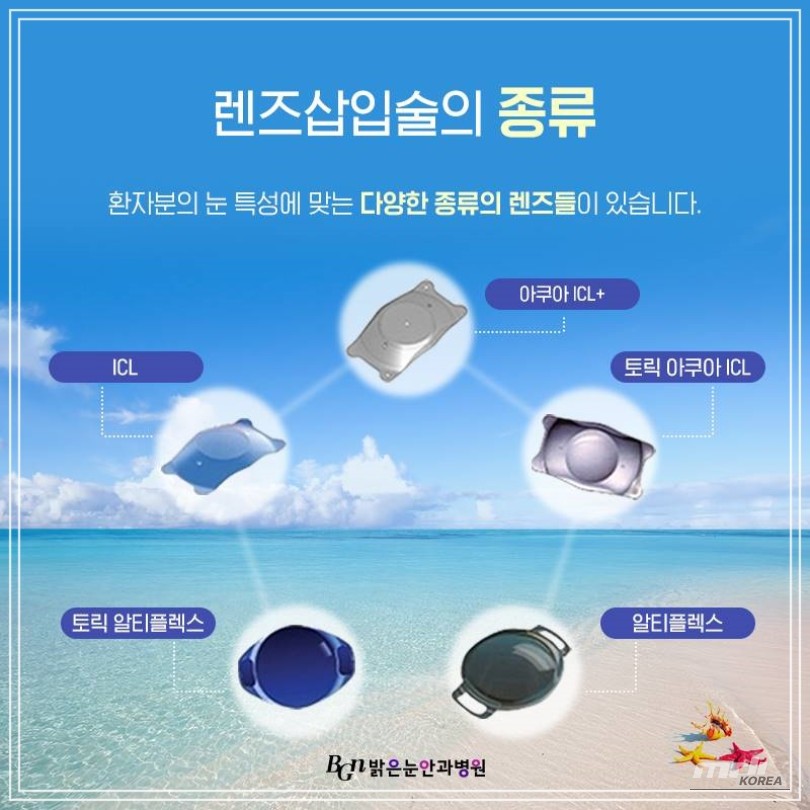
In cases of high astigmatism, a model with a cylindrical component should be selected, and the axis alignment should be carefully adjusted to ensure stable vision. During the pre-operative consultation, the patient should provide specific information about the visual distances required for their occupation, the frequency of nighttime activities, and the amount of time spent using screens to adjust the target refraction and schedule.
The examination and follow-up schedule typically includes visits on the day after surgery, at 1 week, 1 month, and 3-6 months. If the patient has a long history of soft contact lens wear, they are often instructed to discontinue lens use 3-7 days before the comprehensive examination. Hard contact lens users may be required to discontinue use 2 weeks prior.
During the initial month, intraocular pressure is closely monitored, so the schedule for administering eye drops is intensive, and the intervals are adjusted based on the individual's response. If intermittent halos or light scattering persists, the pupil and lens position should be checked together to find a solution.



Source :https://blog.naver.com/koikoro/224029675370
No comments yet.