Understanding Presbyopia and Cataracts: A Guide from a Gangnam Eye Clinic



As we age, typically starting in our mid to late 40s, our bodily functions gradually decline. However, with the increased use of electronic devices like smartphones, laptops, and computers, age-related vision changes are now frequently observed in people in their 20s and 30s. These changes can potentially lead to eye diseases, making early intervention crucial to prevent further deterioration.
Around the late 40s, a common sign of aging eyes is the increasing difficulty in seeing objects up close, a condition known as presbyopia. This decline in near vision can significantly impact daily life, making it challenging to read books, newspapers, or use smartphones. People with presbyopia often find that holding objects further away improves clarity, and vision may seem worse when tired or in dim lighting. Prolonged close-up work can also trigger headaches. These symptoms arise from the reduced ability of the crystalline lens to adjust focus between distances. While reading glasses can help, refractive surgery offers an alternative for those who find glasses inconvenient.
Presbyopia surgery often involves reshaping the cornea with a laser, similar to LASIK or LASEK procedures. However, standard vision correction surgeries may not be suitable for everyone, especially if the crystalline lens has lost elasticity. Furthermore, the effects of aging can eventually lead to a recurrence of vision problems. Therefore, the surgical approach must be tailored to the individual's eye condition.
Presbyopia surgery typically involves minimal pain, quick recovery, and rapid adaptation, making it a viable option for those with busy schedules. However, if cataracts are present instead of, or in addition to, presbyopia, it's essential to consult with an ophthalmologist at a specialized clinic to determine the appropriate treatment plan.
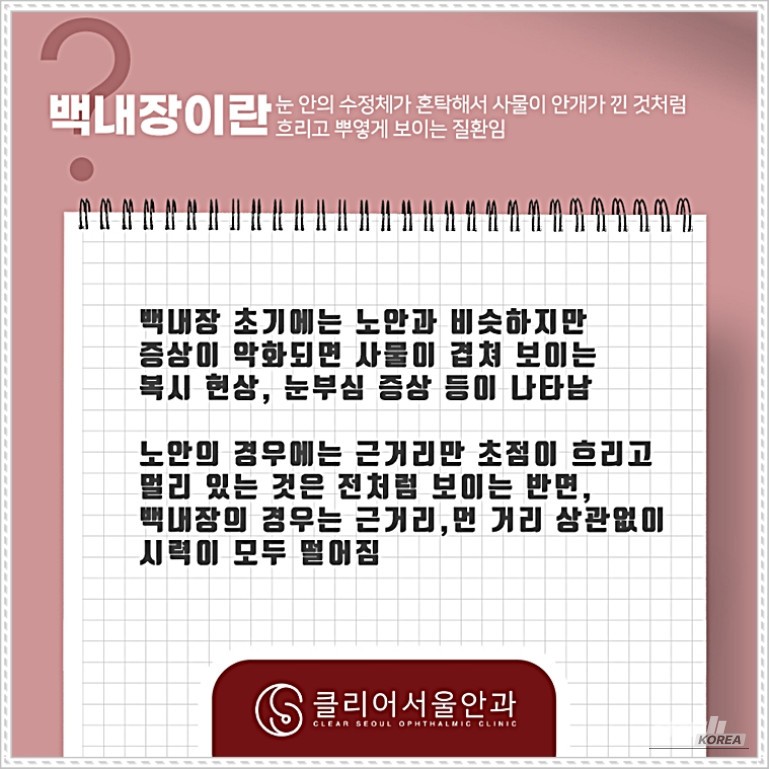
Cataracts occur when the normally transparent crystalline lens becomes cloudy. While most commonly associated with aging in the late 60s or early 70s, cataracts can also result from other factors. Neglecting to correct presbyopia can increase the risk of developing cataracts, making regular eye exams essential for individuals over 40.
A healthy crystalline lens allows light to pass through, enabling clear vision. When cataracts develop, the clouded lens obstructs light, leading to blurred or hazy vision and a decline in overall visual acuity, especially at a distance. While medication can slow the progression of cataracts, it cannot reverse the clouding. If medication proves effective, surgery may be postponed. However, if the condition worsens, prompt surgical intervention may be necessary.
Presbyopia and cataracts can be easily confused in their early stages due to similar symptoms like decreased vision and issues with the crystalline lens. Because the progression is often slow, self-diagnosis can be difficult. A key distinction is that presbyopia primarily affects near vision, causing blurriness up close, while cataracts cause a general haziness or blurriness at all distances.
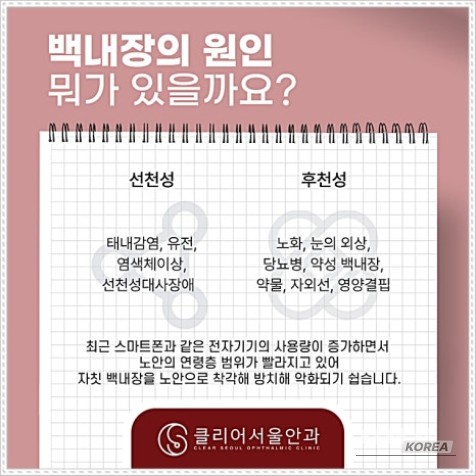
While cataracts are often age-related, they can also be hereditary. Congenital cataracts can be present at birth or develop in early childhood. Individuals with a family history of cataracts should undergo more frequent eye exams. Cataracts can also be caused by eye injuries that rupture the lens capsule, although the prognosis for traumatic cataracts may be less favorable even with prompt surgery. Other risk factors include diabetes, which can lead to complications affecting the lens, and prolonged exposure to ultraviolet (UV) radiation. Therefore, comprehensive eye care and protection are essential.
As cataracts progress, various symptoms can manifest, including double vision, difficulty seeing in bright light but improved vision in dim light, faded color perception, and distorted images.
While these symptoms may initially be intermittent, they tend to become more frequent over time. If symptoms significantly interfere with daily life, consulting with an ophthalmologist to discuss surgical options is advisable. Cataract surgery involves removing the clouded lens and replacing it with an artificial intraocular lens (IOL) to restore vision. The procedure typically involves a small 2-3mm incision in the cornea, minimizing trauma to the eye.
Patients can usually return home on the same day as the surgery. However, it's important to rest and avoid straining the eyes. Electronic device use should be limited to promote healing. Prescribed eye drops should be administered as directed to prevent infection. Water should be kept out of the eye for about three days to minimize the risk of infection. Gently clean any discharge around the eye with a cotton swab, being careful not to introduce water. Avoid sleeping face down, lifting heavy objects, or bending over, as these activities can increase intraocular pressure and potentially lead to complications like glaucoma.
Cataracts are a common age-related condition. While often considered a natural part of aging, neglecting treatment can lead to complications and, in rare cases, an increased risk of blindness. Therefore, surgical intervention is generally recommended once the condition reaches the moderate stage.
Vision plays a crucial role in our quality of life. Regular eye exams are essential, even in the absence of symptoms. Maintaining a healthy lifestyle, including regular exercise and a balanced diet with nutrients beneficial for eye health, is also important. Since damaged vision is often difficult to restore naturally, proactive eye care is crucial for maintaining clear vision and overall well-being.






















Source :https://blog.naver.com/whgus4231/224063003549
No comments yet.