Understanding Presbyopia and Cataract Surgery Costs



Hello.
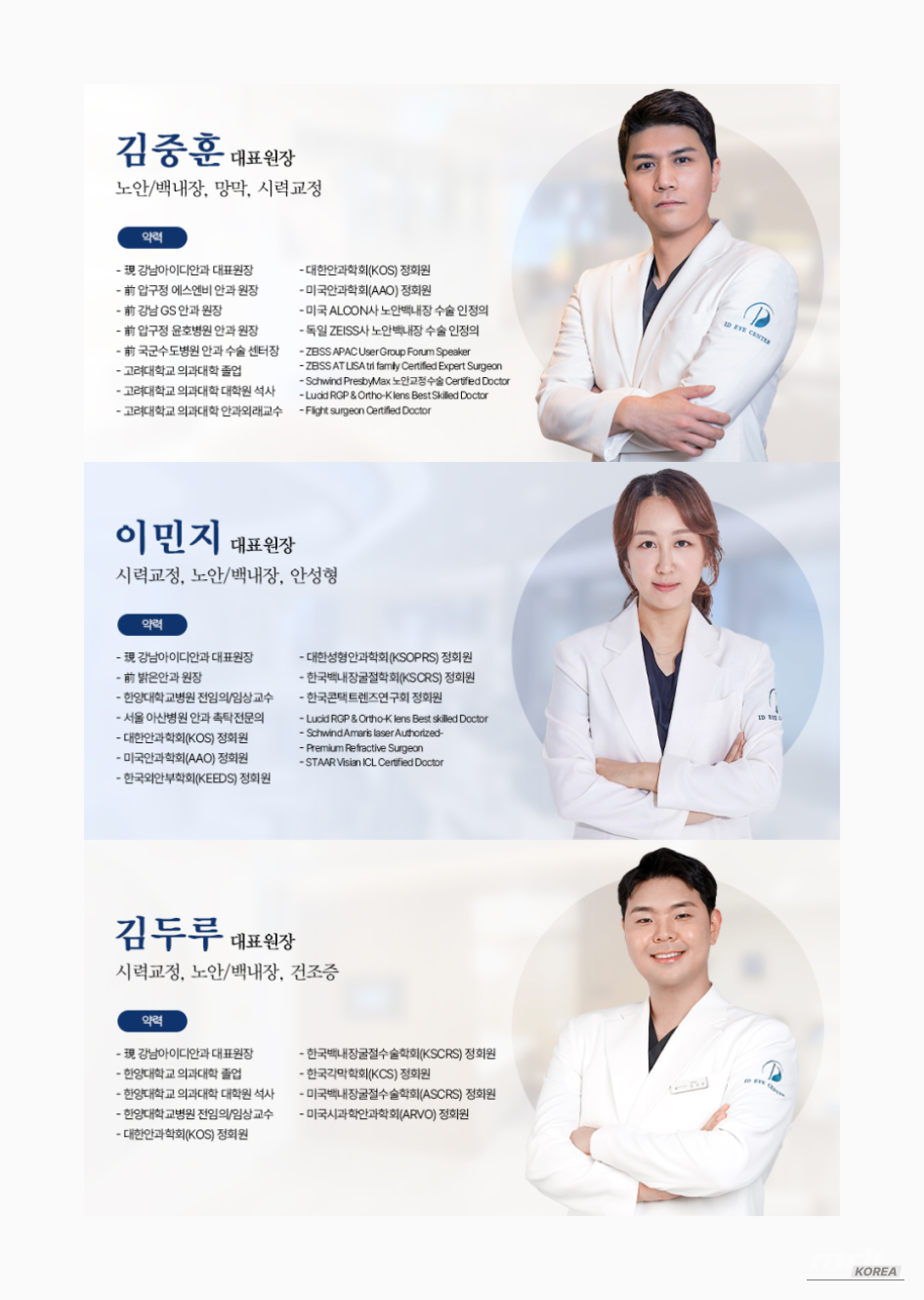
I am Kim Joong-hoon, head director of Gangnam ID Eye Clinic.
As people age, their bodily functions naturally weaken, including their eyesight.
Just as muscle strength diminishes with age, the muscles that control the thickness of the crystalline lens also weaken. Consequently, declining vision is a natural part of aging.
Thanks to remarkable advancements in medical technology, average life expectancy has increased. However, it's impossible to stop aging. The eyes are particularly susceptible to age-related changes. Common eye problems associated with aging include presbyopia (age-related farsightedness) and cataracts.
Both conditions are frequently observed in middle-aged, older adults. They both arise from abnormalities in the crystalline lens, which acts like a camera lens. Although they share similarities, they can be confusing. The causes, symptoms, and treatment approaches for each condition vary, making accurate diagnosis and appropriate responses essential.
Today, we will discuss everything from presbyopia and cataract surgery costs to individual procedures, advantages, disadvantages, characteristics, and lens selection.
Presbyopia occurs when the crystalline lens loses elasticity and hardens due to aging, reducing its ability to adjust. Cataracts, on the other hand, are caused by the crystalline lens becoming cloudy due to aging or other congenital or acquired factors.
Common symptoms of presbyopia include delayed focus conversion between near and far distances, which can significantly inconvenience daily life. This is especially true for modern individuals who frequently use electronic devices such as computers and smartphones, as it can greatly reduce work efficiency and overall satisfaction.
Typical symptoms of cataracts include blurred or foggy vision, vision impairment, double vision (diplopia), glare, halos around lights, and severe light sensitivity, all of which can significantly diminish quality of life.
Unlike presbyopia, cataracts can lead to various complications, including glaucoma, one of the leading causes of blindness. Therefore, cataracts should be taken more seriously than presbyopia.
Cataracts and presbyopia share similar initial symptoms, leading to frequent confusion among patients. Mistaking cataracts for simple presbyopia and failing to seek prompt treatment can result in vision loss. Regular eye exams are crucial to avoid missing the optimal treatment window.
Recently, with the explosive increase in the use of smartphones and other electronic devices, cataract patients are increasing even at relatively young ages. It is important to pay closer attention to your eye health.
Why is cataract surgery necessary?
Early-stage cataracts worsen over time and can lead to vision loss. While medication can slow the progression, it cannot restore clarity to an already clouded lens. Surgery is the primary treatment method.
Therefore, it's essential to discuss with your doctor whether you are a candidate for cataract surgery and whether non-surgical treatments can slow the progression of cataracts. Careful planning is crucial.
As cataract surgery becomes more common, it is evolving beyond simple vision correction to improve overall quality of life. It is important to carefully examine and choose a suitable method.
What are the causes of cataracts and the cataract surgery procedure?
The most common cause of cataracts is aging. Other causes include atopic dermatitis, allergic diseases, chronic eye rubbing, injury from external impact, and excessive exposure to ultraviolet light. Various environmental and lifestyle factors can threaten eye health, making consistent eye care essential.
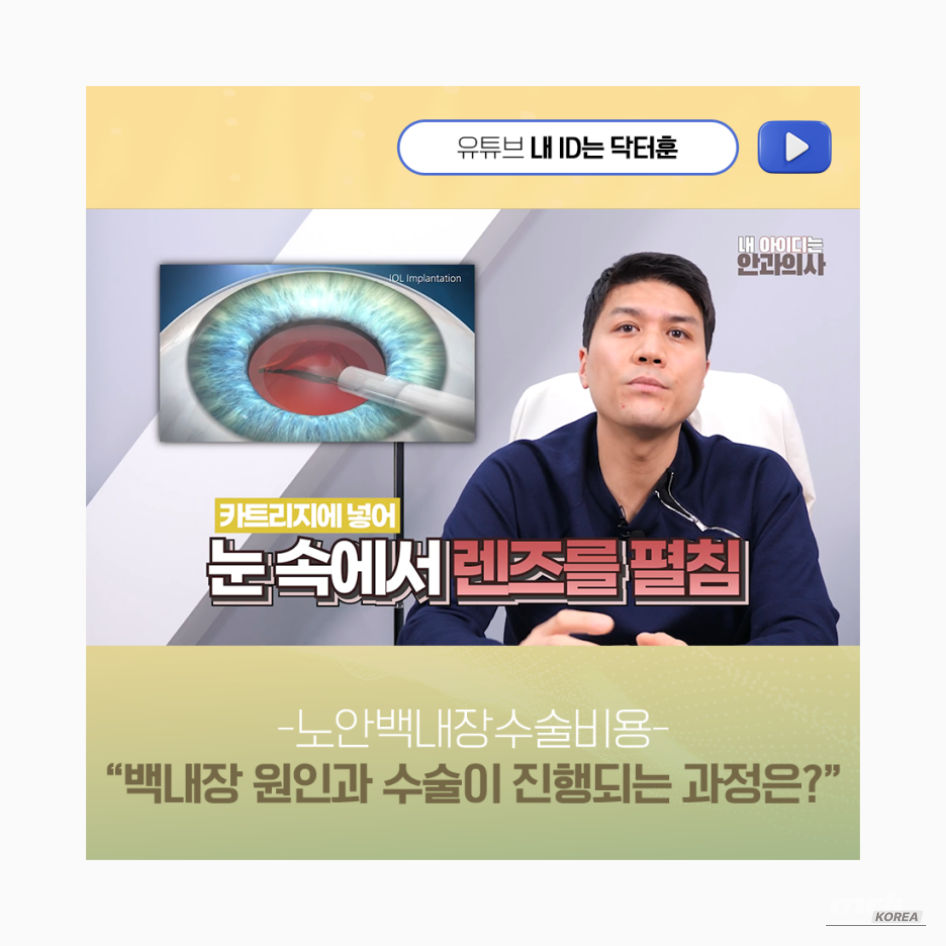
Cataract surgery involves removing the clouded lens and replacing it with an artificial lens.
This surgical method has been proven safe and effective over many years. In particular, incisions are becoming smaller, and recovery times are faster, reducing the burden compared to the past.
Artificial lens types and costs
Artificial lenses used in cataract surgery are divided into monofocal and multifocal lenses. Monofocal lenses are focused on either near or far distance, while multifocal lenses are focused on both, allowing clear vision at various distances.
Monofocal lenses may be more suitable for those who primarily focus on near or far work, but require the use of reading glasses as needed. Multifocal lenses are recommended when vision correction is needed at all distances. They allow clear vision from near to far, greatly reducing reliance on reading glasses.
Recently, more people are choosing multifocal lenses. It is important to compare carefully and choose the method that is right for you.
The cost of presbyopia and cataract surgery generally ranges from 1,000,000 to 3,000,000 KRW and can vary depending on the lens selected, individual eye conditions, and the clinic. It is important to establish clear criteria and make a choice.
Important considerations
The significance of cataract surgery extends beyond simple vision restoration to meeting lifestyle and visual needs. In the past, the primary goal was to restore blurred vision, but now individual lifestyles are taken into account.
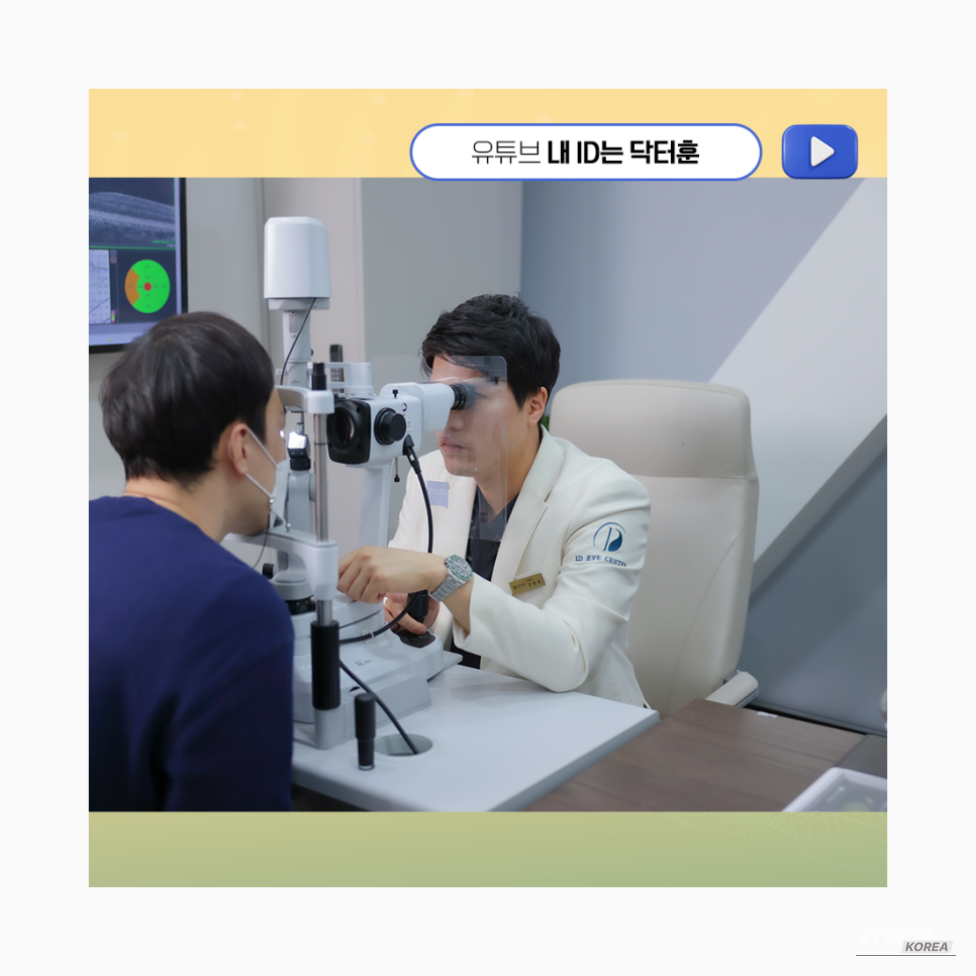
Therefore, it is important to undergo a thorough examination to determine eye length, corneal curvature, and the presence of any accompanying diseases. Based on this, it is important to establish a suitable plan. It is advisable to check whether there are experienced and skilled medical staff, whether the latest equipment is available, and whether thorough follow-up care is provided.
Rather than focusing on the cost of presbyopia and cataract surgery, I hope you will achieve satisfactory results through personalized cataract surgery. While cataracts cannot be completely prevented, I hope you will protect your eye health through regular eye exams.
Thank you for reading this long article. This was Kim Joong-hoon, head director of Gangnam ID Eye Clinic.





































Source :https://blog.naver.com/tkatlrltkatl/224022381116
No comments yet.