Understanding Corneal Aberrations and PersonalS LASIK/LASEK



Just as fingerprints are unique to each individual,
each person's cornea also has subtle differences.
To explain these differences in more detail,
we use the concept of "aberrations."
There are two types of aberrations: lower-order and higher-order.
Lower-order aberrations include refractive errors like
myopia (nearsightedness), astigmatism, and hyperopia (farsightedness), which are
typically correctable with glasses.
Commonly known LASIK and LASEK surgeries
correct these lower-order aberrations to provide the
same effect as wearing glasses.
However, subtle corneal irregularities beyond myopia, astigmatism, and hyperopia
are called higher-order aberrations.
These are very subtle refractive errors (contrast sensitivity, clarity)
that are difficult to correct with glasses.
Gangnam Bright World St. Mary's Eye Clinic
PersonalS LASIK LASEK
PersonalS LASIK and PersonalS LASEK, performed at
Gangnam Bright World St. Mary's Eye Clinic,
refer to a laser irradiation method that corrects these
subtly occurring refractive errors, or higher-order aberrations.
Here, the PersonalS LASIK and PersonalS LASEK
surgical methods at Gangnam Bright World St. Mary's Eye Clinic
not only correct lower-order aberrations but also
correct myopia, hyperopia, and astigmatism by using a laser to
reshape the cornea so that the focal point lands on the center of the retina.
PersonalS can correct overall eye errors, including
subtle corneal curvatures, the retina, the crystalline lens,
and the vitreous body.
Furthermore, it reduces the possibility of side effects
such as decreased night vision or glare that
sometimes occurred after general LASIK and LASEK surgeries.
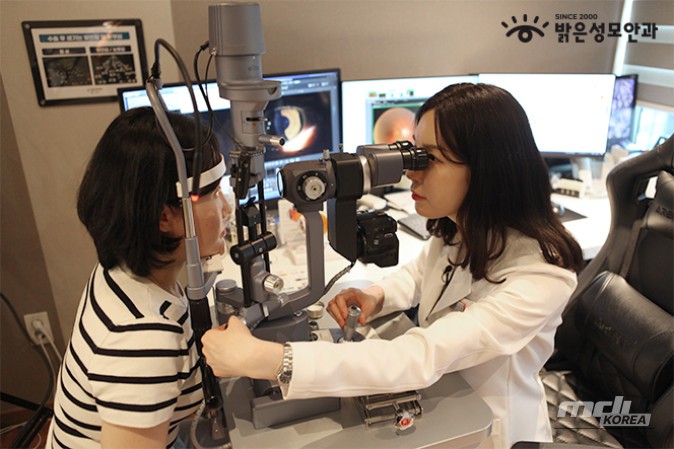
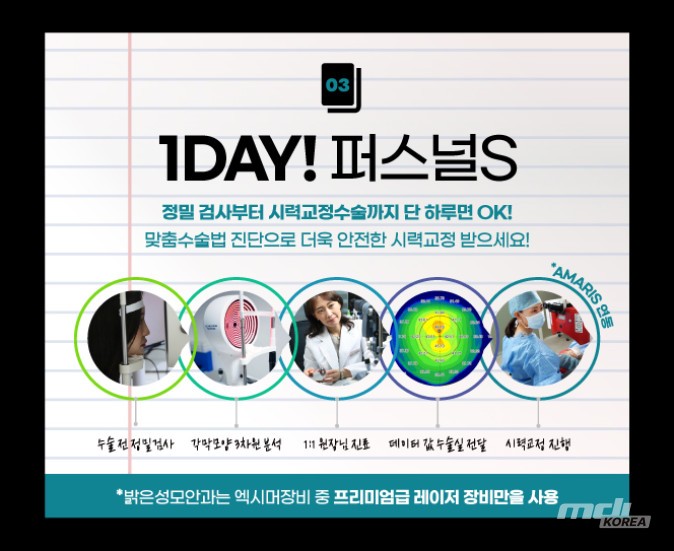
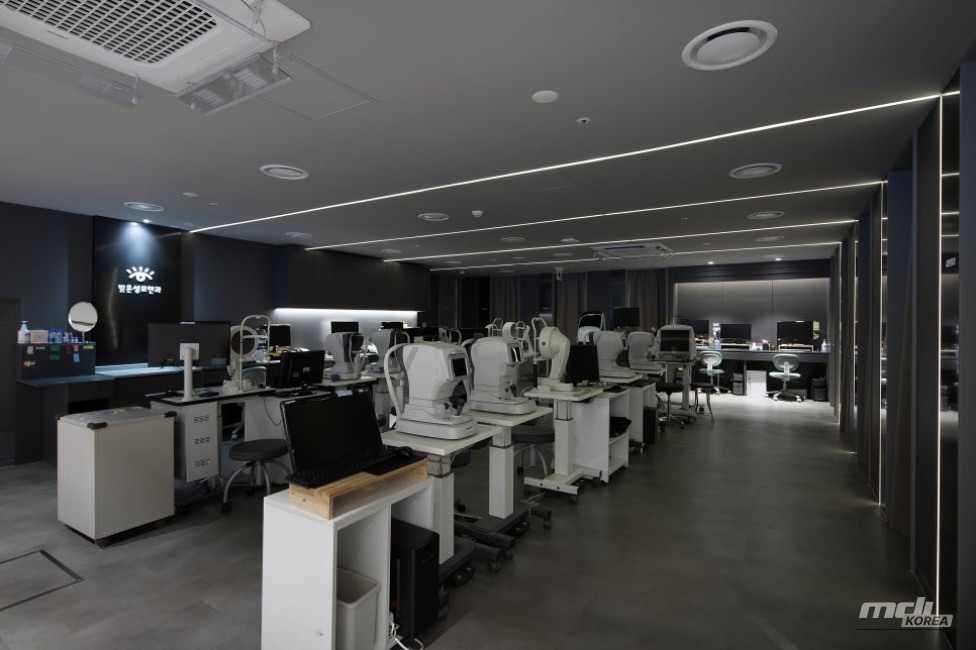
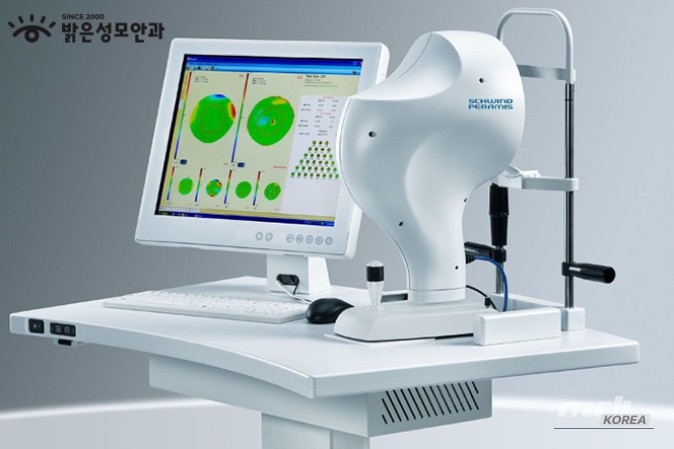
The examination process using the Sirius device,
performed before PersonalS LASIK/LASEK surgery,
precisely measures the degree of subtle unevenness
on the surface of the eye (cornea).
Based on these measurements, during surgery,
we smoothly correct the surface of the eye (cornea)
along with myopia and astigmatism.
When PersonalS surgery (LASIK, LASEK) is performed
by applying the data measured with this device:
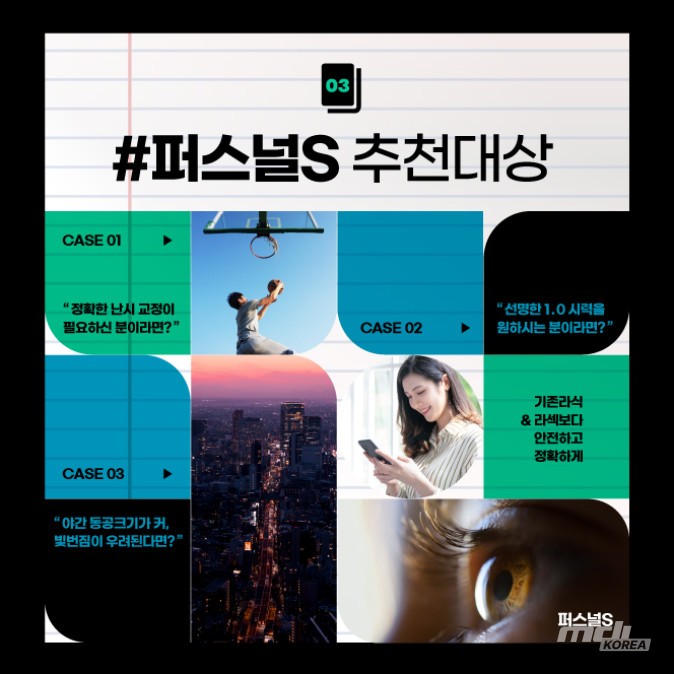
01. Improves vision by correcting
higher-order aberrations (contrast sensitivity, clarity).
02. Improves vision by correcting
irregular astigmatism (corneal scars, entropion, etc.).
03. Reduces night glare and halos,
improving the quality of night vision.
04. Vision correction is now possible
for those who previously had difficulty
undergoing surgery due to high astigmatism or high myopia.
05. It is also possible for those who had
limited surgery due to an uneven corneal surface.







Source :https://blog.naver.com/oklasik3/223900931167
No comments yet.