Understanding Cataract Symptoms and Treatment Options at Yeoksam Station Ophthalmology


As we age, especially after 40, we experience various changes. These can range from knee pain and graying hair to deeper wrinkles. Eye-related aging is often underestimated, but it's crucial to pay attention as it can lead to eye diseases. Early symptoms of eye aging are often mild and easily dismissed. However, conditions like cataracts can lead to complications and even vision loss. Therefore, regular eye exams at an ophthalmology clinic near Yeoksam Station are essential. With increased digital device usage, even those in their 20s and 30s are experiencing eye aging, making vigilance even more important.
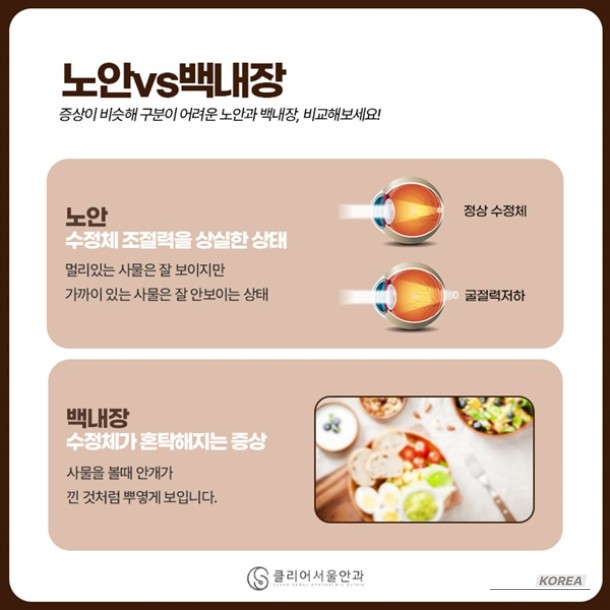
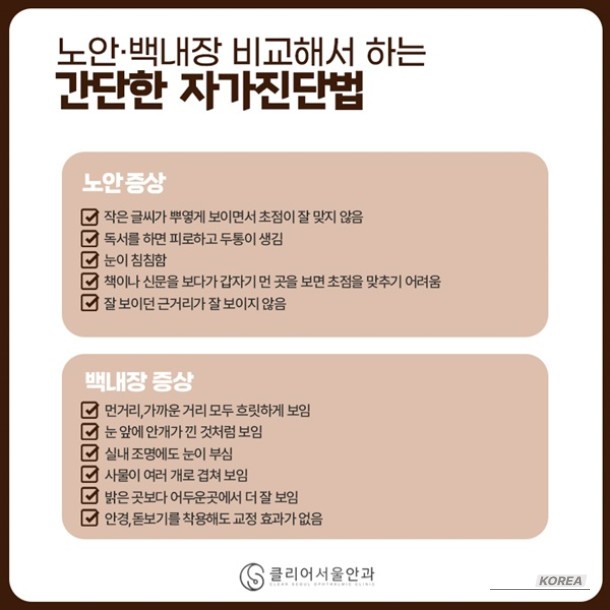
Common age-related eye conditions include presbyopia (farsightedness) and cataracts. While distinct, their initial symptoms can be similar, making it important to understand the differences. Presbyopia occurs when the lens's elasticity weakens, making it difficult to see objects up close. The lens needs to thin for distant vision and thicken for close-up vision. Age-related loss of refractive power causes this condition. While reading glasses can correct near vision, refractive surgery can be an option for those who enjoy sports or dislike glasses. Presbyopia can often be managed, but neglecting it can potentially lead to cataracts, emphasizing the need for regular check-ups.
Cataracts involve the clouding of the eye's lens, which should normally be transparent to allow light to pass through. When the lens becomes clouded, vision becomes blurry, hazy, or as if looking through a fog. These are early signs of cataracts. As the clouding worsens, various other symptoms can appear, highlighting the importance of early detection and treatment.
The clouding of the lens progresses slowly, making it difficult to notice in the early stages. Since it often occurs in individuals in their 60s and 70s, those in their 40s and 50s may not suspect it. However, as the clouding increases, one may experience double vision, improved vision at night, yellowed vision, or distorted images. Some individuals may even experience a sudden onset of nearsightedness. These early symptoms of cataracts can disrupt daily life, so consulting with a healthcare professional to find solutions is crucial.
Cataracts are often age-related, typically occurring in the mid-60s and later. However, they can also be caused by diabetes, eye injuries, excessive sun exposure, nutritional deficiencies, or genetics. Hereditary cataracts can even appear in infants, so those with a family history should have regular check-ups at an ophthalmology clinic specializing in cataract surgery.
Early detection is important. Cataract surgery isn't always immediately necessary upon diagnosis. In the early stages, medication can slow the progression of clouding, allowing for observation. However, if symptoms interfere with daily life, surgery should be considered. Cataract surgery is generally recommended by specialists after the early stages because delaying surgery can harden the clouded lens, increasing the complexity of the procedure and raising the risk of complications like glaucoma or uveitis, and in rare cases, blindness. Therefore, thorough examination and consultation with a healthcare professional are essential for planning surgery.
During cataract surgery, the clouded lens is removed and replaced with an artificial lens. This involves creating a small (approximately 2mm) incision in the cornea. This minimally invasive approach requires no sutures and allows for rapid natural healing, eliminating the need for hospitalization. Consistent post-operative care ensures a quick return to daily activities. Proper management is crucial, as neglecting care or exposing the eye to excessive stimuli can slow recovery, potentially leading to vision deterioration and increased risk of complications.
Selecting the right artificial lens is crucial, as there are numerous types available. Many people focus on price or promotional offers, but ophthalmologists near Yeoksam Station carefully assess the patient's eye condition and lifestyle to recommend the most suitable lens. For individuals with both presbyopia and cataracts, multifocal artificial lenses are often recommended, as they can correct vision at all distances, addressing presbyopia, cataracts, and refractive errors simultaneously. While these lenses may be more expensive, the improved vision and reduced side effects make them a worthwhile investment.
As mentioned earlier, early symptoms of cataracts can be subtle and easily overlooked. If you are over 40, get regular eye exams. If you have a family history of cataracts or have undergone eye surgery, more frequent check-ups are recommended to maintain healthy vision.


















Source :https://blog.naver.com/whgus4231/224020408951
No comments yet.