Understanding and Preventing Dry Eye Syndrome: Focus on Meibomian Gland Dysfunction


Hello, this is BGS Eye Clinic.
Last time, we briefly discussed dry eye syndrome.
Today, as promised,
we will delve into it in more detail.
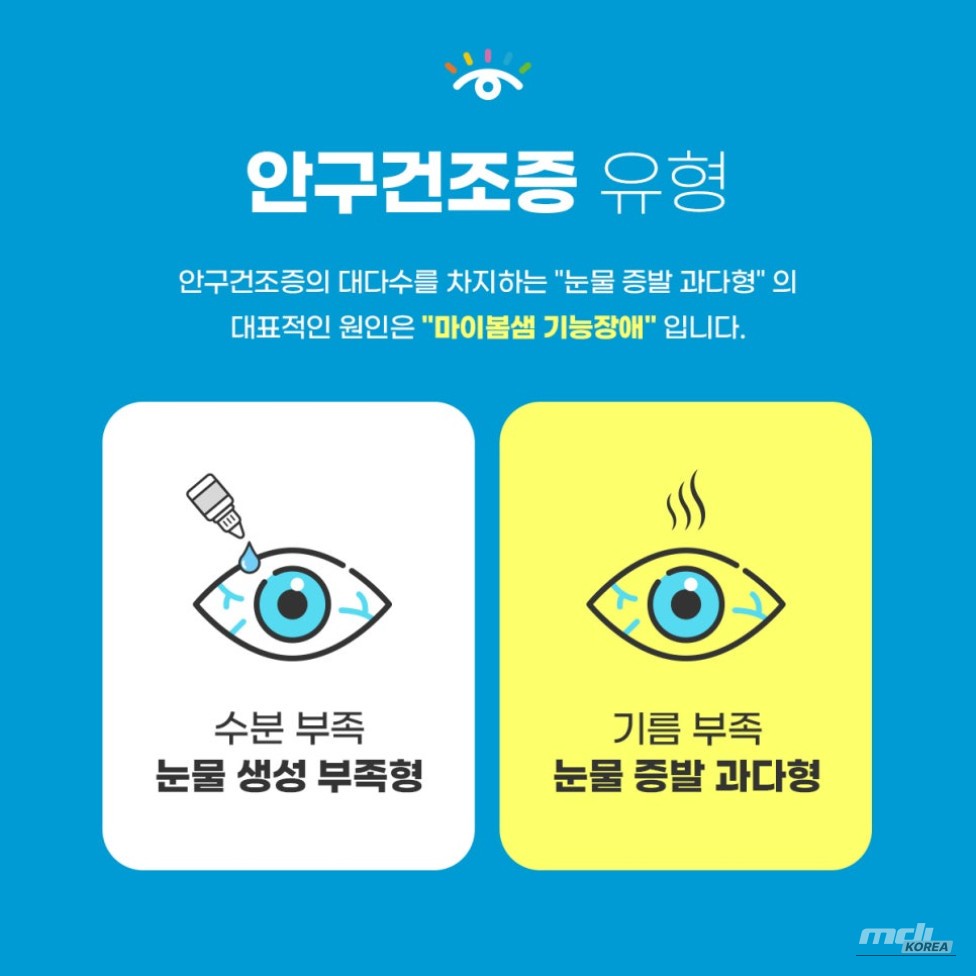
There are two main types of dry eye syndrome:
"Aqueous Deficiency Dry Eye" due to lack of moisture and
"Evaporative Dry Eye" due to lack of oil.
"Evaporative Dry Eye," which accounts for the majority of dry eye cases,
is primarily caused by
"Meibomian Gland Dysfunction (MGD)."
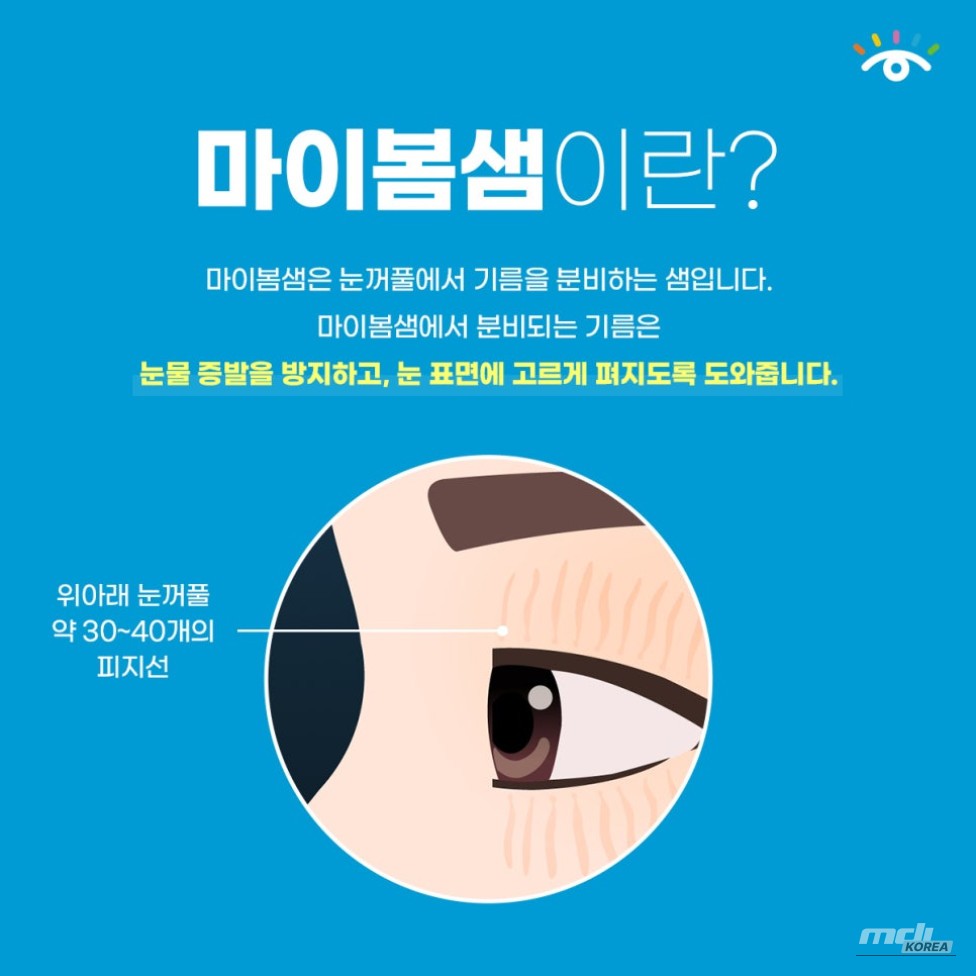
So, what are Meibomian glands?
They are 'glands that secrete oil from the eyelids,'
discovered by the German anatomist Heinrich Meibom.
These Meibomian glands are about 30-40 sebaceous glands
located on the edges of the upper and lower eyelids.
The oil secreted by the Meibomian glands
prevents tears from evaporating
and helps them spread evenly across the eye surface.
If this oil layer is insufficient, tears evaporate easily,
leading to dry eye syndrome.
When these glands become blocked, oil is not
secreted properly, which can cause eyelid inflammation or
styes.
Commonly known styes are
caused by infection or inflammation of the Meibomian glands
or other sebaceous glands.
While treatment is important,
preventing Meibomian gland dysfunction
and managing it is crucial
for preventing dry eye syndrome.
There can be various causes
of Meibomian gland dysfunction.
Let's explore the causes and preventive measures!
1. Age and Hormonal Changes
As we age, Meibomian glands gradually degenerate,
reducing oil secretion.
Especially in women,
hormonal changes after menopause can
decrease the function of sebaceous glands,
increasing the likelihood of
Meibomian gland dysfunction.
Warm temperatures soften the oil
and help it drain properly, so
applying a warm compress to the eyelids
can be helpful.
After the compress, gently massage the eyelids
to help with smooth drainage.
2. Prolonged Use of Digital Devices
Using computers, smartphones, TVs, etc.,
for extended periods
reduces the frequency of blinking.
This can prevent oil from being
released properly from the Meibomian glands,
leading to dysfunction.
Make a conscious effort to blink frequently
to encourage oil secretion
from the Meibomian glands.
3. Contact Lens Use
Wearing contact lenses for long periods
can change the tear layer on the eye surface
and affect the oil secretion
of the Meibomian glands.
Using daily disposable lenses or
lenses that prevent dry eye is also
a good option.
If not, thoroughly clean your lenses
and properly manage your lens solution.
If you feel a lack of tears while wearing lenses,
use lens-compatible artificial tears
to moisten your eyes.
Preservative-free artificial tears are
especially safe for your eyes and lenses.
4. Environmental Factors
Environmental factors such as dry air, wind, and dust
can easily evaporate tears
and interfere with the function of the Meibomian glands.
Avoid staying in overly dry environments,
and use humidifiers to maintain
adequate humidity levels.
5. Cosmetic Use
Cosmetics or makeup removal products
used around the eyes can block the Meibomian glands
and impair their function.
Eye makeup products,
especially those used close to the eyelids,
are more likely to block the sebaceous glands.
When applying eye makeup,
avoid the edges of the eyelids and cleanse thoroughly
to ensure no residue remains.
Modern people
are exposed to air pollution and
live in dry environments due to
low humidity and poor ventilation
in well-heated, enclosed offices.
Also, due to the use of various mobile devices or computers,
our eyes are constantly
reading and viewing something without rest.
These lifestyle patterns ultimately
lead to blockage of the Meibomian glands or
reduced oil secretion,
causing problems with the formation of the tear film's lipid layer
and, consequently, promoting the development of dry eye syndrome.
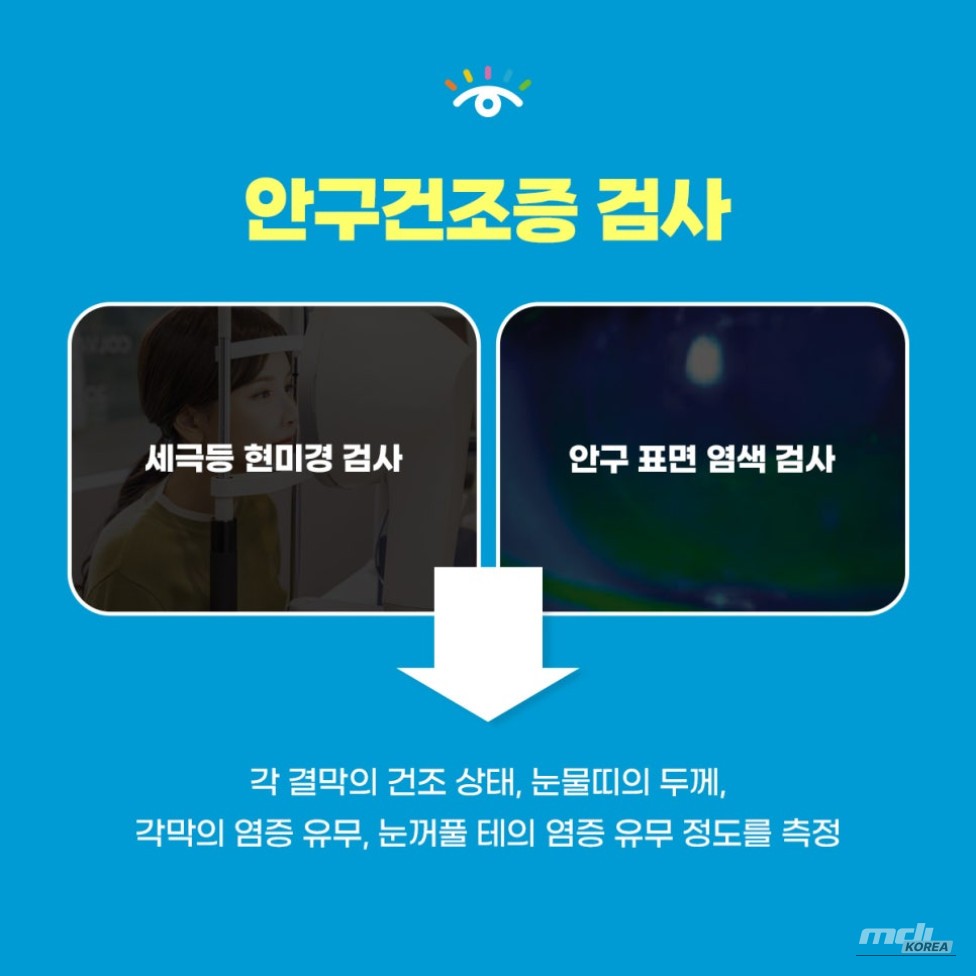
Dry eye syndrome is diagnosed through
slit-lamp microscopy and ocular surface staining
to measure the dryness of the conjunctiva,
tear meniscus height, presence of corneal inflammation,
and degree of inflammation of the eyelid margins.
Specific instruments and equipment can also be used to measure tear secretion,
Meibomian glands, tear film thickness and lipid content,
tear osmolarity, and inflammatory substances in tears.
At BGS Eye Clinic,
we offer various treatments for dry eye syndrome
caused by Meibomian gland dysfunction, such as
Dry Eye IPL laser treatment and punctal occlusion.
Since removing the cause of the blockage
of the Meibomian gland opening is important,
to the blood vessels around the eyelids,
facilitating the drainage of blocked oil glands
and helping to keep the eyes moist.
The advantages of laser treatment include
melting hardened oil in the Meibomian glands
to treat dry eye.
It also destroys abnormally dilated blood vessels,
improving circulation and
reducing the secretion of inflammatory substances.
AquaCell IPL laser is used, which is
a device that improves dry eye syndrome
caused by a lack of the corneal oil layer.
This device irradiates pulsed light
onto the skin around the cheekbones and temples,
and the resulting subtle temperature differences
help restore the function of impaired Meibomian glands,
thereby alleviating dry eye syndrome.
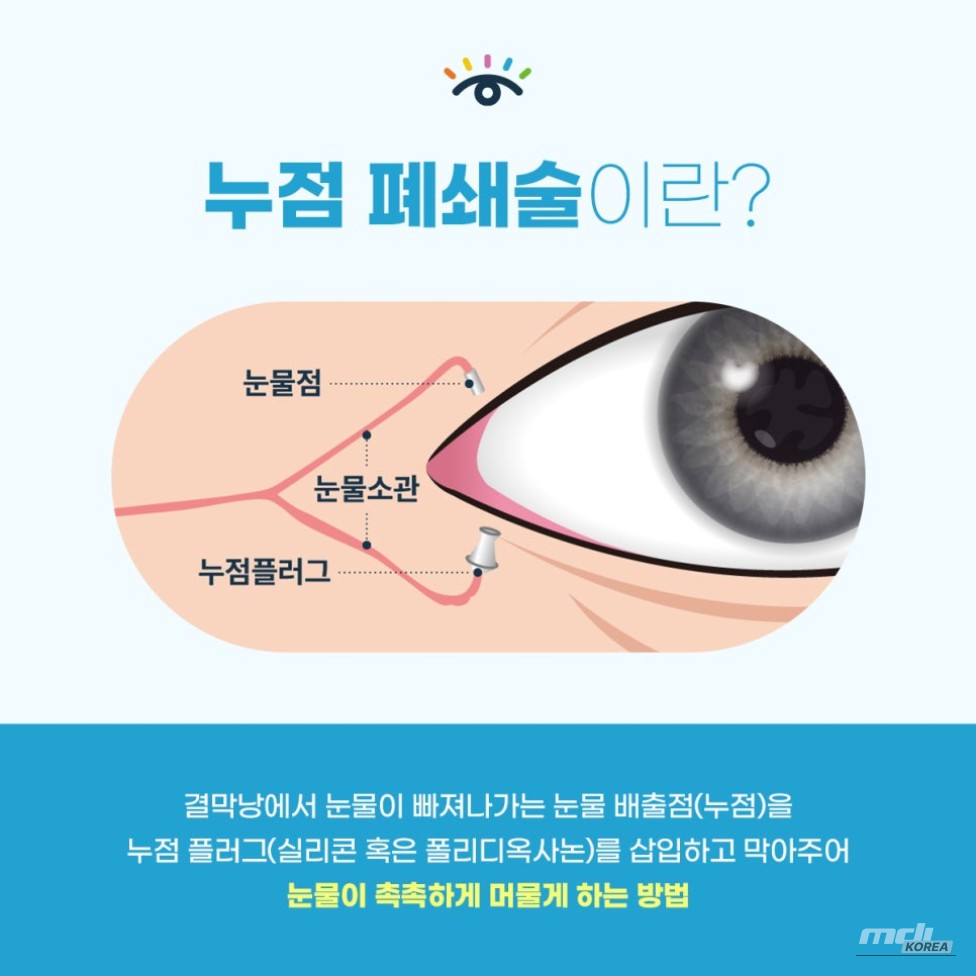
Punctal occlusion is
a procedure to alleviate dry eye syndrome
by blocking the tear drainage points (puncta)
through which tears drain from the conjunctival sac.
Punctal plugs (silicone or polydioxanone) are
inserted to keep tears
moist and retained.
Unlike conventional artificial tears,
there is no risk of exposure to preservatives,
and it more continuously increases
the amount of natural tears.
Depending on the material used, the duration of punctal occlusion
can be adjusted to 1 week, 6 months, or permanent occlusion
to suit the patient's eye condition.
At our BGS Eye Clinic,
we offer various dry eye treatments
in addition to vision correction surgery.
"Eyes"
As the most important organ in your body,
we hope you receive delicate
care and treatment for even the smallest concerns.
Furthermore, the medical staff at BGS Eye Clinic
prioritize the patient's eye health,
conducting 1:1 detailed examinations with optometrists
before surgery.
We operate on an appointment basis,
so please make an appointment before visiting
and feel free to contact us with any questions. :)











Source :https://blog.naver.com/oklasik3/223758889417
No comments yet.