Understanding and Managing Dry Eye Disease


Hello, this is Bright St. Mary Eye Clinic.
Recently, we've seen many cases of persistent dry eye, which can lead to chronic conjunctivitis, and blepharitis due to poor eyelid hygiene.
As a result, dry eye disease has become a very common eye condition, affecting people of all ages and genders.
Today, we'll briefly explore what dry eye disease is, why it occurs, and how to prevent it.
Dry eye disease, also known as "dry eyes," is a condition where the eyes don't produce enough tears or the tears evaporate too quickly, leading to dryness.
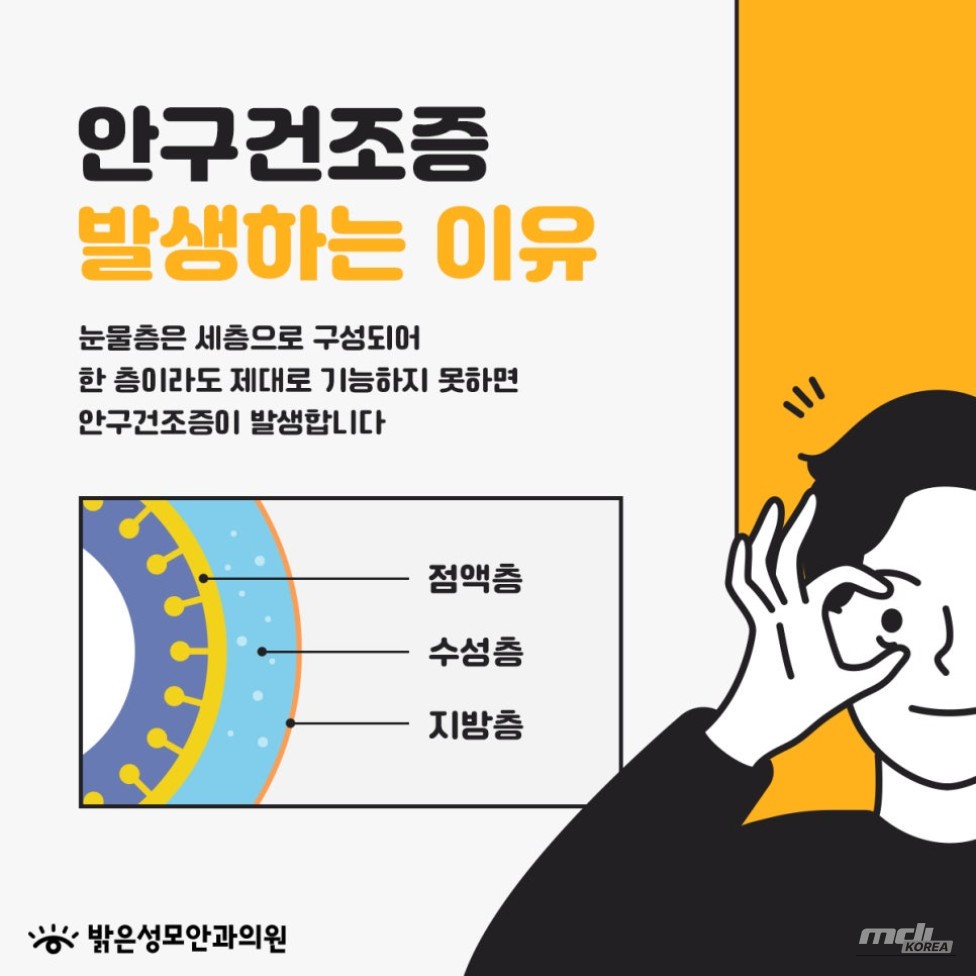
The tear film in our eyes is closely related to dry eye disease.
The tear film consists of three main layers, each playing a crucial role in maintaining eye health and lubrication:
Lipid Layer (Oil Layer):
Secreted by the meibomian glands, this outermost layer of the tear film prevents tear evaporation and maintains tear stability.
Damage to this layer can cause rapid tear evaporation, leading to evaporative dry eye.
Aqueous Layer (Water Layer):
Comprising the majority of the tear film, this layer is secreted by the lacrimal glands. It provides moisture and oxygen and washes away dust and debris from the eye surface.
A deficiency in this layer can result in aqueous-deficient dry eye.
Mucin Layer:
This innermost layer, secreted by cells on the eye's surface, helps the tear film spread evenly and adhere to the eye surface.
Abnormalities in this layer can prevent tears from spreading evenly, causing dryness.
If any of these three layers malfunction, dry eye disease can occur.
Therefore, maintaining the health of each component is crucial for preventing and managing dry eye.
Symptoms of dry eye disease vary but commonly include eye fatigue, foreign body sensation, burning, blurred vision, and sensitivity to light.
In severe cases, it can even cause a burning sensation or headaches.
These symptoms can disrupt daily life, so proactive management is necessary.
So, what are some prevention and management tips to keep these components healthy?
1. Preventing and Managing Lipid Layer Damage:
Warm Compresses: Stimulate the meibomian glands to promote oil secretion. Warm compresses help open blocked meibomian glands and maintain the tear film's oil layer.
Eyelid Massage: Gently massage the eyelids after applying a warm compress to help express the oil accumulated in the meibomian glands, promoting secretion. This process helps maintain a healthy lipid layer.
Using Artificial Tears with Lipid Components: If the lipid layer is damaged, tears evaporate easily due to oil deficiency. Use artificial tears containing lipid components to replenish the oil layer and reduce tear evaporation.
Consuming Omega-3 Fatty Acids: Eating foods rich in omega-3 fatty acids, such as salmon and mackerel, can help promote oil secretion from the meibomian glands.
2. Preventing and Managing Aqueous Layer Deficiency:
Adequate Hydration: Drinking enough water daily helps maintain sufficient body fluids, which in turn maintains the aqueous layer of tears and prevents dry eyes.
Humidity Control: Tears evaporate faster in dry environments, so maintain indoor humidity between 40-60% to help the tear film's water layer last longer.
Using Artificial Tears: Use aqueous artificial tears to keep your eyes moist if the aqueous layer is deficient. It is best to choose products that do not contain preservatives.
Sufficient Rest and Blinking: When using computers or smartphones for extended periods, consciously blink frequently or practice the 20-20-20 rule (every 20 minutes, look at an object 20 feet away for 20 seconds) to reduce eye fatigue and promote tear secretion.
Consuming Foods that Promote Tear Secretion: Consuming foods rich in vitamin A (carrots, sweet potatoes, spinach, etc.) helps the function of the lacrimal glands and maintains a healthy aqueous layer.
3. Preventing and Managing Mucin Layer Abnormalities:
Maintaining Eyelid Hygiene: Keeping the edges of the eyelids and the area around the eyelashes clean helps maintain healthy epithelial cells that aid the function of the mucin layer, allowing the mucin layer to be well distributed on the eye. Washing the eyelids frequently or using a dedicated cleanser can be helpful.
Vitamin A Intake: Vitamin A is important for maintaining the health of the epithelial cells that form the mucin layer. A deficiency in vitamin A can damage the mucin layer, so it is recommended to consume foods rich in vitamin A or take supplements if necessary.
Using Eye Humidifiers: When working or studying in dry environments for long periods, using eye humidifiers can help prevent damage to the mucin layer by maintaining moisture supply to the eyes.
Controlling Contact Lens Use: Contact lenses can put a strain on the eye's mucin layer. Adjust the wearing time of the lenses, and if you feel dryness, it is recommended to use artificial tears containing lipid components.
Overall Prevention and Management Tips!
Eyelid Hygiene Management: Since the lipid, aqueous, and mucin layers are all closely related to the health of the eyelids, maintaining eyelid hygiene is important. Managing the eyelids with clean hands and performing eyelid cleaning regularly can be helpful.
Regular Eye Exams: If problems occur in each layer of the tear film, dry eye can worsen, so it is best to get regular eye exams for early treatment and prevention.
Healthy Lifestyle Habits: Getting enough sleep and nutrients to keep your eyes healthy is essential for protecting all layers of the tear film.
As such, consistent management is important to prevent dry eye disease.
Next time, we will look into it in more detail.
Tests, treatments, surgeries, and the leading cause of dry eye disease, "Meibomian Glands"!
Bright St. Mary Eye Clinic will be with you to alleviate all of your dry eye symptoms.
Have a moist day with Bright St. Mary Eye Clinic today! :)
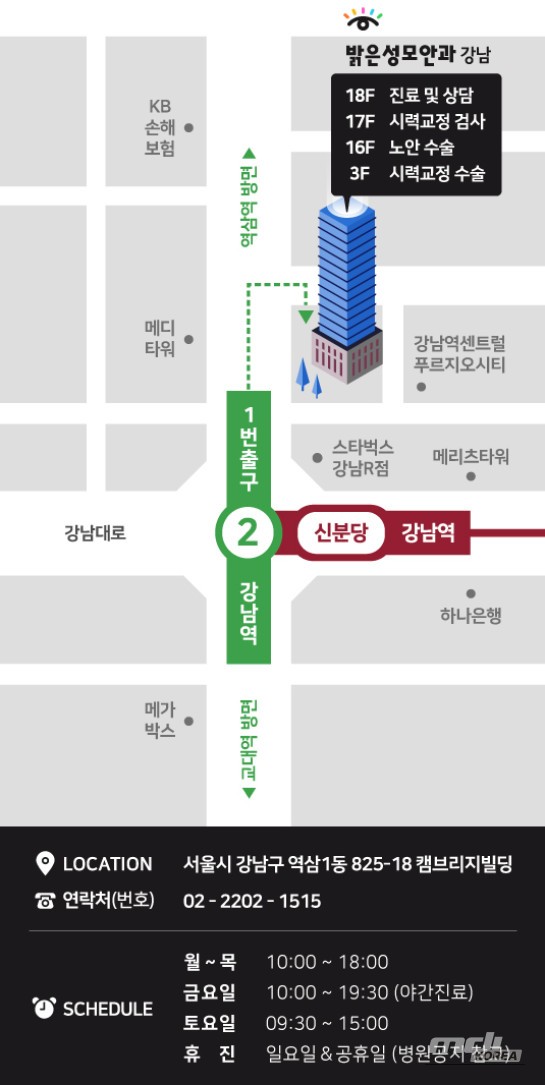
The medical staff at Bright St. Mary Eye Clinic prioritize the eye health of patients, so we conduct 1:1 precise examinations with optometrists before surgery.
Through this, we provide consultations on whether surgery is possible, post-operative corrected vision, and the most suitable surgical method for your eye condition.
We have various precision examinations and the latest surgical equipment, and our ophthalmologists also have extensive clinical experience, so you can expect stable results.
We operate on a reservation system, so please make a reservation comfortably before visiting and feel free to contact us with any questions. :)














Source :https://blog.naver.com/oklasik3/224026722447
No comments yet.