Streamlight LASIK: Prepare with Thorough Examination if Experiencing Vision Loss and Dizziness



While some individuals are born with poor eyesight, many are increasingly experiencing acquired vision loss and dizziness. This is largely attributed to the excessive use of electronic devices. While these devices offer convenience in daily life, they can significantly strain the eyes, leading to fatigue. It's crucial to be aware that once vision deteriorates, natural recovery is often difficult.
Declining vision can cause various inconveniences in daily life. If left uncorrected, eyesight can worsen rapidly, necessitating appropriate measures. While many rely on glasses or contact lenses, these corrective tools can also present daily inconveniences. Consequently, interest in vision correction surgery is growing.
Vision correction surgery reduces the discomfort associated with glasses and lenses. With proper ongoing care, it can maintain good vision for an extended period. Unlike in the past, advancements in medical technology have led to diverse surgical methods, offering viable options even for those previously deemed unsuitable for surgery. Streamlight LASIK is currently a highly regarded procedure.
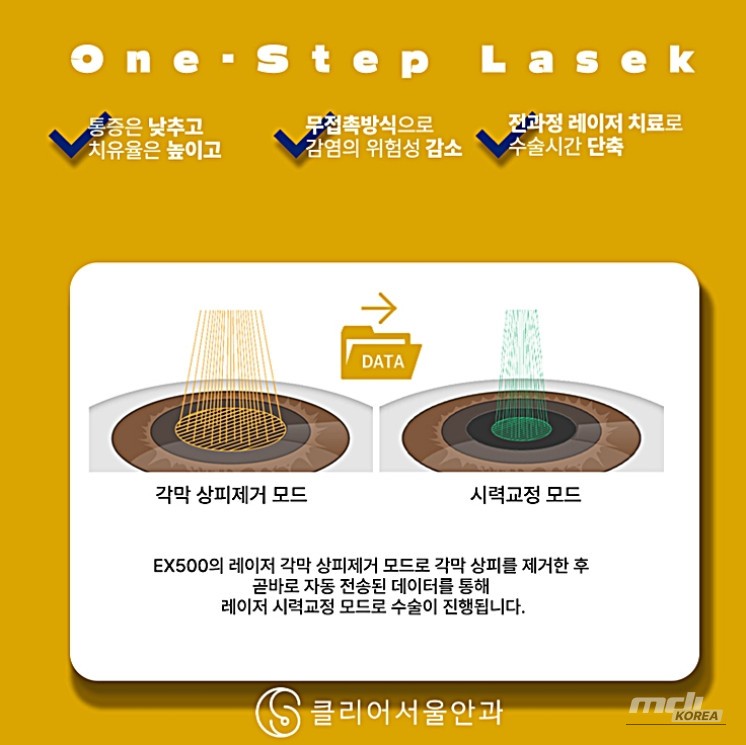
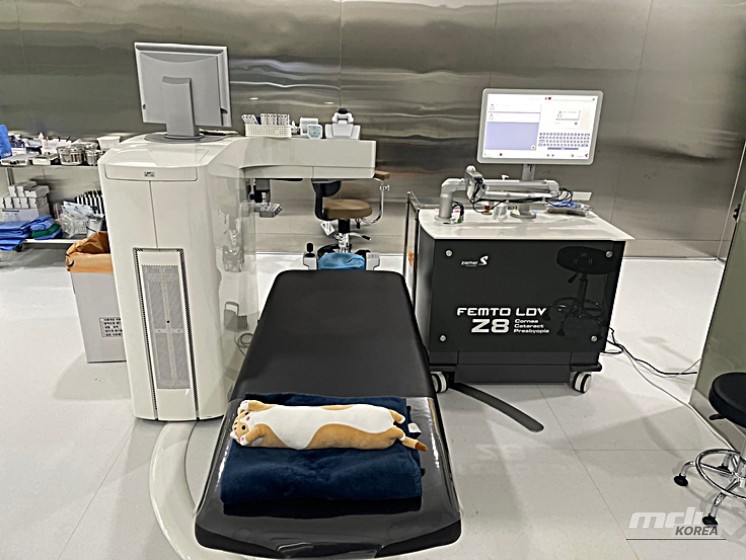
Streamlight surgery improves upon the drawbacks of traditional LASIK, while maintaining a similar surgical process. However, unlike methods involving alcohol or brushes, Streamlight utilizes lasers for the entire procedure. This reduces concerns about potential side effects or complications after surgery.
Streamlight surgery corrects refractive errors by removing the corneal epithelium with an excimer laser and simultaneously applying the laser. By streamlining the two-step process into a one-step surgery, the procedure time is shortened. This minimizes concerns about side effects like dry eye or corneal opacity and reduces psychological anxiety. The non-contact nature of the laser also lowers the risk of infection, further shortening recovery time and enhancing overall satisfaction with the surgery.
Due to reduced pain and recovery time compared to traditional surgeries, many are preparing for Streamlight LASIK. While it offers a wide correction range, it's not suitable for everyone. Surgery may be challenging for those with corneal diseases, individuals under 20, or those with thin corneas that make even minor epithelial incisions difficult. In these cases, procedures like intraocular lens implantation (IOL) may be more appropriate. IOLs correct vision by inserting a special lens into the eye without removing corneal tissue, offering a good alternative for those unsuitable for other vision correction surgeries.
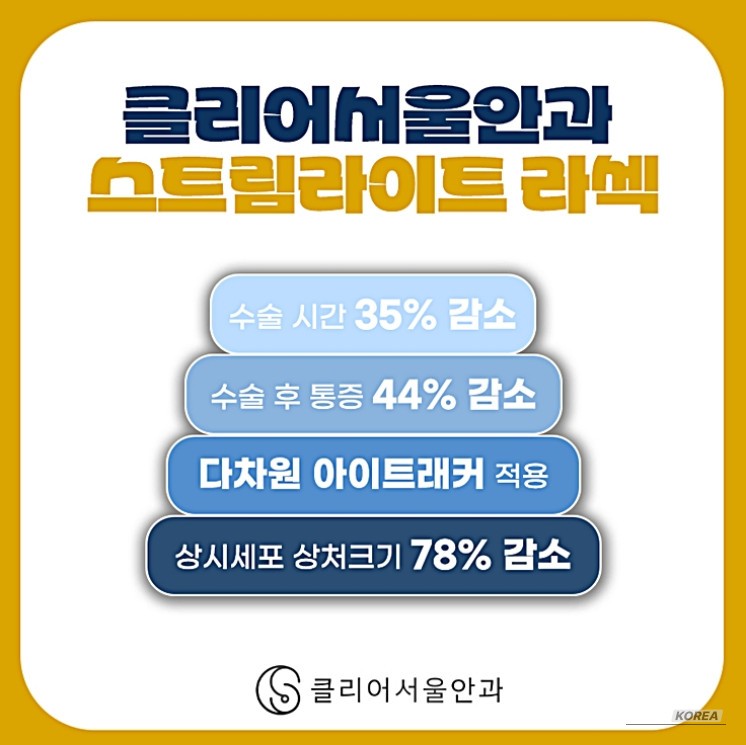
Preparing for Streamlight LASIK also involves understanding the procedure itself. It utilizes an excimer laser, which minimizes unnecessary incisions and ensures consistent, uniform ablation. This reduces the surface area of the corneal epithelial wound compared to traditional methods. By reducing the size of the wound where pain receptors are located, post-operative pain is naturally reduced, shortening the pain period from five days or more to approximately one to two days. With sufficient rest for about two days, vision recovers to a degree that allows for a quick return to daily life.
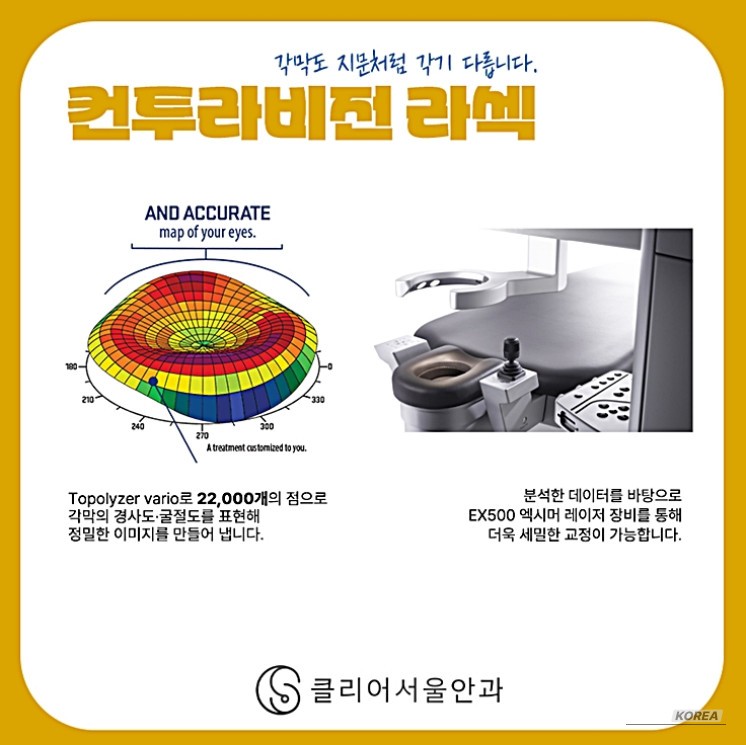
The smooth flow of the excimer laser allows for more refined and even ablation, improving the quality of vision. Additionally, real-time monitoring of corneal thickness during ablation ensures stable outcomes, even for those with thin corneas or high myopia, by securing sufficient residual corneal thickness. Excessive corneal ablation can lead to corneal weakness and protrusion, but Streamlight helps prevent these issues, increasing the safety of the surgery. The surgery also compensates for eye rotation during the procedure by tracking the eye and adjusting the laser accordingly. This reduces errors, minimizes unnecessary stimulation and damage, and promotes stable vision recovery.
Streamlight surgery has garnered attention for its minimal pain and rapid recovery. However, proper post-operative care is essential. Even with a quick recovery, the eyes can be sensitive to even minor stimuli. It's important to minimize strain on the eyes during the recovery period by limiting the use of electronic devices. Wearing protective eye shields during sleep is recommended to prevent unconscious rubbing of the eyes, and eye drops should be administered as prescribed to prevent inflammation. Avoid getting water in the eyes for about three days, and light walks can be resumed after about a week. Strenuous activities like gym workouts or swimming should be avoided for about three weeks to a month, depending on the recovery progress. It's also advisable to avoid places with a high risk of infection, such as bathhouses and saunas, and to abstain from alcohol and smoking for about a month, as these can significantly hinder eye recovery.
Vision loss is often irreversible without intervention. Delaying correction can worsen the situation, making prompt action necessary. Vision plays a crucial role in our daily lives. If you've neglected your eye health, start paying attention today and take steps to prevent vision loss.




















Source :https://blog.naver.com/whgus4231/224026887573
No comments yet.