SMILE LASIK Recovery Time: Influenced by Eye Clinic Equipment and Surgical Method



Recently, vision correction technology has steadily advanced, offering various surgical options such as LASIK, LASEK, and even intraocular lens implantation. Among these methods, SMILE LASIK has garnered significant attention as a way to reduce the discomfort associated with traditional cutting methods. This surgery differs from LASIK, which involves creating a flap, and LASEK, which removes the epithelium. SMILE LASIK minimizes the area of corneal disruption, resulting in a faster recovery time and significantly less pain. In fact, many patients can resume their daily activities the day after surgery, making it a preferred option for those with busy schedules who cannot afford a long recovery period.
However, not everyone is a suitable candidate for SMILE LASIK. If there are structural issues or diseases within the cornea, or if the cornea is too thin to withstand cutting, other vision correction procedures may be more appropriate. In such cases, intraocular lens implantation, which involves inserting a lens without cutting the cornea, can be a safer alternative. This method is often recommended for individuals with high myopia or insufficient corneal thickness. Intraocular lens implantation does not significantly alter the shape of the cornea, making it a safer option for those concerned about potential side effects.
In SMILE LASIK surgery, ophthalmologists use a femtosecond laser to precisely create a thin, round piece of corneal tissue called a lenticule within the cornea. This lenticule is then removed through a small incision of approximately 2mm. The small incision size contributes to a shorter recovery period and minimal pain. Many patients experience gradual vision improvement immediately after surgery, with vision stabilizing enough to resume normal activities the next day. Compared to traditional LASIK, SMILE LASIK involves significantly less corneal cutting, reducing the likelihood of side effects such as dry eye. This makes it a more appealing option for individuals with sensitive eyes.
The minimal corneal nerve damage associated with SMILE LASIK is another reason why many people prefer this procedure. The corneal nerves are densely distributed, and while larger incisions can prolong nerve recovery, the small incision in SMILE LASIK helps maintain structural stability. However, many patients prioritize cost. The actual cost varies depending on the type of laser equipment used, the surgeon's experience, the clinic environment, and the individual patient's eye condition and complexity. Femtosecond laser equipment is highly precise, which is reflected in its cost, often making SMILE LASIK slightly more expensive than traditional LASIK or LASEK.
Therefore, it is not advisable to make a decision based solely on price. It is crucial to consider factors such as the degree of corneal preservation, the stability of post-operative vision, and the likelihood of side effects. SMILE LASIK is often considered a good value due to its long-term structural stability resulting from the absence of a flap. Ultimately, selecting a surgery requires a comprehensive evaluation of the equipment generation, the surgeon's experience, and the availability of systematic aftercare to maximize the chances of long-term vision stability. The typical cost of SMILE LASIK ranges from approximately 2 to 3 million Korean won.
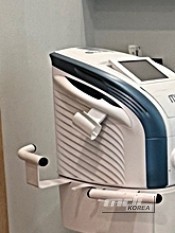
The VisuMax 500 equipment used in the surgery utilizes a 500kHz repetition pulse system, enabling precise corneal manipulation with extremely short laser pulses. The short pulse duration minimizes unnecessary heat transfer to surrounding tissues, reduces impact, and minimizes errors during incision and lenticule creation. This equipment also employs a curved lens contact method that conforms to the corneal shape, reducing eye pressure compared to traditional flat methods and facilitating a more natural surgical process. This approach helps alleviate discomfort by reducing intraocular pressure during surgery.
Furthermore, by avoiding excessive laser energy, the corneal fiber structure remains intact, and the incision surface is smooth, enhancing vision quality. Using minimal energy also reduces the formation of gas bubbles during surgery, minimizing blurred vision or foreign body sensations and lowering the risk of inflammation or swelling. This leads to faster corneal transparency recovery and a more predictable recovery process. While light activity is possible the day after surgery, it is advisable to rest and avoid eye strain for at least a week. Reduce electronic device usage, avoid getting water or dust in the eyes, and protect against UV exposure. It is essential to use prescribed eye drops as directed and avoid rubbing the eyes. Wearing protective eyewear can also be beneficial.
Many people neglect post-operative care once their vision is restored, but the cornea can continue to change even after surgery, making regular check-ups essential. Symptoms such as dry eye or glare may occur, necessitating periodic monitoring and treatment. The first year after surgery is particularly crucial for frequent check-ups due to significant changes. Subsequent annual check-ups are highly beneficial for long-term vision maintenance. The primary goal of vision correction surgery is not just temporary vision improvement but also ensuring long-lasting, healthy vision. Therefore, consistent care and regular check-ups are paramount. Maintaining healthy vision requires more attention to post-operative care than the surgery itself. We hope you continue to monitor your eye health and enjoy a comfortable and clear vision.























Source :https://blog.naver.com/whgus4231/224083215508
No comments yet.