SMILE LASIK for Astigmatism: A Personalized Approach



SMILE LASIK for Astigmatism: Finding the Right Procedure for You
Q. How do I choose a SMILE LASIK clinic?
It's important to check for the latest equipment, experienced medical staff, and a systematic aftercare program.
Q. What eye diseases affect the retina?
Diabetic retinopathy, macular degeneration, and retinal detachment are some examples.
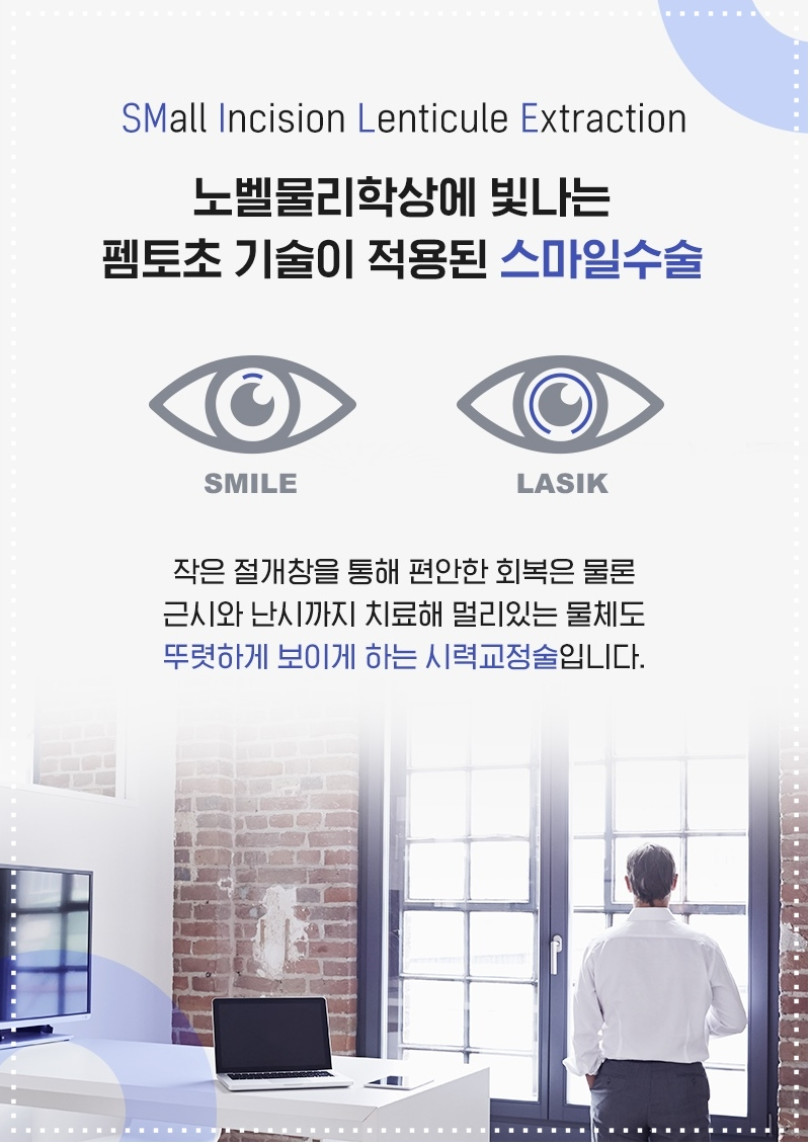
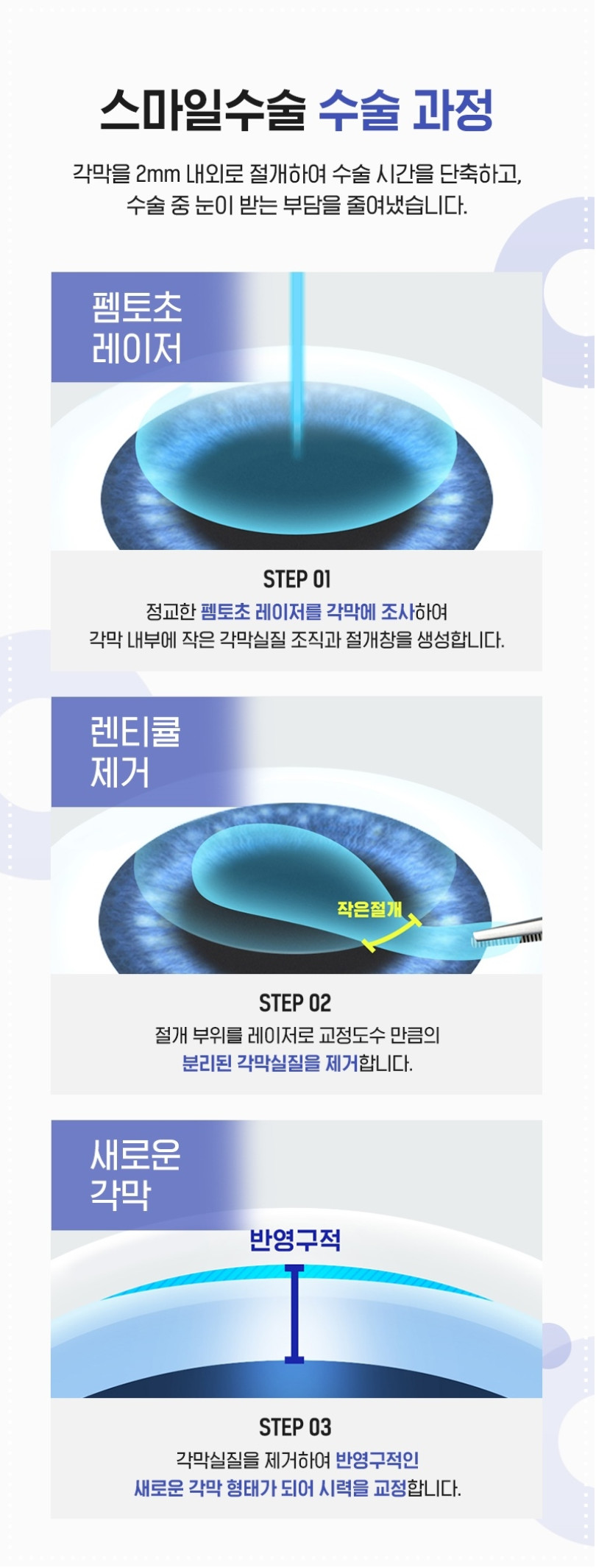
These days, many people looking into vision correction surgery are interested in methods that reduce the incision size. SMILE surgery works by creating a thin lenticule inside the cornea without removing a large area of the corneal surface, and then extracting it through a small opening to change the refractive power.
When astigmatism is present, accurately aligning the axis is key. The success of a SMILE LASIK for astigmatism plan depends on how well it ensures this stability. To determine if this surgery is right for you, you shouldn't just look at the refractive error. You need to check corneal thickness and curvature, posterior asymmetry, nighttime pupil size, and the predicted residual stromal bed thickness numerically.
If there are signs of keratoconus or if the cornea is too thin, other methods should be considered. Your occupation and lighting conditions are also important. If you drive a lot at night, you should ensure a sufficient optical zone to reduce contrast sensitivity. If your occupation involves looking at a screen for long periods, you should first check your tear film stability.
For SMILE LASIK for astigmatism, the accuracy of axis alignment and rotational compensation is particularly crucial, especially in cases of high astigmatism. The examination phase focuses on improving consistency through repeated measurements. Corneal topography and tomographic images are used to assess anterior and posterior irregularities, and the condition of the retina and optic nerve, intraocular pressure, pupil size, and tear film indices are also recorded.
If you have a history of wearing hard contact lenses, you should allow a sufficient discontinuation period to stabilize the corneal shape before re-measuring. The surgical plan should provide numerical data for cap thickness and diameter, incision location, predicted lenticule thickness, residual stromal bed thickness, and allowable rotational error.
The application criteria are also specified during this process. On the day of surgery, anesthetic eye drops are administered while you focus on a fixation light, and suction is used to fixate the eye. Once the laser creates the lenticule and cap, the boundaries are separated with a micro-instrument and extracted.
Although the procedure is short, the uniformity of the separation and axis alignment determine the results. Pain is generally mild, but individual experiences vary. After the procedure, antibacterial and anti-inflammatory eye drops, as well as artificial tears, are used for a certain period. With SMILE LASIK for astigmatism, it is common to experience slight blurring of focus for the first day or two, which gradually stabilizes.
The more specific the precautions during the recovery period, the fewer mistakes you'll make. Avoid rubbing your eyes and prevent water from directly hitting your eyes when showering. Limit screen use and take frequent breaks if the indoor environment is very dry. During scheduled follow-up visits, visual acuity, contrast sensitivity, and residual astigmatism are checked numerically, and glasses for minor astigmatism correction may be temporarily prescribed if necessary.
If you experience halos at night, observe the progress while developing habits to reduce glare in moderately lit indoor environments. It's important to check axis stability during the initial one to two weeks, as it can be easily affected. Potential side effects and limitations should also be clearly addressed. People with unstable tear films may frequently complain of dryness, and halos and glare may appear temporarily.
In rare cases, overcorrection, undercorrection, or residual astigmatism may remain, requiring additional correction. Corneal haze is rare but can occur, requiring eye drops and regular check-ups. In high myopia, if the residual stromal bed thickness is insufficient, the target should be set conservatively. Eyes with high astigmatism are more prone to large residual amounts if the axis is slightly off, so it's important to first determine if the eye has a tendency for significant rotation.
Check if devices that suppress or compensate for cyclotorsion (eye rotation when lying down) are effective, and reduce errors by aligning the reference points with markers. If appropriate, it is safer to set the target refractive error, optical zone, and allowable error range according to your lifestyle. The actual perceived satisfaction depends on your living environment.
People who drive frequently at night, those who need to distinguish subtle contrasts in their profession, and those who face prolonged exposure to lighting for filming may have different levels of satisfaction even with the same refractive error. Therefore, it is advantageous to ask about actual working illuminance, screen distance, and exposure time to dry air-conditioned environments during pre-operative consultations and to present a plan tailored to these factors. For SMILE LASIK for astigmatism to work meaningfully, the balance of axis stability, pupil size, and optical zone must be right.
Managing the history of contact lens wear is also important. You should stop wearing soft lenses for a few days and hard lenses for several weeks or more to ensure that the corneal shape has returned to normal before finalizing the plan. If you frequently experience allergic conjunctivitis, you should adjust the timing considering seasonal factors and eye drop compliance. People who work long hours in dry office environments should maintain sufficient initial eye drop frequency to protect the tear film.
By setting goals that reflect such lifestyle data, the gap between the plan and reality can be reduced. A process of aligning expectations with reality is necessary. By considering the eye's anatomical measurements, living illuminance, frequency of night driving, screen distance, and resting habits together when determining the target refractive error and optical zone, you will be less affected by unexpected variables. Even if small residual astigmatism is temporarily corrected with glasses in the initial stages, it will not be detrimental to long-term satisfaction.
In some cases, it is better to postpone the surgery. If you are experiencing significant hormonal changes, such as during pregnancy or breastfeeding, if you have recently had rapid changes in refractive error, or if you have severe active allergic conjunctivitis, you should schedule the procedure after you have stabilized sufficiently. If you are undergoing treatment for a systemic autoimmune disease, you should first check your medication status in consultation with the relevant department.
The rigor of the suitability assessment, the stability of axis alignment, residual stromal bed thickness, and tear film condition were major factors in the outcome. I hope you will not only look at the advantages but also consider the limitations together and set a target range that suits your priorities. The term SMILE LASIK for astigmatism may be unfamiliar, but it refers to a plan designed to treat both myopia and astigmatism with the small-incision SMILE procedure.



Source :https://blog.naver.com/koikoro/224043078998
No comments yet.