Restoring Vision: Understanding Presbyopia LASIK Surgery Costs and Options



To restore visual function, it's important to understand presbyopia and its potential treatments.
It's safe to say that significant aging begins after the age of 40. Aging is a natural process that occurs over time and is unavoidable.
Aging causes changes in appearance and problems in various parts of the body. Therefore, it's important to make consistent efforts to maintain your health and to manage any issues to prevent them from becoming major problems.
Early detection allows for more stable treatment and a more positive prognosis. Addressing issues before they worsen can help maintain health without significant side effects. Eyes, in particular, require attention due to their frequent use and high level of fatigue.
Many people in middle age experience vision decline or presbyopia. As the muscles that control the lens weaken, they can't quickly adjust the lens thickness, leading to focusing problems.
Due to muscle weakness, the lens cannot maintain a thick shape, resulting in difficulty seeing near objects. This condition is diagnosed as presbyopia.
When presbyopia occurs, near objects become blurry, potentially requiring reading glasses. At this point, people often inquire about the cost of presbyopia LASIK surgery and seek necessary treatment. This is because examinations for correction may reveal other underlying conditions.
If the lens becomes cloudy, the risk of optic nerve damage increases. If lens clouding occurs, it's important to consult an experienced professional for examination. Early intervention may allow for management with medication, avoiding the need for presbyopia LASIK surgery.
However, medication only slows the progression, eventually requiring lens replacement with an artificial lens. Untreated, severe damage can lead to blindness. Dismissing it as simple presbyopia carries the risk of significant damage. Therefore, it's crucial to differentiate between presbyopia and other conditions and seek prompt examination and treatment.
When researching presbyopia LASIK surgery costs, choosing a facility with a proven track record is advisable, as stable treatment leads to faster recovery. If cataracts are present, symptoms such as seeing multiple images or blurred vision may occur, especially in bright light.
If your vision feels less clear than before, it's important to undergo a thorough examination rather than simply attributing it to presbyopia before inquiring about presbyopia LASIK surgery costs.
This approach helps prevent further deterioration and maintain eye health. Presbyopia and cataracts often occur around the same time. In such cases, correcting both at once using an all-in-one laser may be the ideal solution.
This procedure can correct various issues like hyperopia, myopia, and astigmatism, restoring clearer vision. The treatment involves making a corneal incision with a laser and inserting a special artificial lens, allowing for rapid recovery and restored normal vision without significant damage.
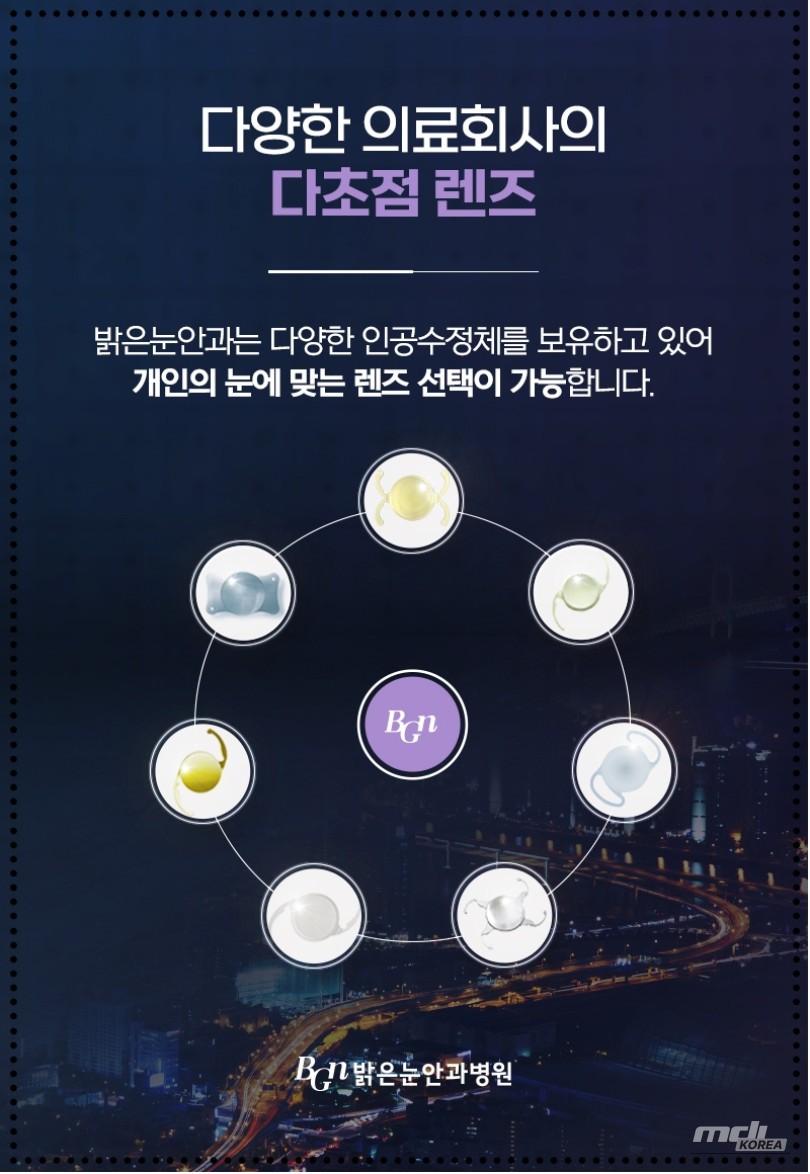
The cost of presbyopia LASIK surgery ranges from 2 million to 5 million KRW. The significant cost variation depends on factors such as the surgeon's expertise and the location of the medical facility. The type of materials used also affects the price, with monofocal lenses generally being less expensive than multifocal lenses.
Multifocal lenses allow focusing at all distances, enabling comfortable activities and a wider field of vision.
Due to these features, multifocal lenses are often better suited for active individuals or those who enjoy sports. It's generally advisable to delay surgery as long as possible, as it's typically a once-in-a-lifetime procedure. Therefore, delaying treatment until necessary is recommended.
Since this procedure can only be performed once, it's important to choose the method that best suits your needs to avoid regrets. Reviewing the features and functions of different lenses and selecting the right one can lead to positive outcomes.
For stable results, it's beneficial to use equipment that can produce comprehensive examination results. Since individual differences exist, these factors should be considered to minimize variables and ensure stable treatment. For more reliable outcomes, consider various factors beyond just the cost.
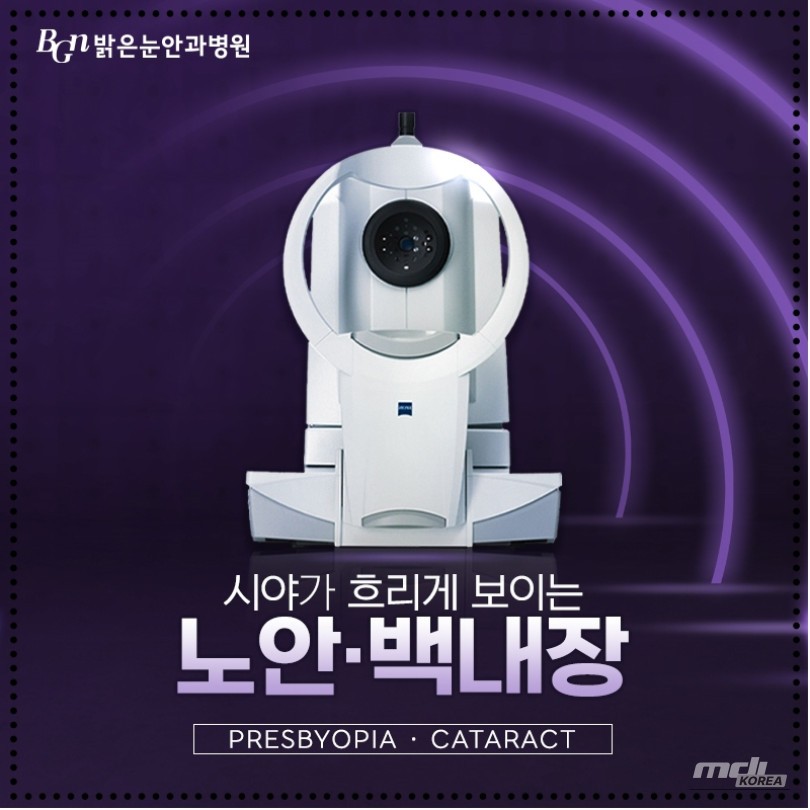
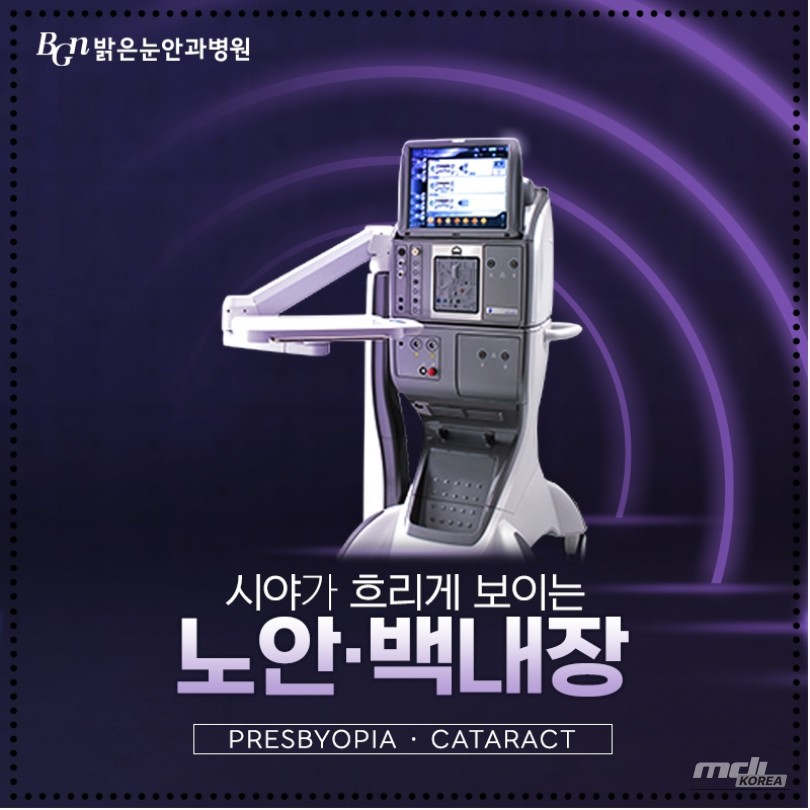
To that end, inquire about the examination equipment used, the support offered during recovery, and whether the treatment plan can be tailored to your specific eye condition. By carefully examining and understanding these conditions beforehand, you can ensure a more stable treatment environment.





Source :https://blog.naver.com/koikoro/223999982020
No comments yet.