Reducing Side Effects After Cataract Surgery: A Comprehensive Guide



To minimize potential side effects after cataract surgery, consider the following information.
Q. Why should I see an ophthalmologist if I experience double vision in one eye?
Double vision in one eye can indicate issues within the eye's structures, such as the cornea, lens, or retina, or it could be related to refractive errors. Consulting an ophthalmologist is crucial to identify the precise cause and determine the appropriate treatment plan.
Q. What is the recommended frequency for eye exams to prevent cataracts?
Even without noticeable symptoms, it's advisable to have regular eye exams. Individuals around 40 years old should undergo check-ups every 1-2 years, while those over 60 should have annual examinations.
Blurred vision for close-up tasks due to presbyopia and hazy vision from cataracts can disrupt daily life. While both can occur simultaneously, they are distinct. Presbyopia involves the hardening of the eye's lens, making focus adjustments difficult. Cataracts, on the other hand, involve the clouding of the lens, blurring object boundaries and contrast. Understanding this difference can help you make informed decisions.
Cataract surgery reviews often describe these differences in everyday language, providing helpful insights. When deciding if surgery is necessary, consider both daily discomfort and examination results.
Note any increased glare from sunlight or nighttime lights, persistent blurriness despite updated glasses, or frequent blurring of boundaries in low-contrast environments. During examinations, your ophthalmologist will assess visual acuity, refractive state, corneal curvature, pupils, intraocular pressure, and retinal health. It's important to consider your lifestyle and visual demands alongside these measurements.
The basic surgical procedure involves gently removing the clouded lens and replacing it with a clear artificial lens. The process begins with topical anesthesia and involves a small incision. The lens's position is carefully checked for stability. While pain perception varies, most patients find it manageable.
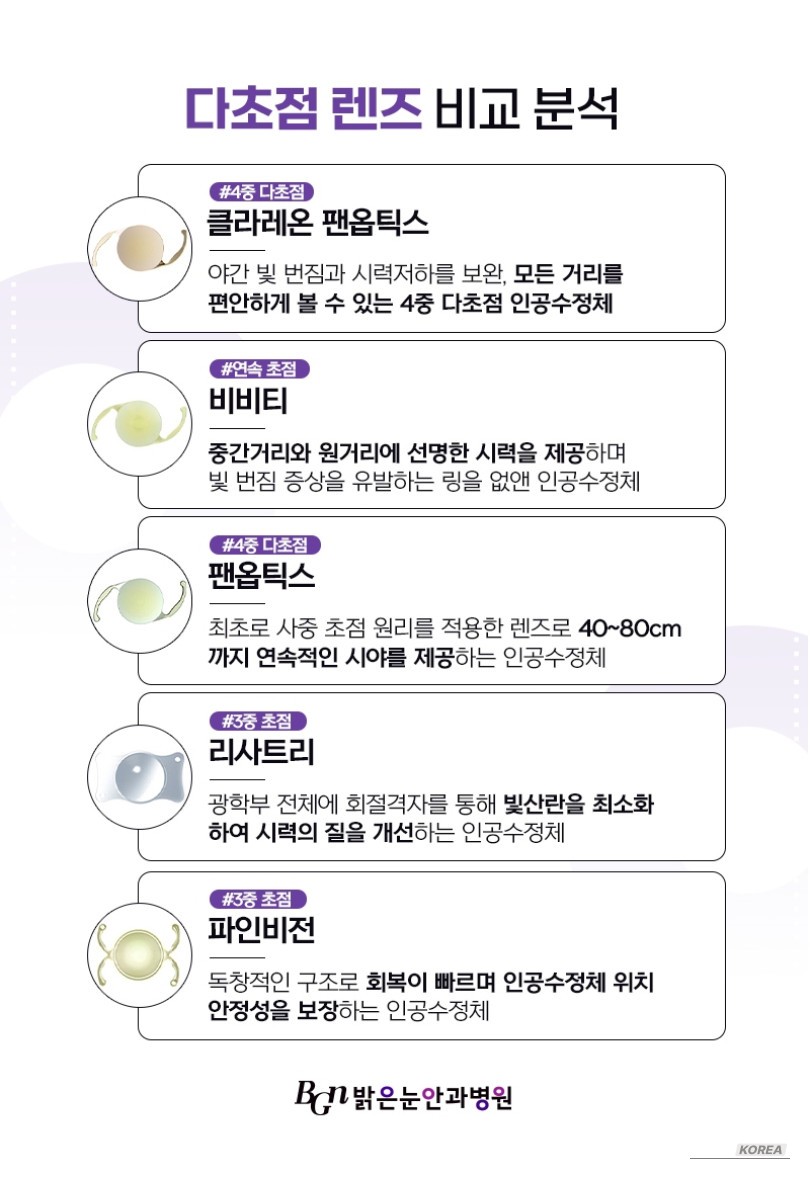
Cataract surgery reviews frequently highlight that adhering to preparation guidelines and recovery protocols minimizes initial discomfort. Artificial lenses offer various focus designs, including those optimized for a single distance and those providing a broader range of focus.
Prioritize your lifestyle factors, such as frequency of night driving, near-work duration, screen exposure habits, and outdoor activity levels, to simplify lens selection. If you frequently engage in near-distance tasks, consider a lens designed for near vision. If you prioritize distance vision, discuss a lens that favors far distances.
Cataract surgery reviews often reiterate that satisfaction depends on aligning the lens choice with your lifestyle. Key to early recovery is minimizing irritation and maintaining cleanliness. Avoid rubbing your eyes, directing strong water streams during washing, and reduce screen brightness while taking frequent breaks.
If the indoor environment is dry, use humidifiers and artificial tears for comfort. Wear wide-brimmed hats or sunglasses in bright sunlight. Delay strenuous exercise and swimming until fully recovered. Adhering to scheduled follow-up appointments helps catch subtle changes.
Understanding the relationship between presbyopia and cataracts clarifies your goals. Cataract surgery involves replacing the clouded lens, allowing you to prioritize near or distance vision, or strike a balance between the two.
Choosing a lens that assists with multiple distances may result in nighttime glare, while a single-distance lens may require corrective eyewear for other distances. Prioritizing the distances you use most often leads to practical decisions. Real-life examples can be very helpful in understanding these trade-offs.
Focus on safety over results when it comes to preparation and scheduling. If you have a history of prolonged contact lens wear, your doctor might recommend discontinuing use for a period to stabilize the corneal surface. Stabilizing blood pressure or blood sugar levels before surgery will promote better healing. Sharing information about medications and systemic diseases helps minimize unexpected complications. Diligent preparation increases the predictability of the entire process.
Be aware of potential discomfort. Immediately after surgery, you may experience temporary blurriness and dryness, and light sources may appear scattered at night. These symptoms often subside over time. However, seek immediate medical attention for severe pain, sudden vision loss, or persistent, severe redness.
In rare cases, artificial lens repositioning or prescription changes may be necessary, so it's important to keep scheduled check-ups. Cataract surgery reviews often mention a strategy of addressing one eye first and, after a period of stabilization, considering the other eye.
Costs, schedules, and specific options can vary depending on the time and circumstances. Instead of focusing solely on a single price, consider the scope of the examination, pre- and post-operative care, and the availability of support channels to understand the true differences.
The speed of returning to daily activities also varies significantly. Avoid overexertion and adjust your activities based on your eye's response. A gradual observation of changes, rather than expecting specific outcomes, promotes safety. Finally, set realistic expectations. Improved clarity may be gradual, and your perception may vary depending on brightness and contrast.
If you spend long periods reading or using screens, schedule regular breaks. If you are frequently active at night, initially adjust the lighting to be soft. Clarifying whether you prioritize near or far vision will facilitate the consultation process. Even when referencing cataract surgery reviews, establish your own lifestyle-based criteria to guide your decisions.
Follow-up appointments typically involve initial stability checks, intermediate adjustments, and return-to-activity assessments. The purpose of each appointment is to assess lens position and clarity, intraocular pressure, and signs of inflammation, and to adjust management intensity based on your lifestyle. Even without noticeable discomfort, keeping scheduled appointments helps catch subtle changes.
On days when your eyes feel dry, improve comfort by softening indoor air circulation and increasing the distance between your eyes and screens. Even with a rapid recovery, avoid overexertion and note the perceived changes based on the difference between day and night lighting, which can facilitate the next consultation.





Source :https://blog.naver.com/koikoro/224001388579
No comments yet.