Presbyopia and Cataract Surgery: Understanding the Differences in Treatment and Management



Hello.
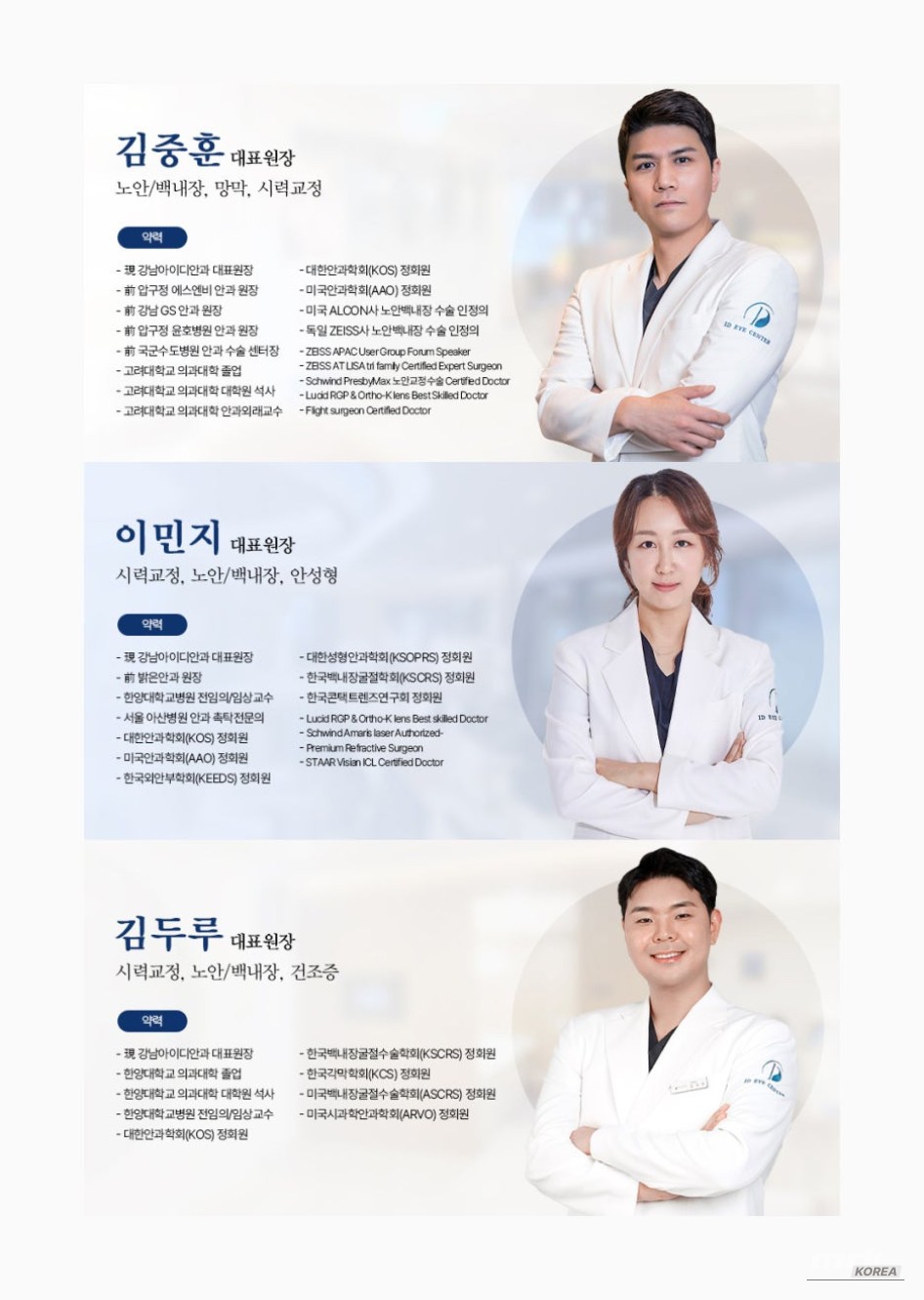
I'm Kim Joong-hoon, Head Director of Gangnam ID Eye Clinic.
In the past, you could read books and small print without any problems, and there were no issues in your daily life. However, as you age, you may experience blurred or double vision, or find that nearby objects appear blurry. This can lead to frustration with unclear vision, a common sign of presbyopia.
To address this, you might use glasses or magnifying glasses, which can provide temporary relief. However, they don't completely eliminate the underlying discomfort.
For those experiencing these inconveniences, I'd like to share solutions to restore clear vision and comfortable daily life. With the rise of an aging society, there's a noticeable increase in interest in presbyopia and cataract surgery.
Especially for those in their 50s and 60s, it's common to experience both presbyopia and the progression of cataracts. Since this can significantly impact quality of life, many are exploring presbyopia and cataract surgery as a vision correction option that goes beyond simple opacity removal.
Today, we'll discuss the differences between presbyopia and cataracts, their treatment methods, and the types of intraocular lenses available. Please take five minutes to focus and read this article.
"What are the main characteristics and symptoms of presbyopia?"
Presbyopia is not a specific disease but rather a natural part of the aging process.
The lens inside the eye is flexible and elastic when young, allowing easy focus adjustment. However, with age, it gradually thickens and loses elasticity, making it difficult to shift focus.
You may find it takes longer to focus when switching from distant to near objects, or vice versa. Many people hold newspapers or phones at arm's length to see the text clearly, often squinting to read.
These changes aren't just inconvenient; they can cause eye fatigue, headaches, reduced work efficiency, and difficulty securing clear vision in dim environments or when reading small print, requiring special attention.
Presbyopia typically starts gradually around the age of 40. While magnifying glasses can help alleviate the discomfort, those seeking a more fundamental solution may consider presbyopia and cataract surgery to correct and improve their vision.
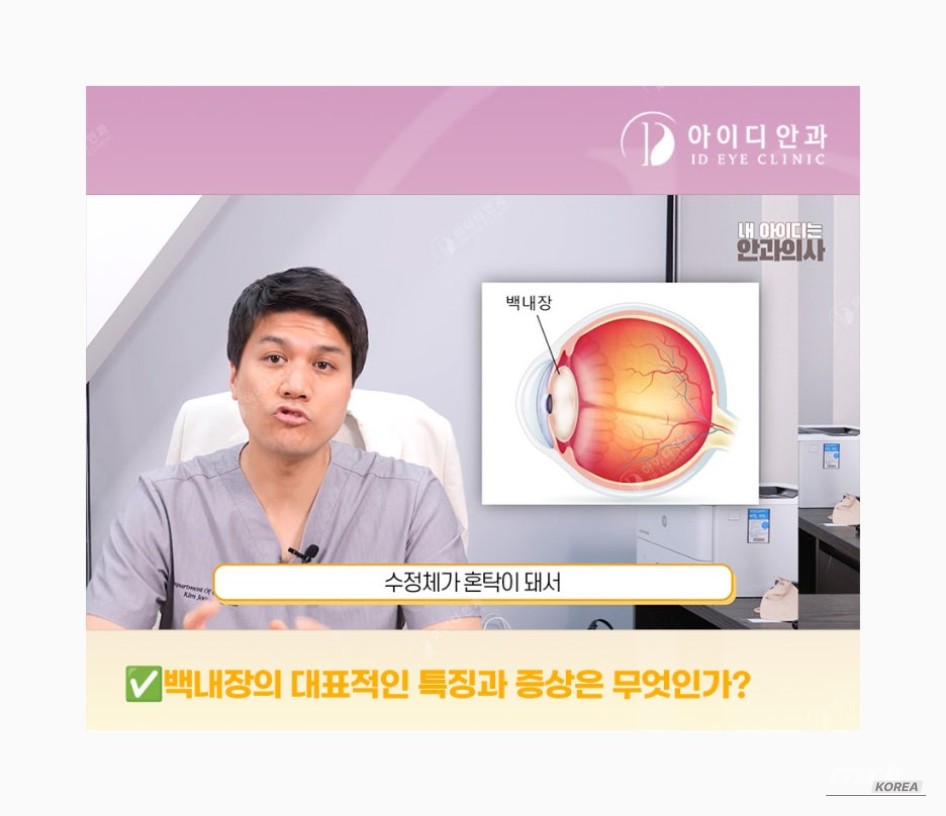
"What are the main characteristics and symptoms of cataracts?"
Cataracts are a condition where the lens inside the eye becomes cloudy, causing blurred vision.
While primarily caused by aging, cataracts can also result from trauma, diabetes, or steroid use.
In the early stages, cataracts share similar symptoms with presbyopia, such as glare and decreased night vision. However, as the condition worsens, it can lead to clouding of the eye, double vision, and other symptoms that make daily life difficult.
Cataracts can cause a rapid decline in vision, making early detection and appropriate action essential. With the widespread use of smartphones and computers, presbyopia can appear at a younger age in modern society, necessitating awareness.
If your vision suddenly becomes blurry or you experience increased glare, it could be an early sign of cataracts. It's advisable to have regular eye exams once a year, even if you don't have any symptoms.
Medications can slow the progression of cataracts, but they cannot restore transparency to a clouded lens. Ultimately, presbyopia and cataract surgery is the fundamental treatment.
"Presbyopia and Cataracts: How to Distinguish Them?"
The initial symptoms of presbyopia and cataracts are very similar, so many people dismiss them as simply presbyopia.
Both conditions can cause vision impairment, but presbyopia mainly affects near vision, while cataracts cause blurry vision at all distances.
If you experience vision loss followed by a temporary improvement, don't assume your vision is getting better. Instead, suspect cataracts and take appropriate action.
Although the causes differ, the initial symptoms can be confusing. Neglecting cataracts can lead to missed treatment opportunities and even blindness. Therefore, regular eye exams are crucial.
"Presbyopia and Cataract Surgery: Process and Tips for Choosing an Intraocular Lens?"
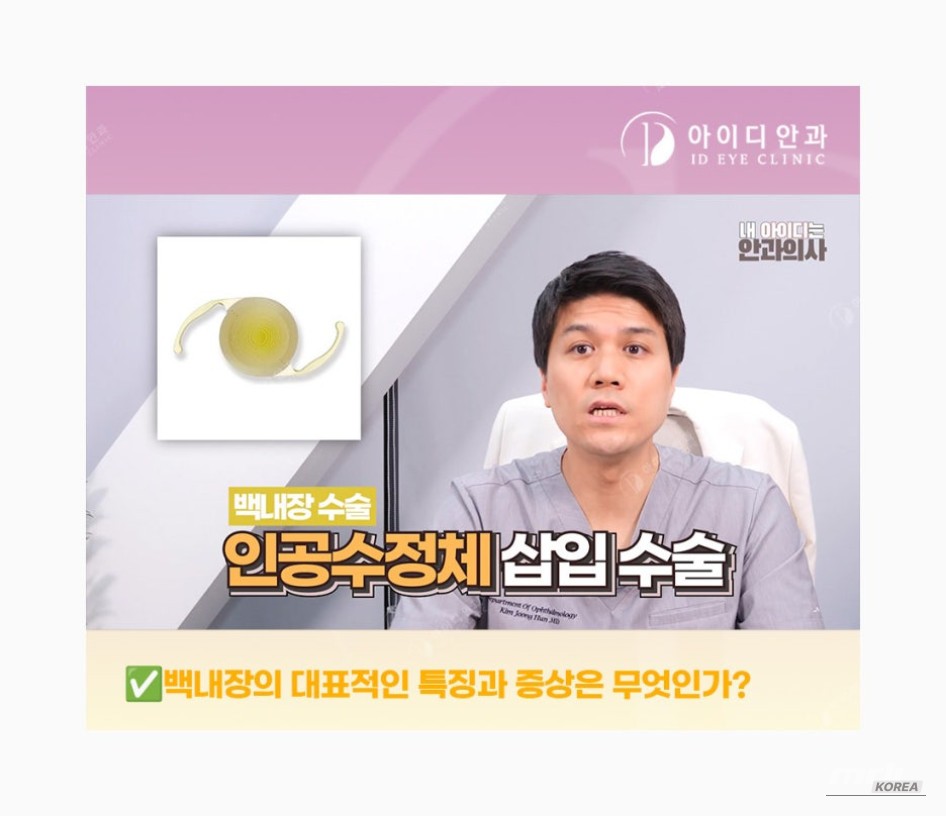
Presbyopia and cataract surgery involves removing the clouded lens and replacing it with an artificial intraocular lens. The small incision results in less pain, faster recovery, and a quick return to daily life.
To address both presbyopia and cataracts simultaneously, it's important to consider various types of intraocular lenses and choose one that comprehensively suits your individual eye condition, lifestyle, and symptoms.
Intraocular lenses can be broadly divided into two types: monofocal lenses, which focus on only one distance (either near or far), and multifocal lenses, which improve vision at near, intermediate, and far distances.
Monofocal lenses allow easy adaptation but may require reading glasses for various distances.
Multifocal lenses provide focus at multiple distances, significantly reducing reliance on reading glasses and improving overall quality of life by allowing you to read, work on the computer, and drive without glasses.
Many people prefer multifocal lenses. Consider your occupation, hobbies, and lifestyle when making your choice.
"Tips and Management for Receiving Suitable Presbyopia and Cataract Surgery?"
Presbyopia and cataract surgery can be seen as a process of designing new vision.
As it is a highly complex treatment, the success of the outcome depends on precise eye examination, systematic system, experienced medical staff's know-how and experience, and aftercare.
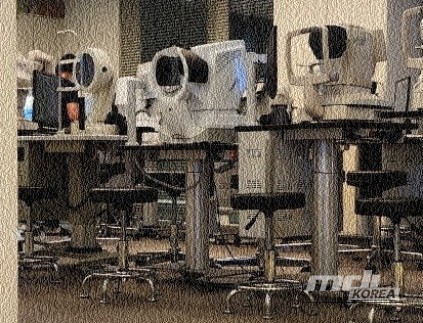
Optimal lens selection requires detailed measurements of eye length, corneal curvature, pupil size, and retinal condition. Consult with a healthcare provider with extensive experience in presbyopia and cataract surgery to choose a suitable ophthalmology clinic and procedure.
Even with a successful outcome, neglecting aftercare can hinder achieving the desired satisfaction. Regular check-ups are necessary to monitor and maintain eye health.
Thank you for reading this long article. This was Kim Joong-hoon, Head Director of Gangnam ID Eye Clinic.



































Source :https://blog.naver.com/tkatlrltkatl/224003710679
No comments yet.