Persistent Eye Discomfort Despite Wearing Dry Eye Glasses?


A common eye-related issue among modern individuals is dryness of the ocular surface. An increasing number of people are being diagnosed with dry eye when visiting medical institutions due to sudden blurred vision or eye discomfort, rather than vision problems. Approximately 20 percent of the global population experiences difficulties due to this condition, and the proportion is steadily increasing. The causes are mostly excessive tear evaporation or insufficient tear production, leading to damage to the ocular surface, causing stinging, irritation, foreign body sensation, and dryness.
While dry eye glasses wearers may experience fewer symptoms than contact lens wearers, prolonged use can still worsen dryness as the frames may compress the area around the eyes or impede ventilation. Natural management methods through nutrient intake can help alleviate symptoms.
Risk Factors Influenced by Age and Lifestyle
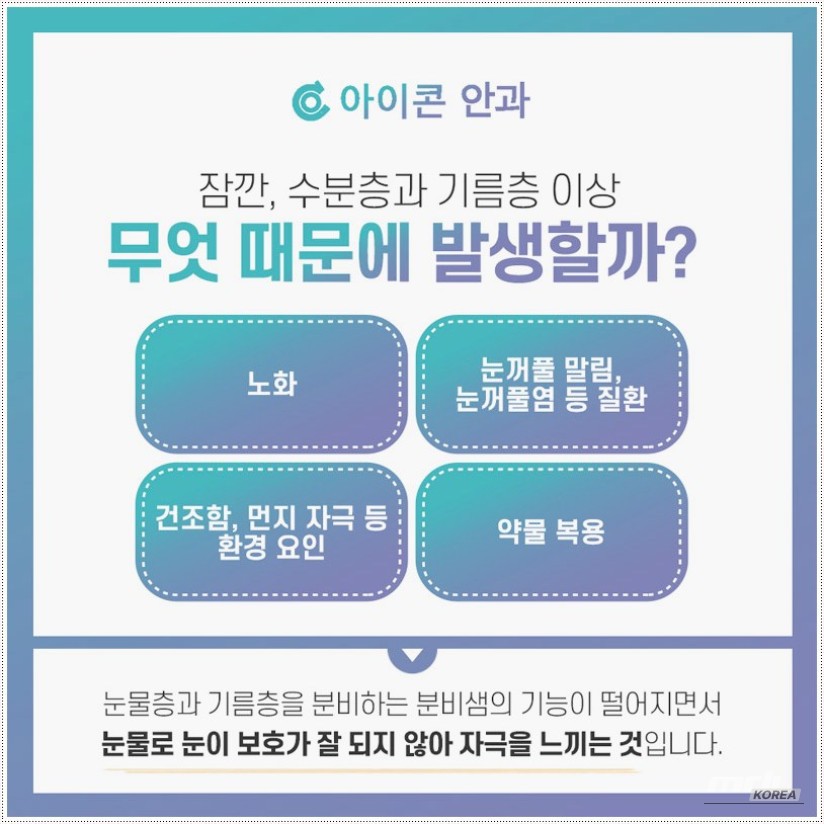
Factors that trigger dry eye symptoms are extensive, with individual habits and surrounding environment playing a complex role.
Age: Natural weakening of tear secretion function.
Digital Device Use: Prolonged use of computers and smartphones → Reduced blinking → Worsened dryness.
Environmental Factors: Dry indoor air, prolonged contact lens wear.
New Risk Factor: Fine dust → Damage to the tear film and eye irritation → Intensified symptoms.
Dry eye glasses users are less exposed to external stimuli compared to contact lens wearers, but wearing glasses alone does not provide complete protection. If symptoms occur due to these factors, it can be difficult to open the eyes, affecting vision, and in severe cases, leading to corneal inflammation or ulcers.
Tears: Essential for Maintaining Eye Health
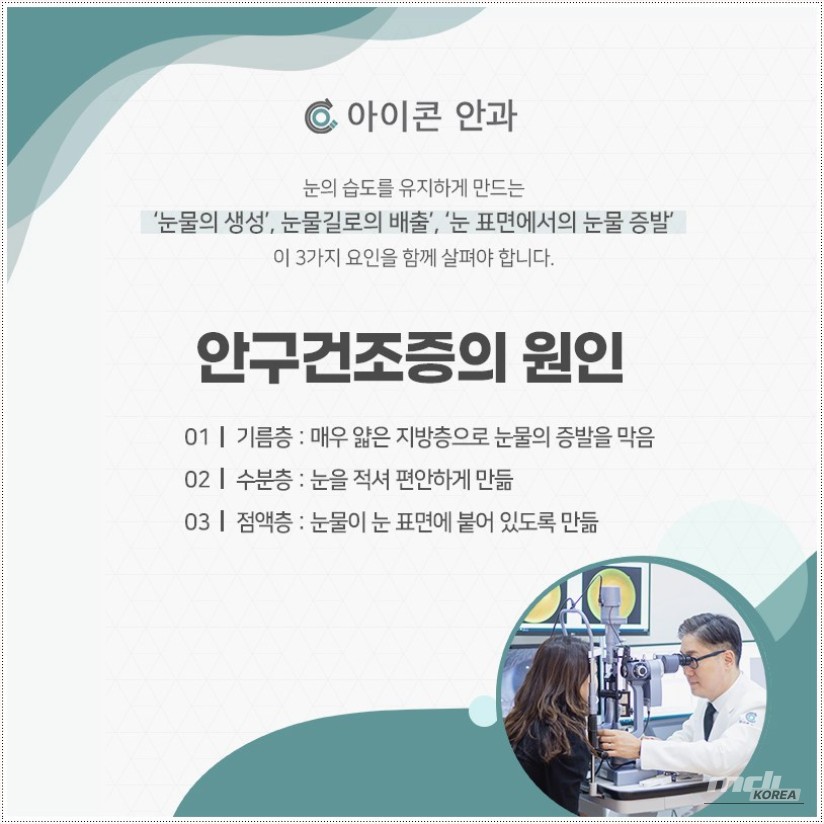
Tears are not just a means of expressing emotions but are essential for maintaining eye health. They protect and nourish the ocular surface and perform the important function of removing foreign substances. Tears consist of three layers: the mucin layer, the aqueous layer, and the lipid layer.
Mucin Layer: Helps tears spread evenly across the ocular surface.
Aqueous Layer: Moistens the eye and provides nutrients.
Lipid Layer: Suppresses tear evaporation.
➡️ An imbalance in these three layers prevents tears from performing their function, leading to dry eye.
In particular, as people age, meibomian gland function declines, causing problems with lipid layer production, which often leads to rapid tear evaporation. Foods rich in omega-3 fatty acids can help form the tear's lipid layer, and foods rich in vitamin A can promote tear production.
Medical Diagnosis is Essential if Symptoms Worsen After Nutrient Intake
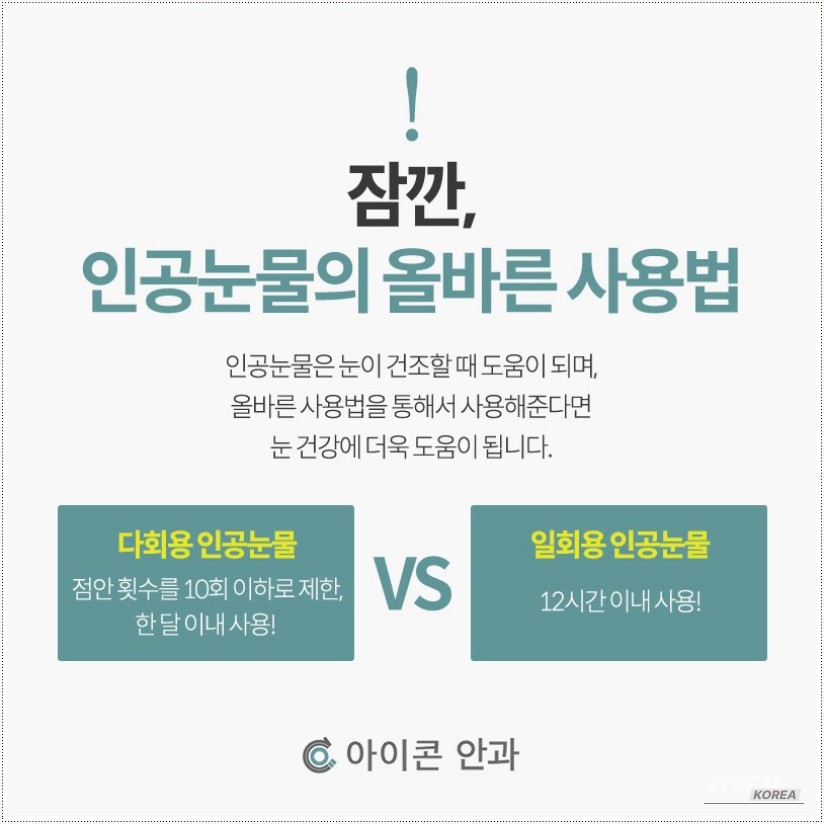
The first step in managing dry eye symptoms is often the use of artificial tears. Artificial tears temporarily supply moisture to the ocular surface, alleviating discomfort, but they are not a fundamental solution, so a comprehensive approach is needed.
When Using a Computer: Blink periodically.
Environmental Management: Maintain adequate humidity, drink plenty of water.
Eyeglasses Wearers: Remove glasses periodically during prolonged wear to circulate air around the eyes.
Eye Massage: Helps improve meibomian gland function.
Nutritional Management: Consume nutrients beneficial for eye health (Vitamins A, C, E, Omega-3 fatty acids, Zinc).
If symptoms persist or worsen, it is essential to consult a healthcare professional for proper diagnosis and treatment.
Precise Diagnosis for Customized Treatment
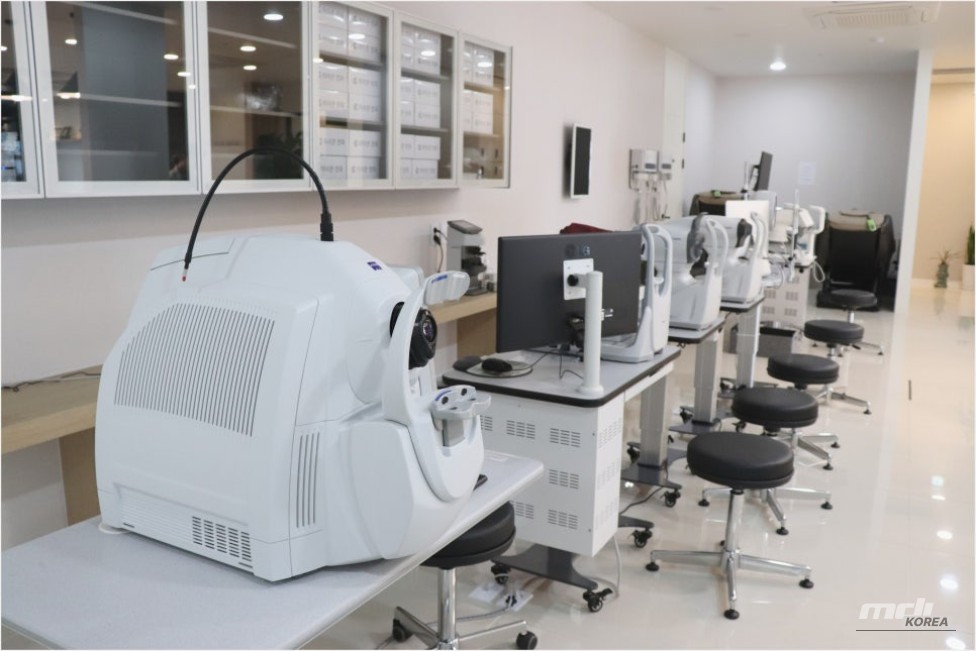
Detailed diagnosis is essential for effective management of dry eye. Currently, various testing equipment can comprehensively evaluate tear quantity and quality, tear film condition, and meibomian gland function. T-OCT scans or topography can precisely observe the tear film condition and changes in the ocular surface. Based on these test results, an appropriate treatment method can be selected for each individual.
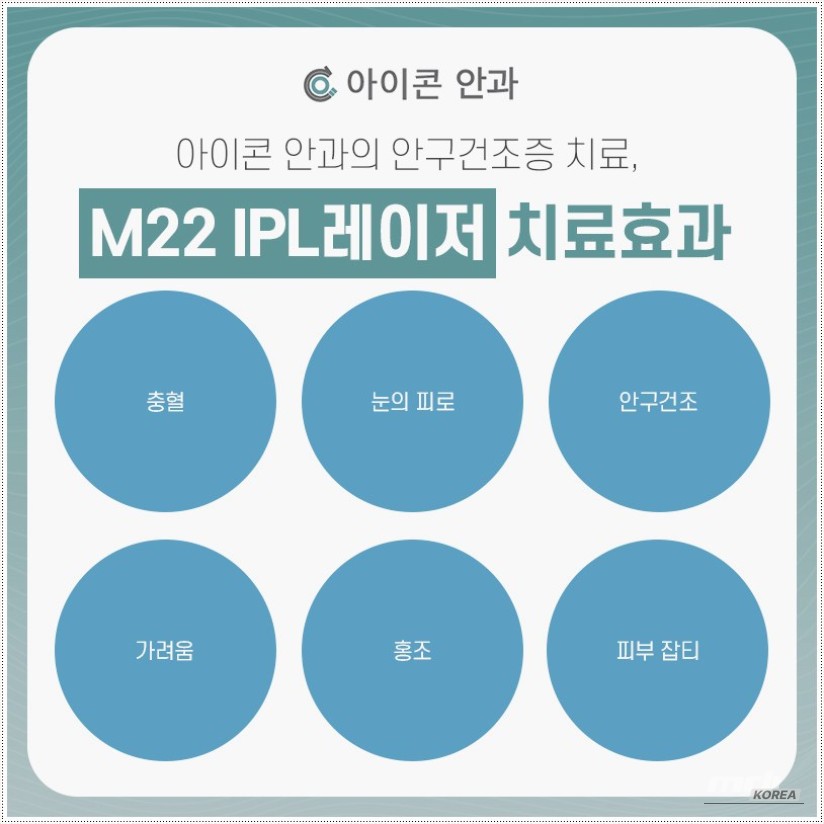
Treatment methods range from using artificial tears to anti-inflammatory treatment and eyelid hygiene management, and currently, there are several options, including IPL laser treatment. IPL laser treatment can help improve meibomian gland function, reduce inflammation, and improve tear quality. It is important to establish a customized treatment plan according to individual symptoms and causes.
Consume Foods Rich in Omega-3 and Vitamins
Dry eye is a condition where consistent management is more important than complete elimination. Small practices in daily life can make a big difference. Eyeglasses wearers need to keep their lenses clean and regularly adjust their frames to prevent excessive pressure on the face. Taking breaks during long periods of reading or computer work and spending time looking at distant objects can also help. These small practices can collectively build the power to protect eye health in the long term.






Source :https://blog.naver.com/iconiconeye/224047447473
No comments yet.