Overcoming the Limitations of Traditional Dry Eye and Redness Treatments: The IPL Approach


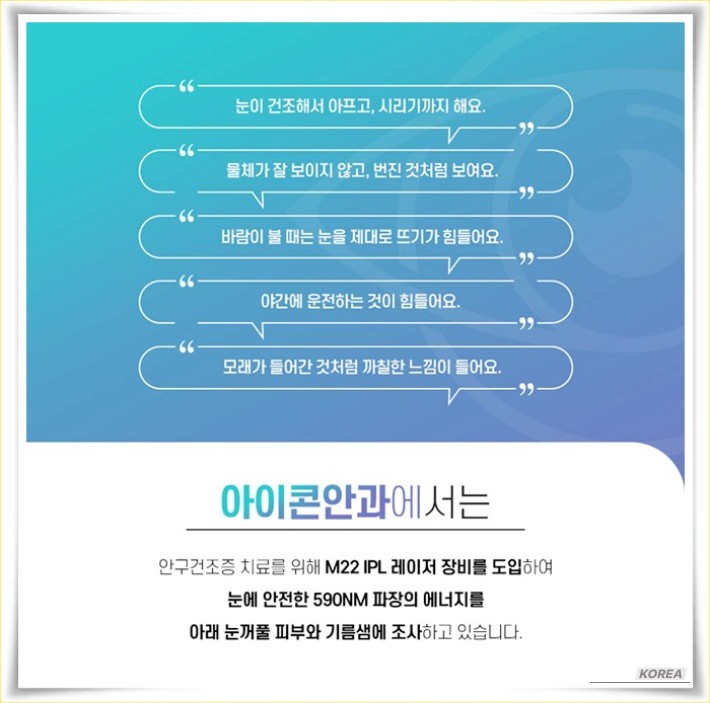
As autumn approaches, various external environmental factors such as dry air, large daily temperature ranges, and fine dust begin to negatively impact eye health. Many people experience uncomfortable symptoms such as stinging and foreign body sensation in the eyes, as well as dry eye and redness, which can be seen as early warning signs of dry eye disease.
Key Symptoms:
Increased sensitivity to light
Persistent foreign body sensation
Difficulty using digital devices
Increased sensitivity in dry or windy environments
These symptoms can significantly reduce the quality of daily life, and proper management and treatment are essential. Dry eye can progress beyond simple temporary discomfort to a chronic ocular surface disease, so it is important to consult a healthcare professional as soon as symptoms appear.
Various Causes: Aging, Digital Devices, Fine Dust, etc.
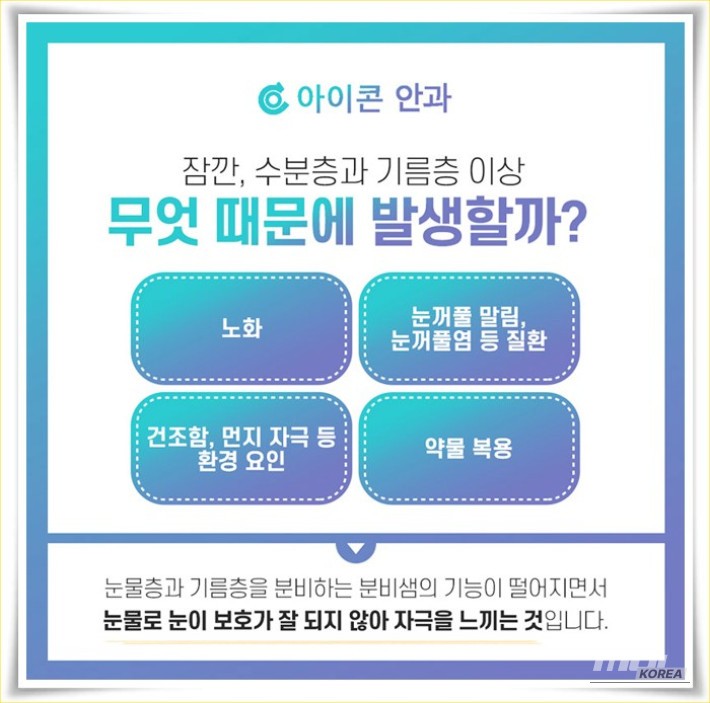
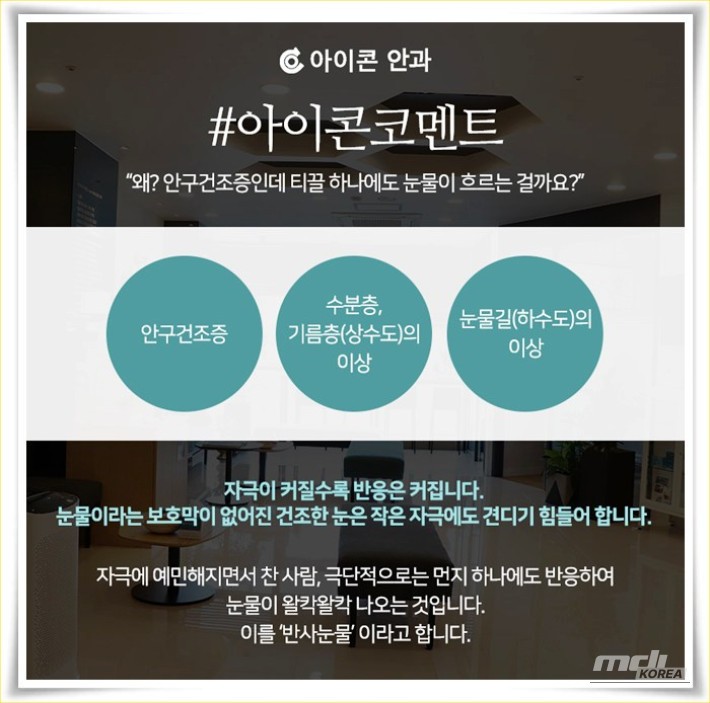
Dry eye is not simply a lack of moisture but a disease caused by various complex factors. It occurs when the balance between the aqueous and lipid layers, the core components of tears, is disrupted, which is influenced by various internal and external factors.
Main Causes:
Decline in gland function due to aging
Excessive use of digital devices
Environmental pollutants such as fine dust
Dry indoor air
Long-term use of certain medications
Autoimmune diseases
In particular, the number of patients requiring treatment is steadily increasing due to changes in modern lifestyles and an increase in environmental factors. If the tear film balance is broken, the ocular surface is damaged, which can lead to chronic inflammation and persistent discomfort. Various factors directly related to modern life, such as environmental pollution, increased indoor living, decreased blinking frequency due to increased use of computers and smartphones, and contact lens wear, are increasing the risk of developing the disease.
Decline in Eye Function and Physiological Changes with Age
The increased probability of developing dry eye with age is an inevitable physiological phenomenon. The aging process gradually degrades the function of the lacrimal and meibomian glands, which directly affects the quality and quantity of tears. Hormonal changes, especially in women after menopause, tend to cause more frequent symptoms of dry eye and redness. To fully compensate for these age-related changes, a comprehensive management plan beyond simple eye drops is needed.
An integrated approach that includes eyelid care, adequate nutrient intake, and improvement of the living environment is important. As age increases, the immune function of the eyes also declines, making them more vulnerable to inflammation or infection, which can worsen dry eye symptoms. In addition, chronic diseases and their medications, which are common with aging, can further exacerbate dry eye.
Establishing a Customized Treatment Plan Through Precise Diagnosis
Accurate diagnosis should be performed first for effective treatment of dry eye. The severity and underlying cause of symptoms are identified through tear film breakup time measurement, Schirmer's test, and corneal staining test. Treatment is approached step by step depending on the severity of the symptoms, and various methods such as tear supplementation, tear preservation, and inflammation control are used. IPL treatment can be an effective option if meibomian gland dysfunction is identified.
In the treatment process, a customized treatment plan is established by comprehensively considering the patient's individual lifestyle habits, occupational characteristics, and pre-existing diseases. In addition, the treatment effect is continuously monitored through regular follow-up, and the treatment method is adjusted as necessary. This systematic approach is essential to relieve the discomfort caused by dry eye and redness.
Overcoming the Limitations of Existing Treatments and Enabling Treatment Approaches
IPL Treatment
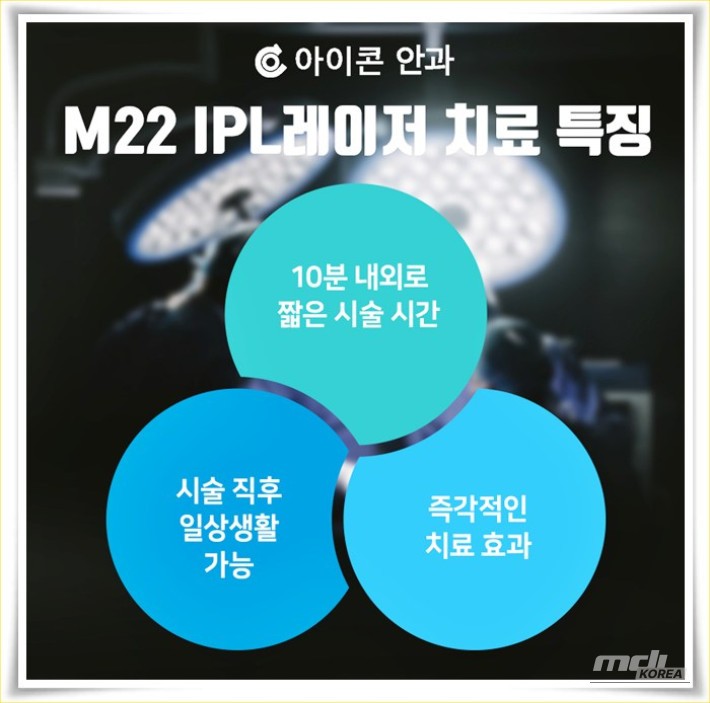
Treatment principle: Controls abnormal blood vessels around the eyelids and dissolves meibomian gland secretions with light of 590nm wavelength.
Procedure: Safely performed with cooling gel and eye shields to protect the eyes.
Number of treatments: A total of 3 treatments are recommended at 2-3 week intervals.
Advantages:
Short procedure time and quick recovery
Reduces inflammation and improves blood circulation
Promotes skin regeneration
Fundamentally improves dry eye by normalizing meibomian gland function
In addition, patients were highly satisfied because they could also expect an additional cosmetic effect of improving the condition of the skin around the eyelids. This treatment directly improves meibomian gland dysfunction, which had limitations with existing artificial tears or drug treatments, enabling a fundamental treatment approach.
Customized Management Tailored to Individual Lifestyles and Environments is Important
Dry eye is a chronic disease that requires continuous and systematic management. A long-term eye health maintenance plan is essential beyond short-term symptom relief. Essential management elements include maintaining adequate indoor humidity, taking regular breaks and improving lifestyle habits, and eating a balanced diet. For prevention and symptom monitoring, regular checkups should be performed to continuously observe symptom changes and adjust treatment methods as needed. Methods to reduce eye strain include taking adequate breaks when using digital devices, maintaining indoor humidity at an appropriate level, and using eye exercises and massage.
In addition, it is important to follow lifestyle rules such as wearing protective glasses when going out, using indoor air purifiers, and drinking plenty of water to minimize environmental factors. Customized management methods tailored to each patient's lifestyle and environment can help with long-term management and prevention of dry eye.




















Source :https://blog.naver.com/iconiconeye/224012938859
No comments yet.