Making a Careful Choice About Presbyopia and Cataract Surgery



Q. What are the symptoms of cataracts as detected by an ophthalmologist?
A. The symptoms of cataracts detected by an ophthalmologist include blurred vision, severe glare or halos around lights, and colors appearing dull.
Q. What eye condition causes objects to appear blurry as if seen through a fog?
A. The eye condition that causes objects to appear blurry as if seen through a fog is cataracts.
As we age, it becomes difficult to focus on close-up text for extended periods, and contrast sensitivity may decrease dramatically in low-light conditions. Many people start looking for reading glasses around this time. If you notice that text appears blurry even under bright light or that lights appear distorted while driving at night, you may be experiencing both presbyopia and cataracts. Although these two conditions have different causes and characteristics, they both interfere with daily activities.
Therefore, instead of immediately trying new tools, it's necessary to carefully assess which situations are most bothersome. Presbyopia is a condition where the ability to focus on nearby objects diminishes.
You may find yourself holding things at arm's length to see them clearly, and it becomes more difficult in dim lighting. Cataracts, on the other hand, involve the clouding of the eye's lens, causing light to scatter and colors to appear yellowish. When these two conditions overlap, you may experience good vision during the day but significantly blurred vision in the evening.
Reading glasses or progressive lenses can help with various distances in daily life. However, frequently adjusting your head angle when switching between screens, books, and driving can lead to fatigue. At this point, you might consider surgical options such as replacing the intraocular lens, naturally leading to interest in presbyopia-correcting cataract surgery.
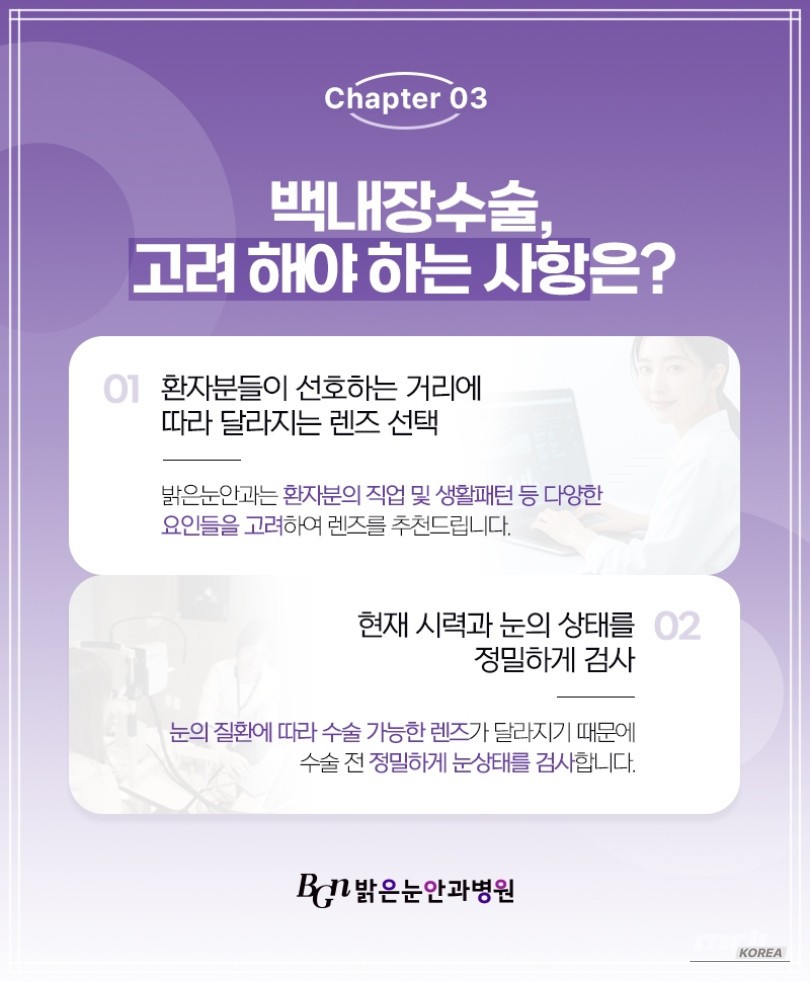
Even though the names are similar, the same approach doesn't suit everyone. When deciding on the direction of presbyopia-correcting cataract surgery, your lifestyle should be the starting point. Priorities differ depending on whether you spend long hours working on a computer, engage in close-up crafts, or frequently drive at night. Some designs help to see one distance clearly, while others offer a broader range of vision. Some people prefer options that provide ample intermediate distance vision.
The examination begins with checking basic elements such as refractive error, astigmatism, pupil size, and tear film condition. If the surface of the eye is dry, the perception of clarity can be affected, so it's important to consider screen usage habits and indoor humidity. If you spend a lot of time outdoors, prioritize sun protection, and indoors, reduce glare by using indirect lighting instead of direct lighting.
When considering presbyopia-correcting cataract surgery, you might initially focus on the cost. However, even the same number can feel different depending on what's included. The total cost varies depending on factors such as the scope of the examination, lens design, whether astigmatism correction is included, and the timing of the procedure on the other eye after one eye is completed.
It's more important to consider what components are necessary for you rather than simply looking at the total price. The surgery itself is usually completed quickly, requiring cooperation while being responsive to instructions.
Afterward, avoid rubbing your eyes, continue with the prescribed eye drops, and postpone strenuous exercise initially. Be careful to prevent water from directly entering the eyes while showering and gently apply a warm compress to the eyelids before bed to relieve dryness. After presbyopia-correcting cataract surgery, you may experience blurred vision or halos around lights at night.
Individual differences are significant, and many people adapt over time. However, adjusting your work environment can reduce strain. Lower the screen brightness, switch to a warmer color temperature, and take breaks to look at distant objects at regular intervals. If you find it difficult to concentrate on close-up tasks for extended periods, increase the font size and slightly increase the reading distance.
Avoid excessive use of artificial tears and maintain indoor humidity during dry seasons. When outdoors, use hats with brims and sunglasses to reduce glare. These adjustments alone can make your daily vision feel much more stable.
Before deciding on presbyopia-correcting cataract surgery, it's best to determine which distances you use most frequently. Specific lifestyle factors such as occupation, hobbies, driving time, and screen time become the criteria for selection. Accept that it's difficult to perfectly match every situation at once, and gradually adjust from the most important distance to reduce trial and error.
Allow ample time for the schedule and avoid strenuous activities and long-distance driving during the initial recovery period. If the discomfort is greater than expected or your vision suddenly becomes blurred, seek medical attention without delay. The key to selection is a design and management plan that suits your lifestyle, rather than simply the cost.
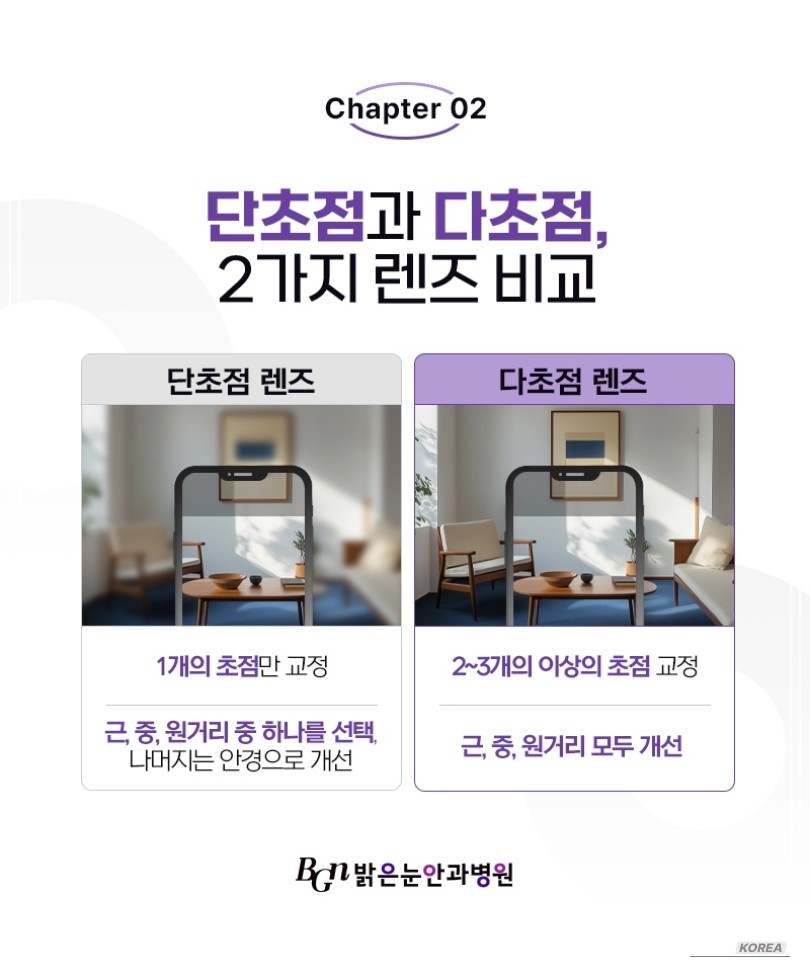
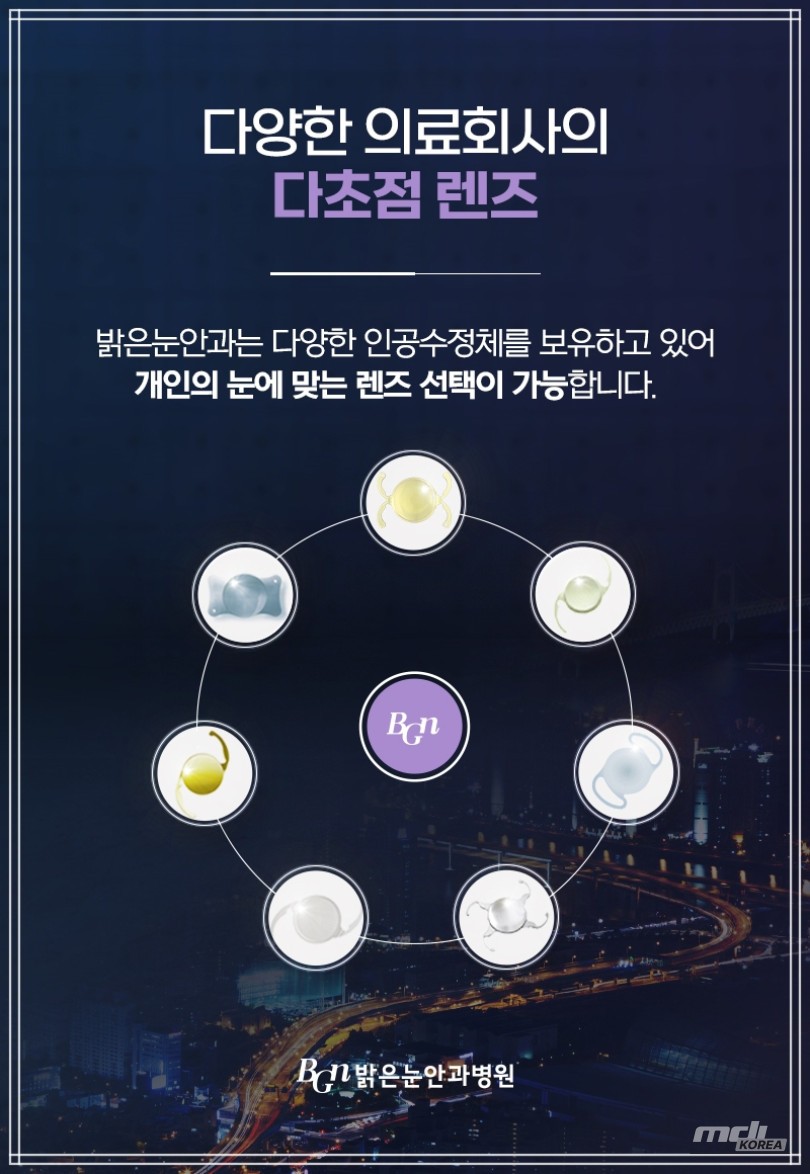
You won't lose your way if you compare slowly based on your own experience and daily situations. Understanding the characteristics of the lens is easier than understanding the name. A method that increases clarity around one distance has a relatively simple eye adaptation.
A method that covers multiple distances is of interest to those who want to use reading glasses less, but some people are more sensitive to light scattering at night, so it's best to listen to the explanation according to the scene of life. If you have astigmatism, you should consider a design that compensates for the curvature of the cornea. The timing should be based on the intensity of discomfort and the needs of life.
If you spend a lot of time looking at books or screens and the letters often appear overlapping, you should consider making a decision to advance the timing. Conversely, if it does not significantly interfere with your daily life, you can choose to monitor it with lifestyle adjustments and glasses.
The goal is not to rush or delay, but to reduce discomfort in frequent daily activities. There were frequently asked questions in the examination. These included how often you drive at night, how long you continue close-up work at one time, when dryness worsens, and whether you are taking any regular medications.
When these answers are accumulated, a design and schedule tailored to you can be naturally organized. If you have systemic diseases such as diabetes or high blood pressure, you should consult with the department in charge to coordinate the progress. In the recovery phase, reduce excessive screen use and divide document work into short sections.
Reading should begin in a place where the lighting is bright and there are no shadows. After showering, gently wipe around the eyes to ensure no moisture remains, and keep the indoor air humid before going to bed. If swelling or foreign body sensation lasts longer than expected, seek medical attention without delay.




Source :https://blog.naver.com/koikoro/224011664603
No comments yet.