LASIK vs. LASEK: Choosing the Right Vision Correction at Gangnam Station Eye Clinic



Hello.
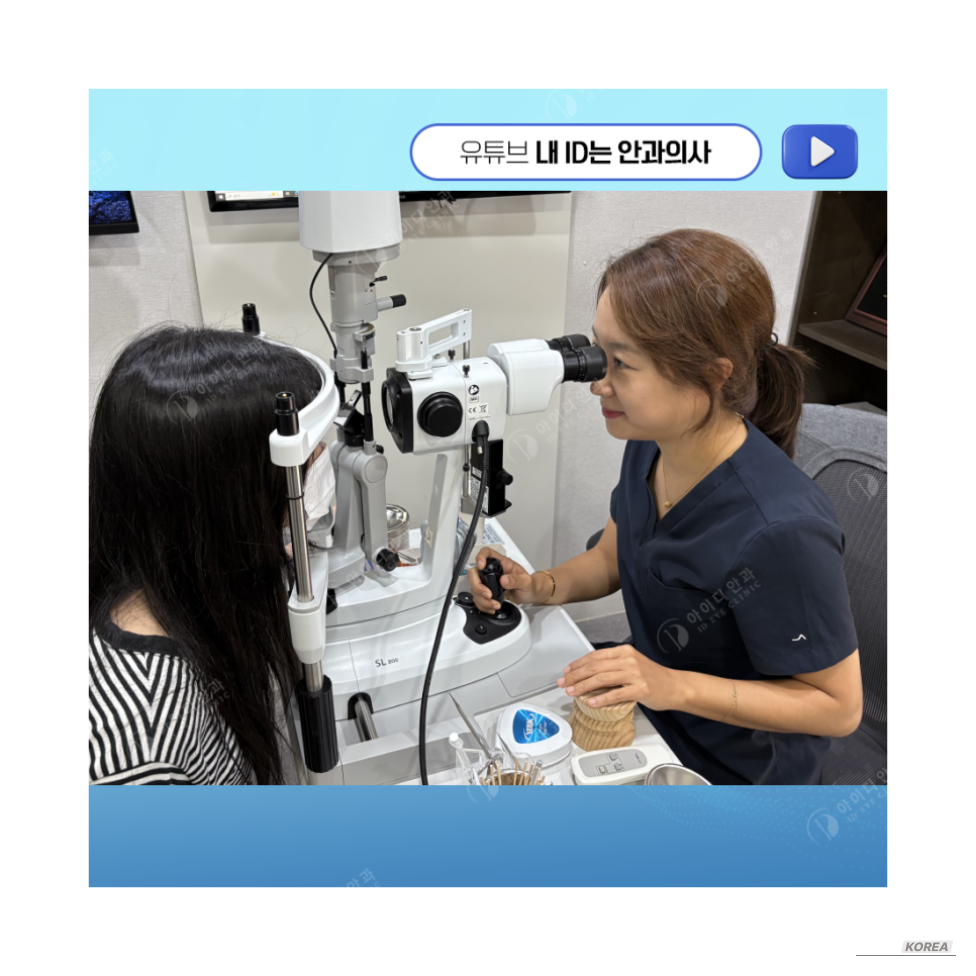
I'm Dr. Lee Min-ji, head director of Gangnam ID Eye Clinic.
During winter, many experience eye irritation from the cold outdoor air and dryness from indoor heating. The cold wind outside can stimulate the eyes, while the dry air inside, caused by heating, increases eye fatigue.
For those with declining vision, glasses or lenses can help correct it. However, long-term glasses wearers may experience discomfort with seasonal changes.
In winter, the temperature difference between indoors and outdoors can cause foggy glasses. Wearing lenses can lead to dry eyes as indoor humidity decreases due to heating, causing rapid tear evaporation and discomfort.
Because of these issues, more people are seeking vision correction surgery to address the root cause. It's crucial to understand that not all vision correction procedures are the same.
Today, we'll explore various vision correction options available at Gangnam Station Eye Clinic. Pay close attention and consider the most suitable method for your needs.
"LASIK vs. LASEK: Which is right for you?"
LASIK and LASEK, popular vision correction surgeries, use lasers to reshape the cornea and correct refractive errors like nearsightedness, farsightedness, and astigmatism. The main difference lies in the procedure itself.
LASIK involves creating a thin flap on the cornea, reshaping the corneal tissue underneath, and then repositioning the flap. In contrast, LASEK involves removing only the corneal epithelium (the outer layer), reshaping the underlying corneal tissue, and then using a bandage contact lens to protect the eye while the epithelium regenerates.
LASIK offers less pain and faster recovery, but carries a risk of the corneal flap dislodging from strong external impact. It may not be suitable for those with thin corneas, high myopia, significant astigmatism, or certain eye diseases. LASEK may involve more discomfort and a slower recovery as the corneal epithelium regenerates, but offers greater resistance to external impact after healing.
There's no single "best" method between LASIK and LASEK. The choice depends on individual factors such as vision, corneal thickness, pupil size, and pain sensitivity.
"What if LASIK and LASEK aren't options?"
All-laser LASEK is a recent advancement that addresses some limitations of traditional LASIK and LASEK.
Traditional LASEK uses alcohol or a brush to remove the corneal epithelium before reshaping the cornea. All-laser LASEK uses a laser for the entire procedure.
All-laser LASEK offers precision and accuracy. It quickly removes the corneal epithelium and precisely reshapes the corneal stroma with a laser, reducing the risk of side effects, even for those with thin corneas, high myopia, or astigmatism.
The advantages of all-laser LASEK include faster recovery and less pain. It also minimizes potential side effects like dry eye and night glare due to precise corneal ablation.
"Two-Day LASEK: Minimizing Corneal Damage"
Two-Day LASEK precisely treats the corneal surface during laser application, promoting faster recovery and reduced pain.
Two-Day LASEK uses the AMARIS RED laser, which delivers a 0.54mm ultra-precise laser, ablating the cornea with approximately 3.5 times higher precision than conventional methods, while minimizing thermal damage for stable outcomes with less corneal impact.
The 7-dimensional eye-tracking technology compensates for subtle eye movements in real-time, improving vision quality and reducing side effects like glare and blurred vision.
Two-Day LASEK is suitable for individuals sensitive to pain, those prone to night vision issues or glare, and professionals or students needing a quick recovery.
"Save LASEK: Preserving Residual Corneal Tissue"
Save LASEK uses the EX500 White laser with the VARIO analysis system, allowing for more delicate and stable ablation planning, minimizing unnecessary removal of the corneal epithelium.
The Save LASEK equipment removes less corneal tissue under the same conditions, ensuring high accuracy. It has a wide range of applications, even for high myopia or astigmatism, provided basic requirements are met. It also offers less pain and faster recovery.
It performs corneal epithelium removal and vision correction simultaneously, based on a design suitable for astigmatism correction. It also reduces the risk of side effects like night glare or double vision, leading to high patient satisfaction.
"How to Choose a Gangnam Station Eye Clinic?"
Vision correction surgery should not be based solely on visual acuity. It's crucial to find a Gangnam Station eye clinic that comprehensively analyzes various factors such as corneal thickness and shape, tear production, and lifestyle visual demands to determine the best approach.
The value of vision correction surgery extends beyond simply eliminating glasses or lenses. It reduces vision-related limitations in various aspects of life, such as outdoor activities, sports, work, and travel, directly impacting convenience and satisfaction.
Therefore, thorough consultation and examination to find a method tailored to your eye condition is the first step towards a clearer and more comfortable life.
To maximize satisfaction, detailed examinations are needed to assess individual eye conditions and characteristics, followed by comprehensive consultation.
When considering vision correction surgery, check for systematic precision exams, the latest equipment, and post-operative care. Most importantly, consider the experience and skill of the medical staff, as they directly influence the results. Choose a Gangnam Station eye clinic with experienced and skilled professionals to find the best vision correction method for you.
Thank you for reading this long post.
Sincerely,
Lee Min-ji, Head Director of Gangnam ID Eye Clinic.



























Source :https://blog.naver.com/tkatlrltkatl/224080903174
No comments yet.