LASIK vs. LASEK: A Comprehensive Comparison



Comparing LASIK and LASEK surgery:
Q. At what age should I get an eye exam?
It is recommended to have an eye exam once between the ages of 3 and 5. Students should have one every 1-2 years, adults (40 years old) should have one and then every 1-2 years between 40-64 years old, and those 65 years and older should have one annually. If you have a family history of myopia progression, diabetes, or glaucoma, an annual exam is recommended.
Q. Should I see an ophthalmologist if I have eye pain and a headache?
It is recommended to seek medical attention. You should visit immediately if you experience decreased vision, severe redness, light scattering, rainbow symptoms, severe pain in one eye, nausea, flashes of light, or floaters. If symptoms are recurring, schedule an examination.
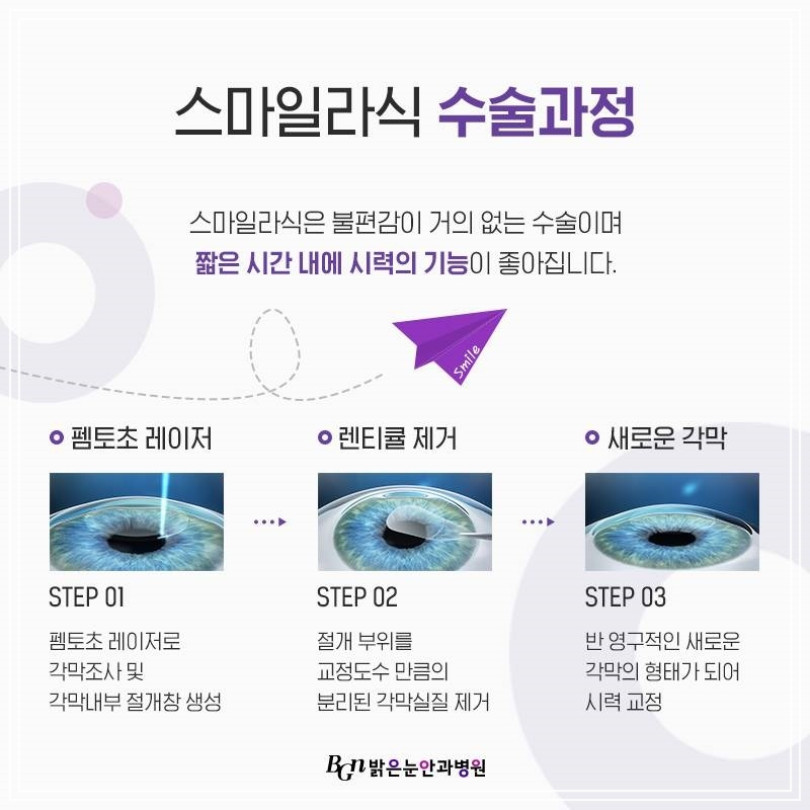
Refractive surgery is a method of adjusting the refractive power of the cornea to help the eye focus on its own, without relying on glasses or lenses. LASEK involves removing the corneal epithelium and then reshaping the cornea with a laser, while SMILE involves creating a thin layer inside the cornea, removing it through a small incision, and changing the refractive power.
Both methods have the same goal, but the pain, speed of focus recovery, and sensation of dryness differ. It is safest to create a plan based on your occupation, tear secretion status, and frequency of night driving.
Whether or not it is necessary depends not only on simple visual acuity, but also on factors such as corneal thickness, astigmatism axis, and pupil size. Inaccurate refraction can be explained by differences in eyeball length formed from the growth stage, uneven corneal curvature, and habits of prolonged near work.
In many cases, multiple factors overlap rather than just one, so prescriptions may vary even for the same myopia. If the cornea is thin, the amount of tissue that can be removed is limited, and if the pupil is large, preparation for nighttime light scattering is necessary. When considering, it is reasonable to consider whether it fits your eye structure rather than the trend of the surgical method.
Whether LASIK or LASEK surgery is a reasonable choice can be judged based on these criteria. Symptoms may include blurred vision at a distance without glasses, or overlapping letters if you have astigmatism.
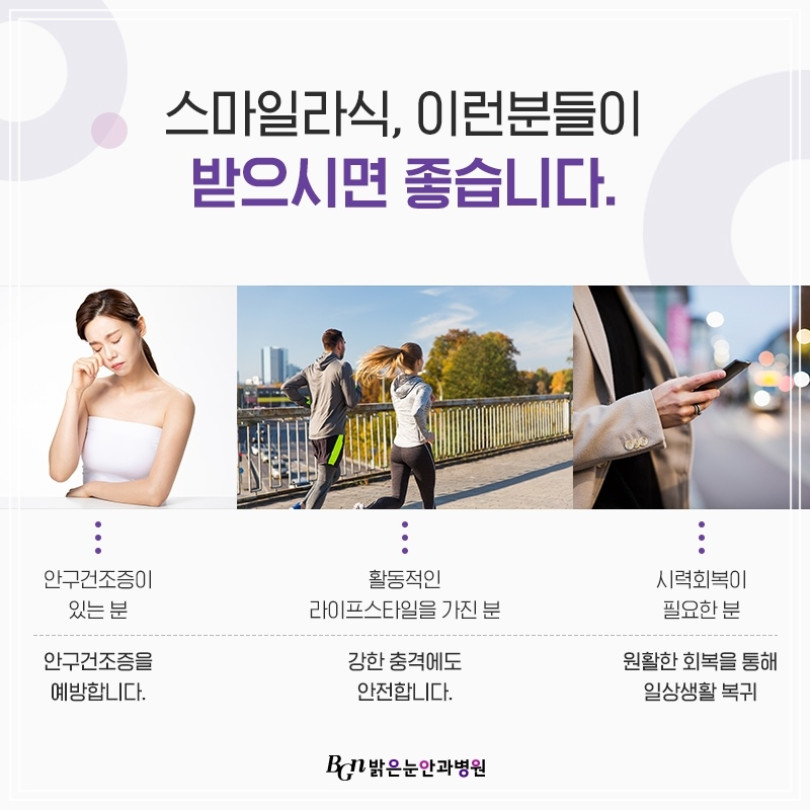
Looking at a screen for a long time can cause slow focusing and dizziness. People who wear contact lenses for long periods of time complain that it is difficult to maintain their daily lives due to frequent redness and foreign body sensation. Correcting the focus through surgery can reduce these inconveniences, but the same change cannot be promised to everyone.
It is important to have a realistic expectation because individual recovery speed and sensation vary. If you are considering LASIK or LASEK surgery, it is good to think about these points first. The diagnostic process consists of corneal topography and corneal thickness mapping, pupil size measurement, tear film stability evaluation, and retinal examination.
Corneal topography is used to screen for conical changes, and thickness mapping is used to calculate a safe cutting range. If the tear film is unstable, dryness may be prominent, so adjunctive treatment may be needed first. A dilated examination should be performed to identify weak areas of the peripheral retina and determine whether to treat them in advance.
The plan is based on the values obtained in this way to determine whether you have high myopia, a large astigmatism component, and how to set the incision size. The decision of whether to have LASIK or LASEK surgery was also specified at this stage. When choosing a treatment method, the difference between LASEK and SMILE had to be realistically compared.
LASEK often involves stinging while the epithelium regenerates, but small corneal incisions and some resistance to trauma are frequently mentioned. SMILE is known to have relatively fast focus recovery because it is performed with a small incision, but fine adjustments may be necessary depending on the corneal shape and astigmatism direction.
If you have high myopia, you need to strictly consider safety margins because the amount of tissue that needs to be removed is large, and if your cornea is thin, you need to reduce the dose or consider other alternatives. When choosing, you should consider your work style, exercise habits, and frequency of outdoor activities to plan your recovery period.
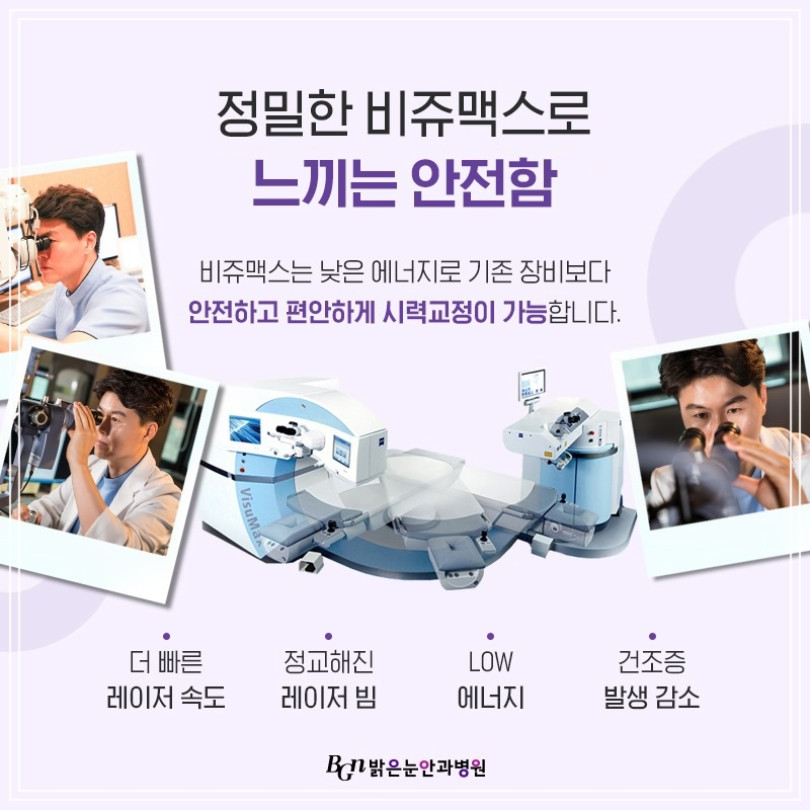
LASIK and LASEK were conclusions that came out after such comparisons. On the day of surgery, the pupil size and tear condition were reconfirmed, and the time the laser was activated was managed to be short while maintaining the guided gaze. In the case of SMILE, the stability of the process of extracting the separated thin layer with constant force was important.
In LASEK, a lens for epithelial protection was placed to reduce discomfort. Before leaving, you were informed that light scattering and dryness may temporarily worsen, and you had to use painkillers and eye drops regularly. After that, driving or strenuous exercise was not immediately resumed, and the focus change was checked by repeating measurements at scheduled intervals.
Post-LASIK/LASEK surgery management had to be adjusted to fit the individual's lifestyle. There are two things to keep in mind. First, even if the surgical method is the same, the recovery sensation may differ if the corneal thickness and tear film condition are different. Secondly, dryness and nighttime blurring are common in the early stages, but usually tend to decrease over time. However, if discomfort persists for a long period of time, it is safe to re-examine the cause and revise the prescription.
Those who have used contact lenses for a long time need a process of resting their lenses for a certain period of time before surgery to stabilize the corneal shape. Habits of rubbing the eyes strongly before and after should be avoided, and the designated eye drop schedule should not be arbitrarily reduced. If you are considering LASIK or LASEK, it is good to remember this point. Whatever you choose, the most important criteria are the safety margin confirmed by numbers and your lifestyle.
What matters most is whether it fits your eyes and whether you can realistically handle the recovery period, rather than the advantages on paper. If you have heard an explanation that you can understand, that plan may be right.
Before deciding, it was better to cross-check pupil size, corneal thickness, retinal condition, and tear film examination one more time to see if there were any variables. LASEK and SMILE have the same purpose, but can be said to be different paths. Thinking of it as a process of choosing the path that is right for you can reduce the burden. LASIK and LASEK surgery can be easier to predict if preparation and inspection are thorough.
In post-operative management, the eye drop schedule was key. The prescribed intervals had to be observed, and time had to be secured to close the eyes and rest in the early stages. If screen use is prolonged, blinking is reduced and dryness increases, so breaks should be taken to reduce the burden on focus. Protective glasses can be helpful in windy or dusty areas.
If the pain is longer than expected or flashes of light are frequent in the field of vision, the schedule should be moved up and an examination should be performed. In the long term, the stability of the corneal shape should be checked in maintenance measurements. If working hours and lifestyle change, the pattern of eye use may also change. At this time, the eye drop plan had to be adjusted to reality. In times when night driving became more frequent, it was good to re-examine blurring to secure a safety margin.





Source :https://blog.naver.com/koikoro/224044527363
No comments yet.