LASEK Surgery Review: A Way to Restore Clear Vision Without Glasses



Hello.
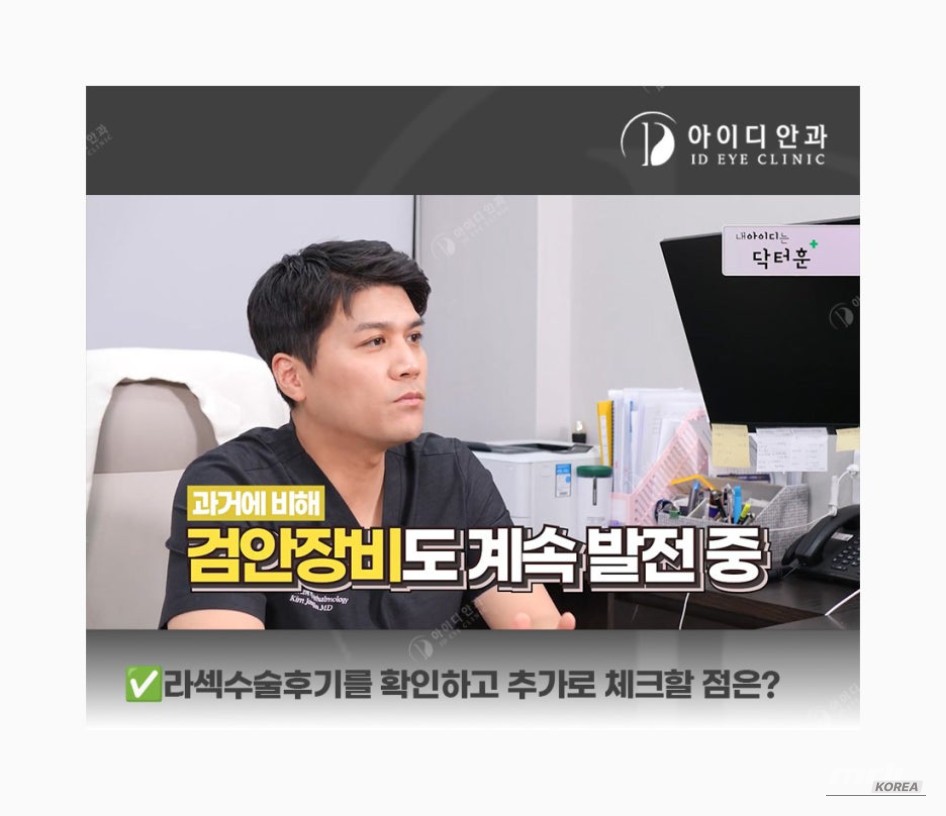
I'm Kim Joong-hoon, head director of Gangnam ID Eye Clinic.
As the temperature begins to drop, those who wear glasses may experience various inconveniences.
The temperature difference between indoors and outdoors, or frequent rain, can cause glasses to fog up and raindrops to obstruct vision.
Moreover, in seasons when the skin becomes dry, nose pad marks from glasses can linger. Even without these environmental changes, wearing glasses for extended periods can cause pain in the ears or bridge of the nose, leading people to seek solutions.
One alternative to glasses is contact lenses. However, wearing contact lenses is not a fundamental solution to reduce problems and discomfort.
Contact lenses can exacerbate dry eye or eye irritation. Considering long-term eye health, refractive surgery to achieve clearer vision without glasses or contact lenses can be a fundamental solution.
As various refractive surgery methods and new equipment continue to emerge, people often look for LASIK and LASEK surgery reviews to determine the most suitable procedure. It's important to carefully compare the pros and cons before proceeding. Today, let's take some time to learn about LASIK and LASEK.
“LASIK and LASEK: Over 30 Years of History”
LASIK and LASEK, icons of refractive surgery, correct vision by cutting the cornea or removing the epithelium. These methods have been used for over 30 years.
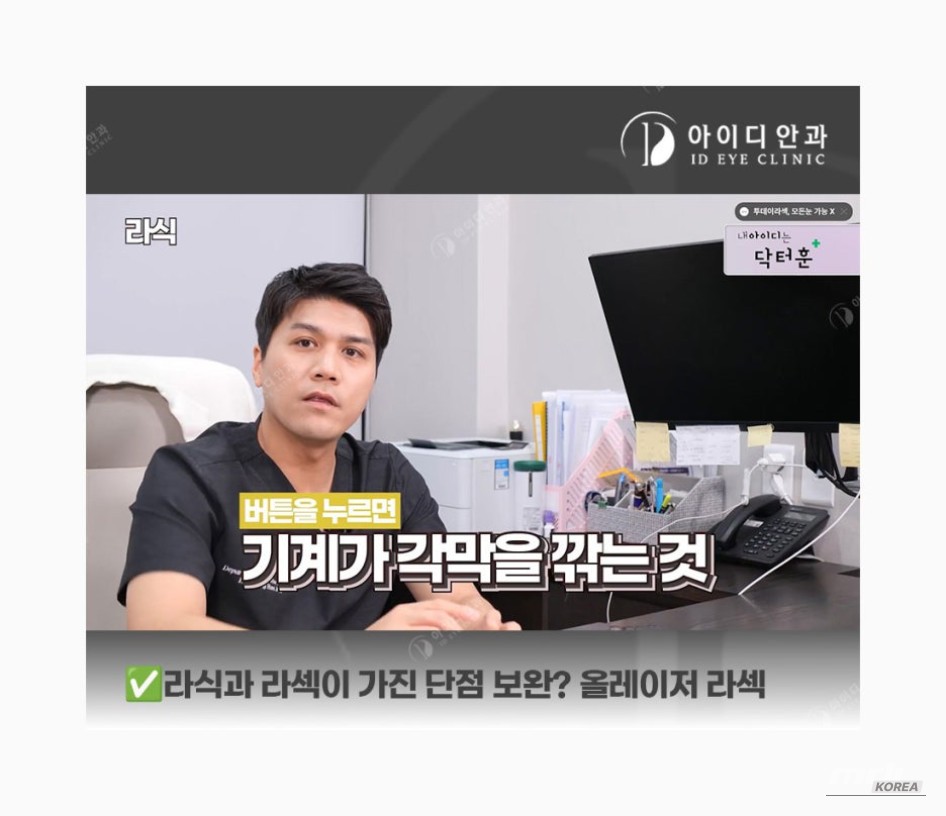
LASIK involves creating a flap by incising the cornea by more than 20mm to correct vision. It is popular among those who work indoors or have limited time due to its minimal pain and fast recovery. However, LASIK has drawbacks such as vulnerability to physical impact and a large amount of corneal ablation, making it difficult for individuals with thin corneas, high myopia, or high astigmatism.
LASEK can be considered when LASIK is not an option. LASEK corrects vision by thinly removing the corneal epithelium using tools like alcohol or a brush.
After recovery, LASEK is resistant to physical impact and involves less corneal ablation, making it applicable to various eye conditions. However, it can be accompanied by pain, and the recovery process is somewhat slow.
“Addressing the Disadvantages of LASIK and LASEK? All-Laser LASEK”
If you've decided to undergo refractive surgery, you've probably searched through countless LASIK and LASEK surgery reviews.
Generally, people hesitate due to the issues of LASIK, such as vulnerability to physical impact and a large amount of corneal ablation, and concerns about pain and long recovery periods with LASEK.
Therefore, all-laser LASEK, a new refractive surgery that appropriately compensates for the shortcomings of LASIK and LASEK, has emerged.
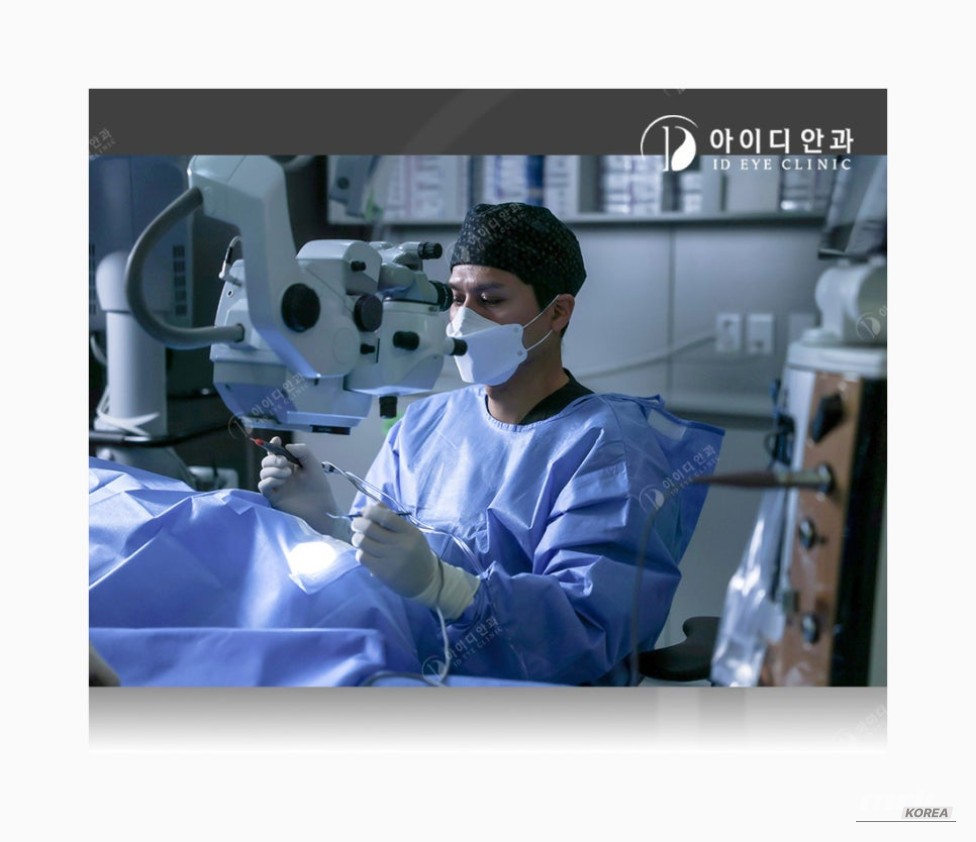
With advanced laser equipment, precise stromal ablation is possible. The entire process, from the first step of corneal ablation, is performed by laser instead of manually by medical staff, reducing potential errors.
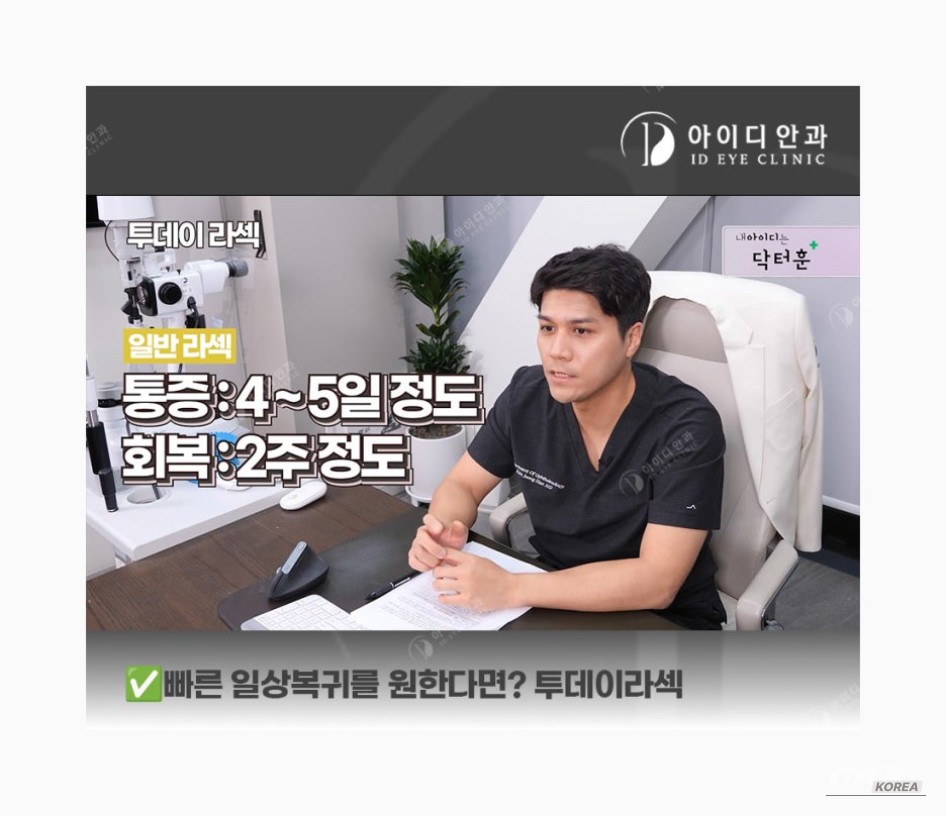
Additionally, it is a safe refractive surgery with less pain, faster recovery, and a significantly lower incidence of side effects, making it popular among students and workers who want a quick return to daily life.
“Want a Quick Return to Daily Life? 2-Day LASEK”
Looking at LASEK surgery reviews, a method that is increasingly preferred is 2-Day LASEK, which boasts a noticeable recovery speed. It is characterized by the use of the Amaris Red laser equipment.
From the first step of removing the corneal epithelium to the step of correcting vision, it is done in one step. Because corneal flap is not created and the corneal damage area is reduced by 40%, the procedure time is short and the pain is less.
This method is possible because it is designed to irradiate quickly with a beam that is about 3.5 times finer than current laser equipment.
When performing refractive surgery, surrounding corneas can be damaged by heat. However, it also has a program to prevent overlapping irradiation, reducing the risk of damage. It is also equipped with a 7-dimensional eye tracker to compensate for minute tremors and movements of the eye, enabling more accurate and safe vision correction.
“Thin Cornea, High Astigmatism, Myopia? Save LASEK”
For those with eye conditions that require a careful approach, we can suggest a refractive surgery method that precisely ablates the cornea and has a wide correction range.
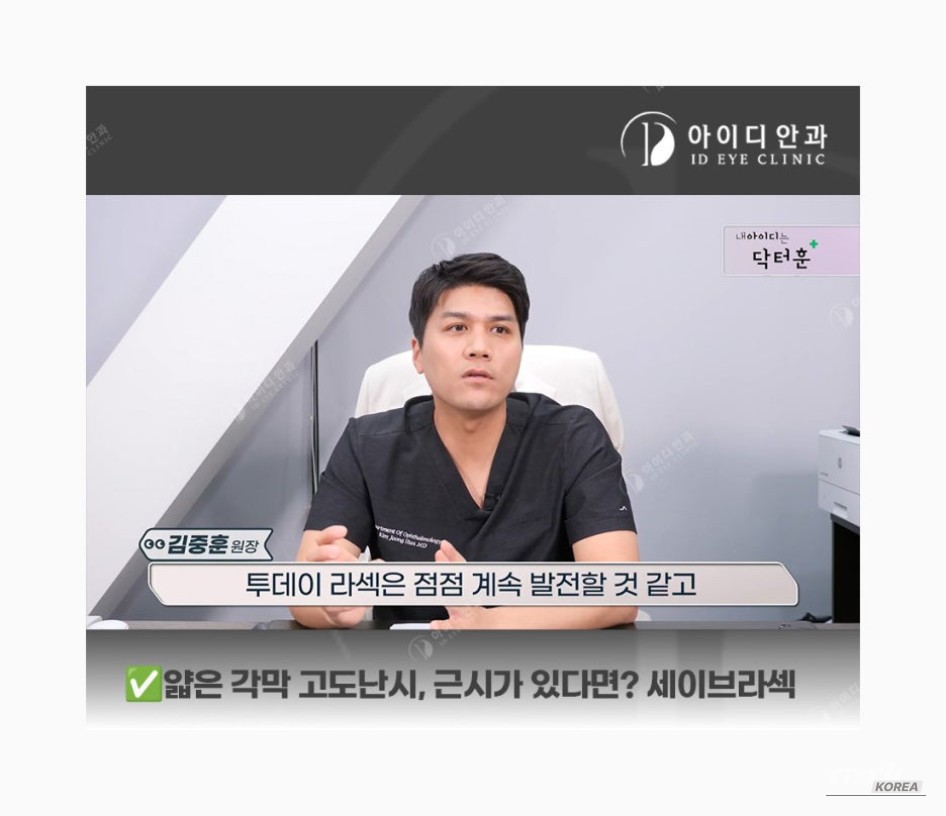
Save LASEK, which uses EX500 White, is suitable for these cases. Above all, astigmatism is characterized by a very irregular corneal surface, so equipment that can analyze and irradiate more precisely than general lasers is required.
EX500 White, used in Save LASEK, not only analyzes the shape of the cornea but also secures the amount of cornea that can be preserved by ablating only as much cornea as necessary.
Thanks to these features, people with thin corneas, high myopia, astigmatism, or very high myopia can undergo vision correction without much worry if they meet the basic requirements.
Also, less pain and faster recovery are considered advantages. The risk of side effects such as night glare or double vision can be reduced, increasing satisfaction and resulting in high accuracy.
“What to Check in Addition to LASEK Surgery Reviews?”
If you want long-term vision correction instead of glasses or lenses, you will be diligently checking the continuously developing LASIK or LASEK surgery reviews. There are important points that must be compared beforehand.
Rather than focusing solely on cost, events, or reviews, it is important to carefully examine whether experienced and knowledgeable medical staff are present and performing the procedure, whether thorough eye precision examinations are conducted, whether the latest equipment is well-handled and the procedure is explained in detail, and whether the aftercare program is systematically operated. By examining these aspects in detail, you can expect clearer vision.
Considering your occupation, hobbies, and daily life, it is important to choose a method that suits you and to thoroughly manage your eyes after the procedure in order to maintain the recovered vision satisfactorily and expect successful results.
Thank you for reading this long article. This has been Kim Joong-hoon, head director of Gangnam ID Eye Clinic.









































Source :https://blog.naver.com/tkatlrltkatl/224048536386
No comments yet.