Glaucoma: Early Symptoms, Risk Factors, and Management



Those with high myopia and hypertension should be aware of early glaucoma symptoms.
Glaucoma is a disease that damages the optic nerve and leads to vision loss due to increased eye pressure. A key issue is that early glaucoma symptoms are often subtle, making self-diagnosis difficult. Therefore, regular check-ups are essential, especially for those with a family history or those over 40. Experiencing noticeable symptoms often indicates the disease has progressed significantly.
Glaucoma can be broadly classified into two types. The most common is open-angle glaucoma, where eye pressure slowly increases, gradually damaging the optic nerve. Initially, there may be no significant symptoms, but as it progresses, the field of vision may narrow. The second type is angle-closure glaucoma, a rarer condition characterized by a rapid increase in eye pressure and sudden symptoms like decreased vision, eye pain, headache, and vomiting, requiring immediate attention.
In some cases, glaucoma can occur even with normal eye pressure, known as normal-tension glaucoma. The exact cause remains unclear, but potential factors include insufficient blood flow to the optic nerve, a weak optic nerve, or genetic predisposition. Normal-tension glaucoma progresses slowly like open-angle glaucoma, often without noticeable symptoms, emphasizing the importance of regular check-ups, particularly for those of East Asian descent (Koreans, Japanese).
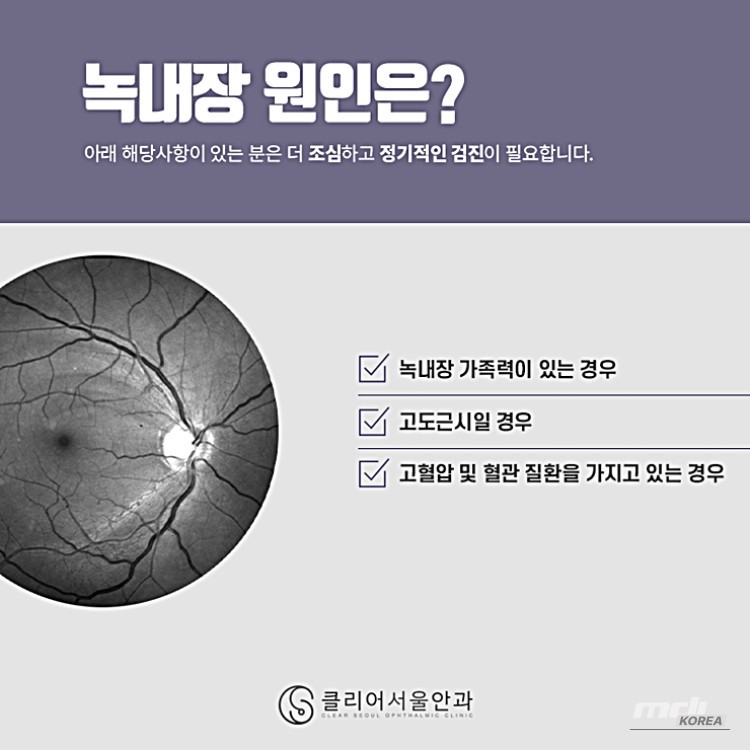
The primary cause of glaucoma is increased eye pressure, resulting from inadequate drainage or excessive production of aqueous humor. If aqueous humor doesn't drain properly, the pressure inside the eye increases, compressing and damaging the optic nerve. Age-related factors also increase the risk, including natural optic nerve degeneration, impaired aqueous humor drainage, and reduced blood flow. High myopia can also contribute, as the elongated eyeball can put excessive stress on the retina and optic nerve, potentially leading to glaucoma. Systemic conditions like hypertension and diabetes can also be risk factors. Hypertension affects blood supply to the optic nerve, while diabetes can damage blood vessels, impairing nutrient delivery to the optic nerve.
Family history is another significant factor, especially in open-angle glaucoma. If parents or siblings have glaucoma, regular eye exams are crucial, focusing on the overall health of the eye rather than just vision testing.
While early glaucoma may not present noticeable symptoms, advanced stages can manifest in various ways. Peripheral vision may gradually narrow while central vision remains clear. Increased sensitivity to light or seeing halos around lights may also occur. If these symptoms are ignored, glaucoma can rapidly lead to blindness, making early detection and treatment critical.
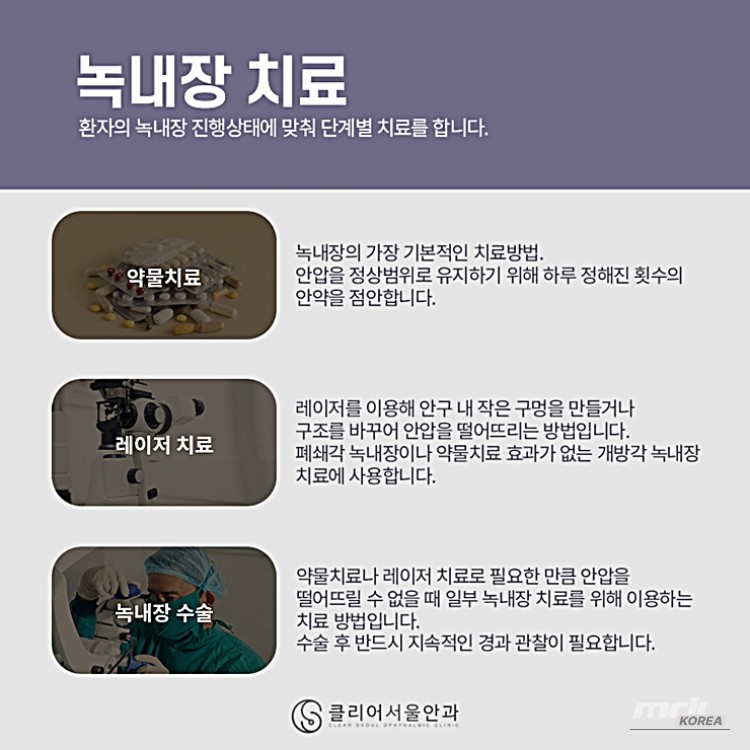
Although glaucoma cannot be cured, treatment can slow its progression. The most common approach is medication, using eye drops to lower eye pressure. If medication is insufficient, laser therapy may be considered to improve aqueous humor flow or reduce eye pressure. In many cases, medication effectively manages the condition, but if medication and laser therapy fail, surgery may be necessary. Surgical options include minimally invasive glaucoma surgery (MIGS) like trabecular micro-bypass stent implantation, trabeculectomy, or aqueous shunt implantation, depending on the specific symptoms and condition.
Post-surgery, regular monitoring of eye pressure is necessary, along with treatments and examinations to protect the eye from infection. Vision recovery after surgery can take time, emphasizing the importance of thorough post-operative care.
The goal of glaucoma treatment and surgery is to prevent further optic nerve damage, as a complete cure is not currently possible. The duration of vision recovery after surgery varies depending on the surgical method and the patient's eye condition, potentially taking several months. Therefore, understanding the initial recovery process and establishing good management habits are crucial.
In the initial post-operative period, the eye may be swollen or irritated, and vision changes may occur. These symptoms usually improve within a few days to weeks, during which time it's important to avoid eye strain and get plenty of rest. Wear a protective eye shield while sleeping and avoid rubbing the eyes. Protect the eyes from sunlight with sunglasses and prevent eye fatigue. Avoid alcohol and smoking, as they can hinder recovery. Maintain good posture to prevent increased eye pressure, avoiding lying face down and tilting the head forward while washing hair. Avoid lifting heavy objects and prevent overheating.
Glaucoma, often called the "silent thief of sight," is difficult to detect due to its lack of early symptoms. Therefore, consistent management and thorough eye exams are essential. As the eyes are crucial for quality of life, adopting proactive habits to improve eye health and prevent various eye diseases is highly recommended.























Source :https://blog.naver.com/whgus4231/224011331450
No comments yet.