Gangnam Today LASEK: Recovery Time and Key Differences



Hello.
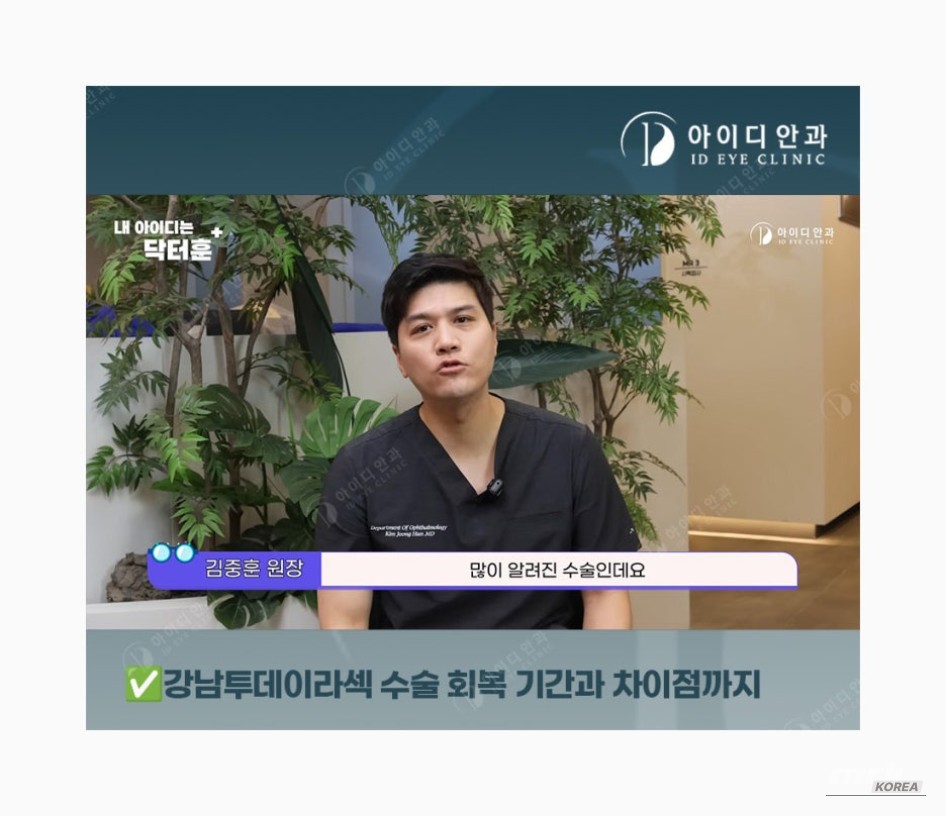
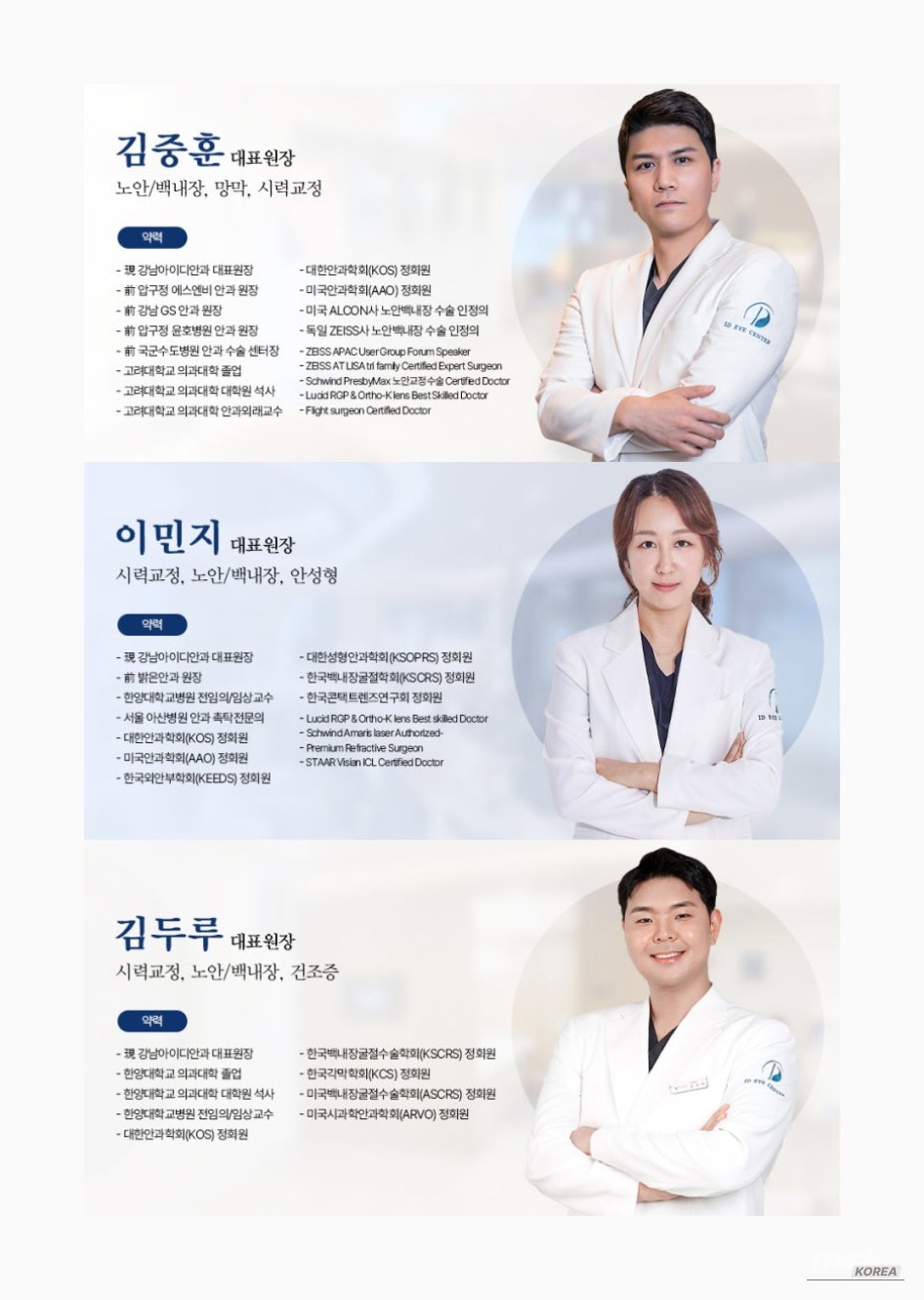
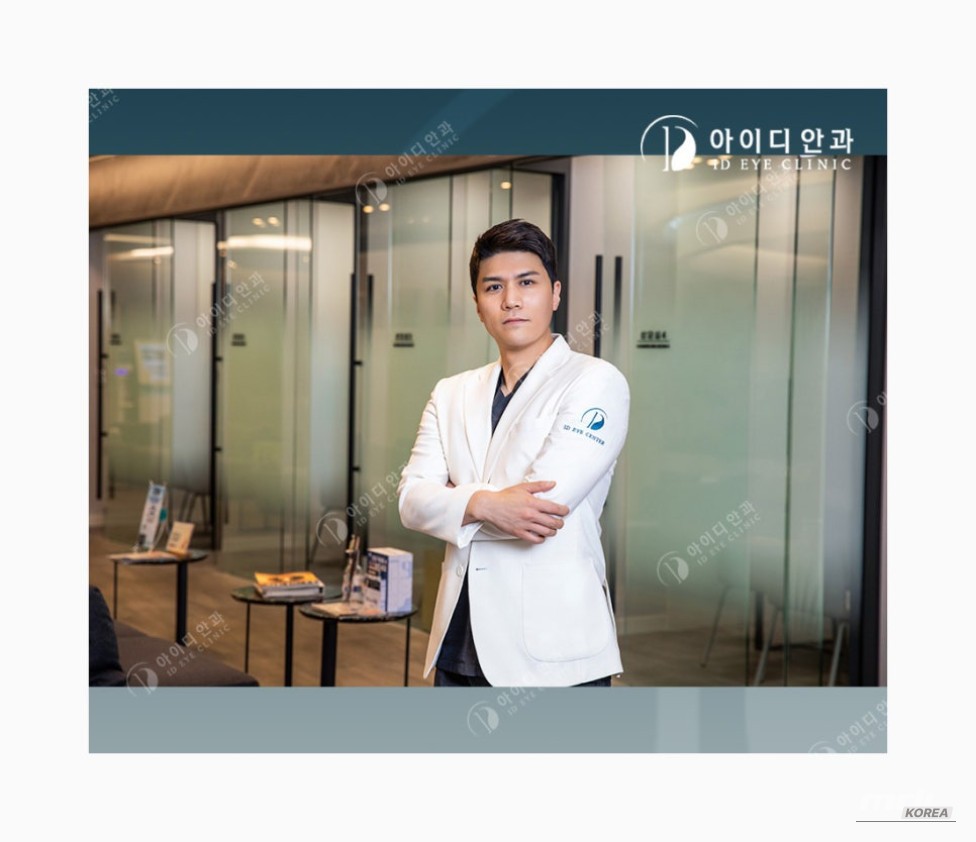
I'm Kim Joong-hoon, Head Director of Gangnam ID Eye Clinic.
I'm greeting you again today.
If you experience vision deterioration from a young age,
you typically try to correct your vision
using glasses or contact lenses.
Many people who have worn thick glasses and lenses
since their school days look into vision correction surgery
as adults.
The eyes are one of the most important sensory organs for humans, serving not only as a window to the world but also directly impacting academics,
career, social life, and overall relationships.
Therefore, if you've decided to improve your vision, I would advise you to find a method suitable for you through a thorough examination.
So, today, we'll explore LASIK and LASEK, which are the most commonly considered options,
and we'll also take the time to learn more about Gangnam Today LASEK,
which many people have been inquiring about.
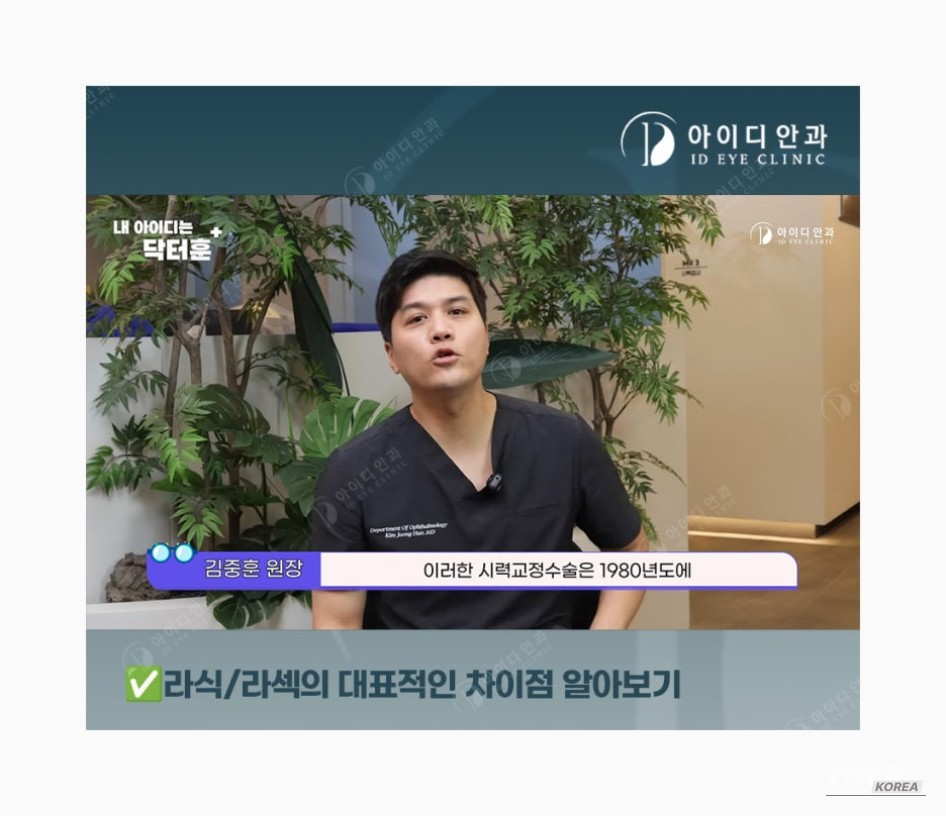
“Exploring the Key Differences Between LASIK and LASEK”
LASIK and LASEK surgeries are the most common methods
for restoring vision, using lasers to correct refractive errors
such as myopia, astigmatism, and hyperopia by irradiating the cornea.
LASIK and LASEK are similar in that they both correct vision
by irradiating the corneal stroma with a laser.
However, LASIK involves creating a corneal flap
before irradiating the corneal stroma with a laser,
while LASEK corrects vision by removing the corneal epithelium
without creating a corneal flap.
These differences affect pain and recovery speed.
LASIK, which creates a corneal flap,
has less pain and faster recovery,
but it is vulnerable to external impact and has a higher
risk of complications such as dry eye.
On the other hand, LASEK can cause pain during the recovery process
because it removes the corneal epithelium.
It is also more resistant to external impact than LASIK.
While both LASIK and LASEK may be difficult to perform
if the cornea is too thin or if there is severe myopia or astigmatism,
LASEK can secure relatively more residual cornea.
If you are looking for a method with less pain, faster recovery,
and a wider correction range prior to vision correction surgery,
I can recommend that you look into all-laser LASEK, which is a more advanced option.
“What is Different About All-Laser LASEK?”
All-laser LASEK, which enhances precision and stability,
can be considered even in cases of thin corneas and severe myopia or astigmatism,
offering a wide range of correction options.
It is a popular choice these days
because it corrects vision using only lasers
for all processes, rather than physical methods
such as alcohol or brushes.
It is characterized by reducing the area of corneal epithelium removal,
reducing inflammation and pain, and lowering the possibility of side effects
such as corneal opacity and myopic regression,
while improving the quality of vision by forming a smooth flap shape.
In addition, it is possible to shorten the vision correction procedure time
and improve complications such as corneal opacity and dry eye.
It can reduce irritation to the cornea,
making it a recommendable option for students, office workers,
or those with active professions
who are sensitive to severe pain or need a quick recovery.
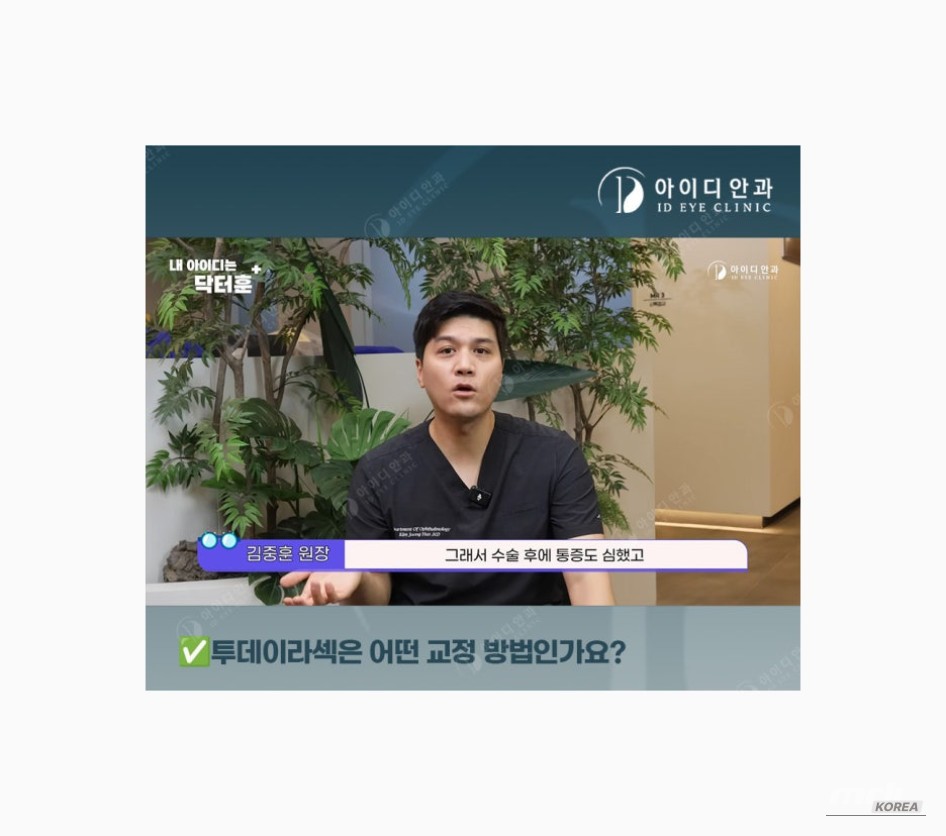
"What Kind of Correction Method is Today LASEK?"
Gangnam Today LASEK, which complements the shortcomings of existing LASIK and LASEK,
uses the Amaris Red laser to reduce corneal damage
by cutting the corneal epithelium and stroma at once
without distinguishing between them.
Because it uses an excimer laser to cut from the corneal epithelium
to the stroma at once without the use of tools or drugs in the process,
it enables more precise and stable vision correction.
In addition, it utilizes a 7-dimensional eye-tracking system,
which can predict and quickly respond to eye movements
during the procedure, reducing errors during correction.
Since no flap remains, it is resistant to external impact.
It cuts the cornea with approximately 3.5 times higher
precision compared to existing methods
using a 0.54mm ultra-precise laser.
It also reduces the risk of various side effects
such as dry eye, glare, corneal opacity, and myopic regression
by minimizing the damaged area of the cornea,
thereby improving accuracy and safety.
In addition, an ultra-precise energy dispersion system is applied
to reduce heat damage.
It prevents heat from being repeatedly applied
to the area where the laser touches,
reducing heat damage during the procedure.
As such, it can reduce the corneal incision area by about 40%,
reducing damage to the corneal nerves.
A quick recovery is one of the important advantages.
Since 'quality of vision' has become a key factor
in choosing vision correction surgery,
I would advise you to carefully compare and check
before proceeding.
"What are the Precautions Before and After Gangnam Today LASEK?"
If you are planning Gangnam Today LASEK, you must follow
the precautions before and after the vision correction surgery
to expect satisfactory results.
First, you must stop wearing lenses before the procedure.
This is to prevent deterioration of the eye condition
due to the lenses and to proceed with vision
correction in good condition.
It is necessary to stop wearing soft lenses 1 week before,
and toric lenses and hard lenses 2 weeks before.
After vision correction, symptoms such as
eye stinging, pain, foreign body sensation,
and tearing may appear for 2-3 days.
Therefore, it is good to instill the prescribed eye drops well
and refrain from touching the eyes for 4-5 days.
It is also good to wear sunglasses
to avoid strong UV rays for about 3 months,
and it is advisable to visit an ophthalmologist
regularly during the recovery period to check for changes in vision.
“The Process and Method of Choosing a Vision Correction that Fits Your Eyes”
The value of vision correction surgery is not limited to simply
getting rid of glasses or lenses.
In that it can reduce restrictions due to vision
in various aspects of daily life such as outdoor activities, exercise, job performance, and travel,
the changes after vision correction can directly affect
the convenience and satisfaction of life.
Therefore, vision correction is not just a simple
vision recovery, but an important decision
that improves the quality of life.
Finding a method that suits your eye condition
through sufficient consultation and examination
is the first step to making your life more clear
and comfortable in the future.
As each person's suitable method differs depending on their
individual eye condition and circumstances,
if you are considering vision correction surgery,
it is essential to undergo a thorough examination
and have sufficient consultation to find the most suitable method.
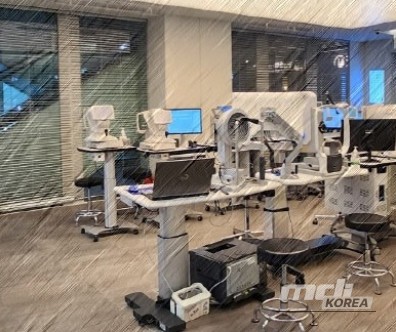
For safer procedures, it is essential to check whether a detailed eye examination
is performed, whether the medical staff is experienced,
whether the equipment used is up-to-date,
and whether systematic aftercare is provided.
Consider these factors and choose a place
that can provide vision correction surgery suitable for you.
Thank you for reading this long article.
This was Kim Joong-hoon, Head Director of Gangnam ID Eye Clinic.





































Source :https://blog.naver.com/tkatlrltkatl/224041986341
No comments yet.