Faded Colors? Find the Best Cataract Surgery Clinic



As we journey through life, from infancy to adolescence and old age, our bodies undergo various changes. In our later years, we become more susceptible to age-related conditions, requiring increased attention to our health. Aging is a gradual process where our body's structure and functions decline. By the time we reach 40 or older, we may notice more gray hairs, deeper wrinkles, and reduced physical stamina. These are natural parts of life, but age-related changes in the eyes can lead to vision deterioration and conditions like presbyopia (age-related farsightedness) and cataracts, necessitating careful monitoring.
1. What is Presbyopia?
Presbyopia occurs when the lens inside the eye loses its ability to adjust focus for near vision. This happens because the muscles around the lens weaken with age. You may have noticed your parents holding their smartphones or books at arm's length to see them clearly. This is a common sign of presbyopia. People with presbyopia often struggle to see objects clearly within 25-30cm, and their vision may worsen when they are tired. They may also experience delayed focus transitions, which can be inconvenient in daily life.
To correct presbyopia, you can use reading glasses for simple vision correction. However, if you experience dizziness from high-prescription glasses or find them cumbersome during sports activities, surgical options are available. If glasses are not bothersome, surgery is not always necessary.
2. Surgical Options for Presbyopia
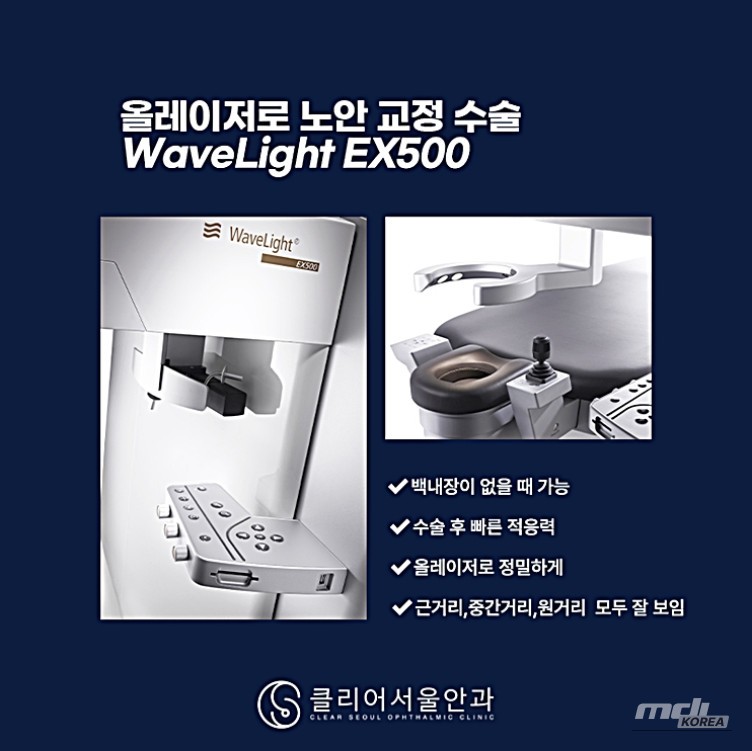
Laser surgery is one method to correct presbyopia. This procedure uses an excimer laser to reshape the cornea, improving vision at near, intermediate, and far distances. It is a popular choice because it is an all-laser procedure, reducing the chance of errors and minimizing unnecessary corneal tissue removal, which lowers the risk of side effects and promotes faster adaptation and recovery. Many patients experience improved vision as early as the day after surgery, allowing them to quickly return to their daily routines.
Sometimes, patients who visit the eye clinic for presbyopia may request LASIK or LASEK, which involve corneal reshaping. While these procedures can improve vision, they may not be the best option for age-related vision decline. LASIK and LASEK primarily correct refractive errors like myopia, hyperopia, and astigmatism and may not provide long-term solutions for presbyopia. Therefore, laser surgery is the most suitable surgical method for age-related vision problems.
In some cases, presbyopia may occur alongside cataracts. Cataracts are characterized by clouding of the natural lens, making it difficult to improve vision through corneal reshaping alone. In such cases, removing the clouded lens and replacing it with an artificial lens is necessary.
3. Causes of Cataracts
Cataracts typically develop in the mid-60s or later. The lens gradually becomes cloudy, preventing light from passing through the eye properly, which results in blurred or hazy vision. Because this process is slow, early symptoms may be mistaken for fatigue. Therefore, regular eye check-ups with a recommended cataract specialist are essential, even if you do not notice any unusual symptoms.
While aging is responsible for over 70% of cataract cases, other factors can also contribute. These factors are divided into congenital and acquired causes. Congenital cataracts, often with unknown causes, require early detection. They can be related to genetics, prenatal infections, or chromosomal abnormalities. Some infants are born with cataracts, and those with a family history of the condition may develop it at a younger age, making regular check-ups crucial. Acquired cataracts can result from eye injuries, diabetes complications, or long-term use of steroid medications. Excessive sun exposure and nutritional deficiencies can also play a role.
4. Symptoms of Lens Opacification
As the lens becomes increasingly opaque, various symptoms can arise, impacting daily life. If these symptoms become bothersome, it may be time to consider cataract surgery. In the intermediate stages, you may experience double vision or improved near vision at night (night myopia). You may also notice increased glare from indoor lighting, and corrective lenses may no longer be effective. A sudden onset of nearsightedness can also occur, which is caused by changes in the central part of the lens. It is important to recognize this as a symptom of cataract progression and seek timely care from a recommended cataract specialist.
Cataract surgery is not usually performed immediately after diagnosis. Instead, doctors monitor the condition and may prescribe medications to slow the progression of clouding. If these treatments are effective, surgery may be postponed. However, if symptoms worsen, impacting your quality of life, or if your vision drops below 0.4, it's time to consider cataract surgery.
5. Proper Surgical Procedure
Cataract surgery involves removing the clouded lens and replacing it with an artificial lens to restore vision. The procedure is performed through a small 2-3mm incision in the cornea. Due to the small size of the incision, recovery is typically quick, and hospitalization is not required, allowing patients to return home on the same day. However, it is crucial to rest and take care of your eyes to ensure proper healing.
6. Important Considerations When Choosing an Artificial Lens
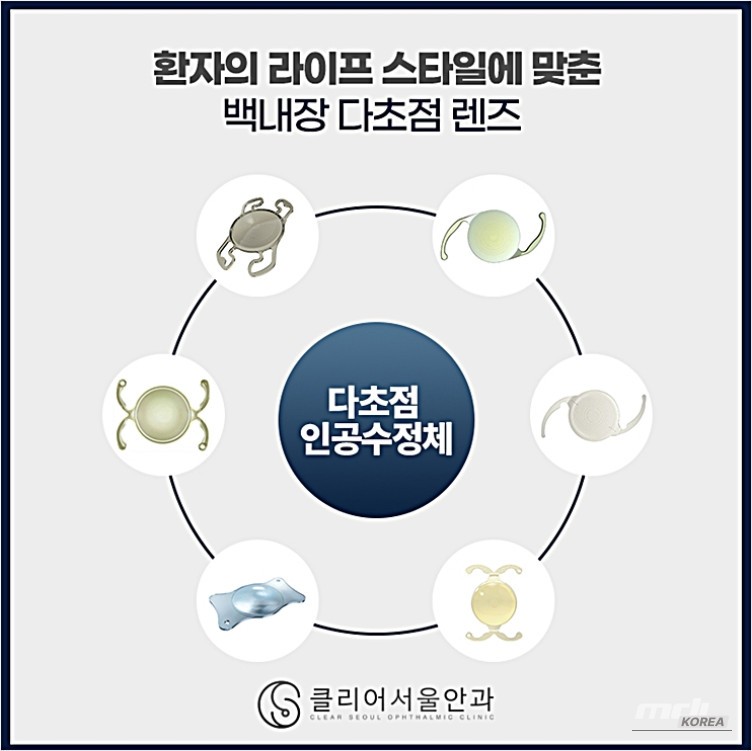
There are many types of artificial lenses available, so careful consideration is essential. When considering surgery, many people focus on the cost. However, selecting the right artificial lens is just as important as determining the appropriate time for surgery. Artificial lenses are divided into monofocal lenses, which correct vision at one distance, and multifocal lenses, which correct vision at all distances. Multifocal lenses are often recommended for patients with both presbyopia and cataracts because they can correct for age-related farsightedness, cataracts, and astigmatism simultaneously. However, they may be more expensive than monofocal lenses.
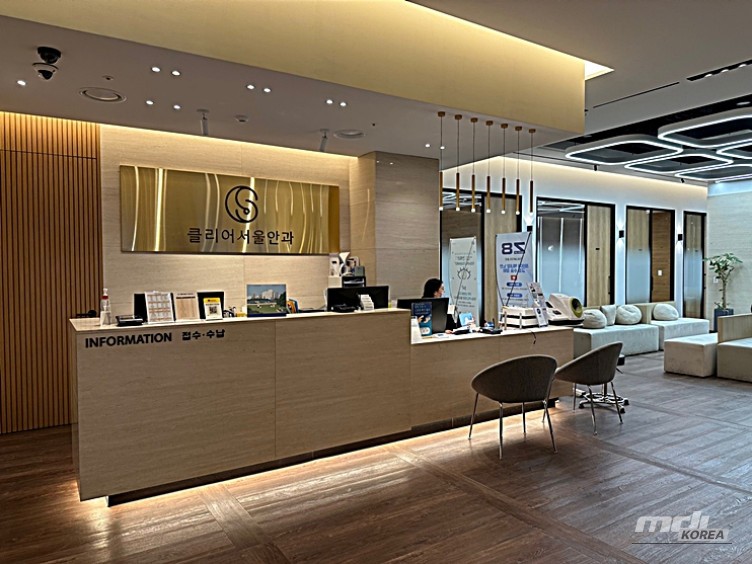
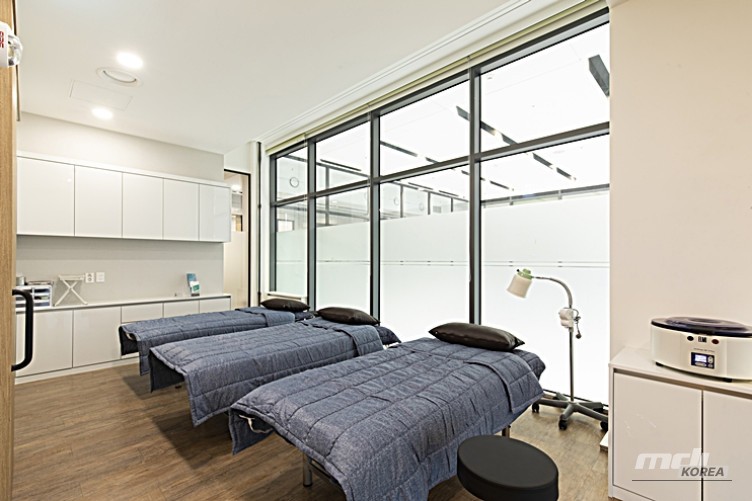
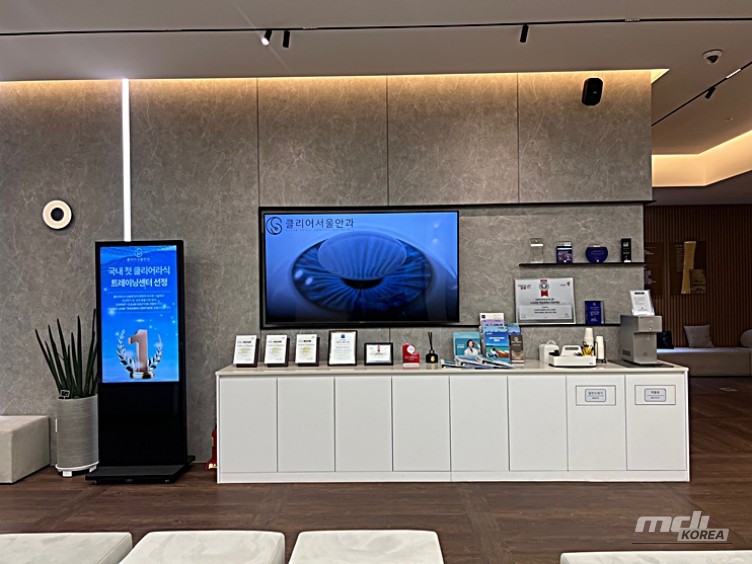
When looking for a cataract specialist due to age-related vision changes, consider several factors. Ensure the medical team has extensive clinical experience, a deep understanding of the surgical equipment, and a well-equipped facility. Also, check if they offer a systematic post-operative care program and have a variety of artificial lenses available. Choosing the right specialist requires careful evaluation of these aspects.
Cataract surgery is the most commonly performed surgery worldwide and is essential for many people. Ignoring the symptoms of cataracts can lead to complications like glaucoma, which can cause vision loss, and in rare cases, blindness. Early detection is crucial for managing this eye condition. Do not neglect regular eye exams, and take proactive steps to protect your eye health.























Source :https://blog.naver.com/whgus4231/224012679528
No comments yet.