Excessive Tearing with Eye Fatigue and Dry Eye Symptoms: Causes and Solutions


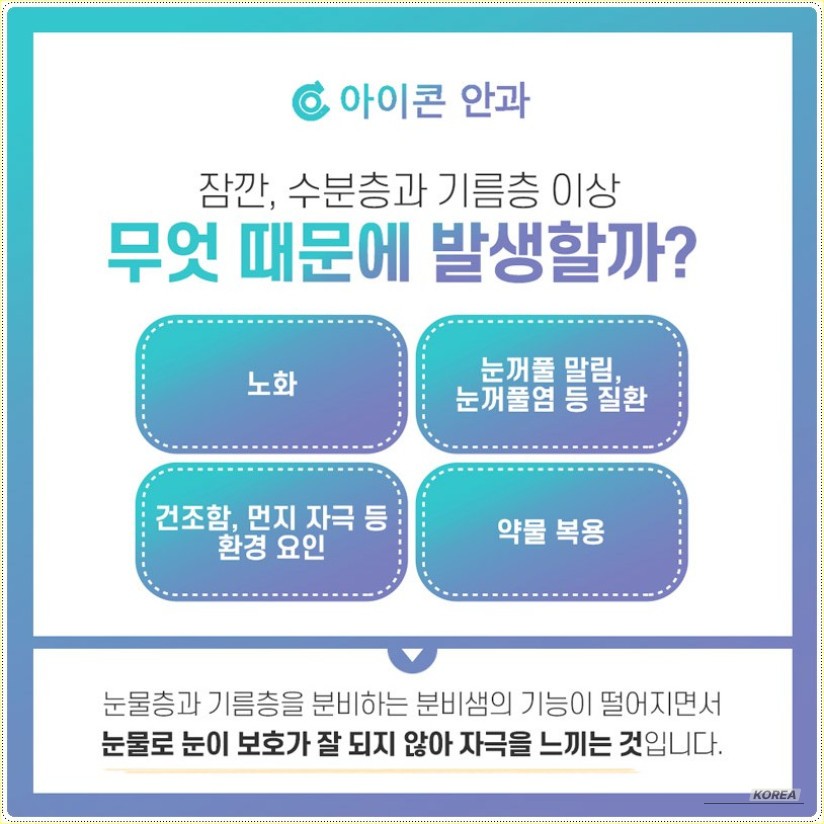
Many people experience excessive tearing even when their eyes feel dry. This occurs because the tear film, which is supposed to protect the eye's surface, isn't functioning correctly. When tears don't perform their role adequately, the conjunctiva becomes sensitive and reacts strongly to even minor stimuli. Consequently, the body produces excessive tears as a protective response.
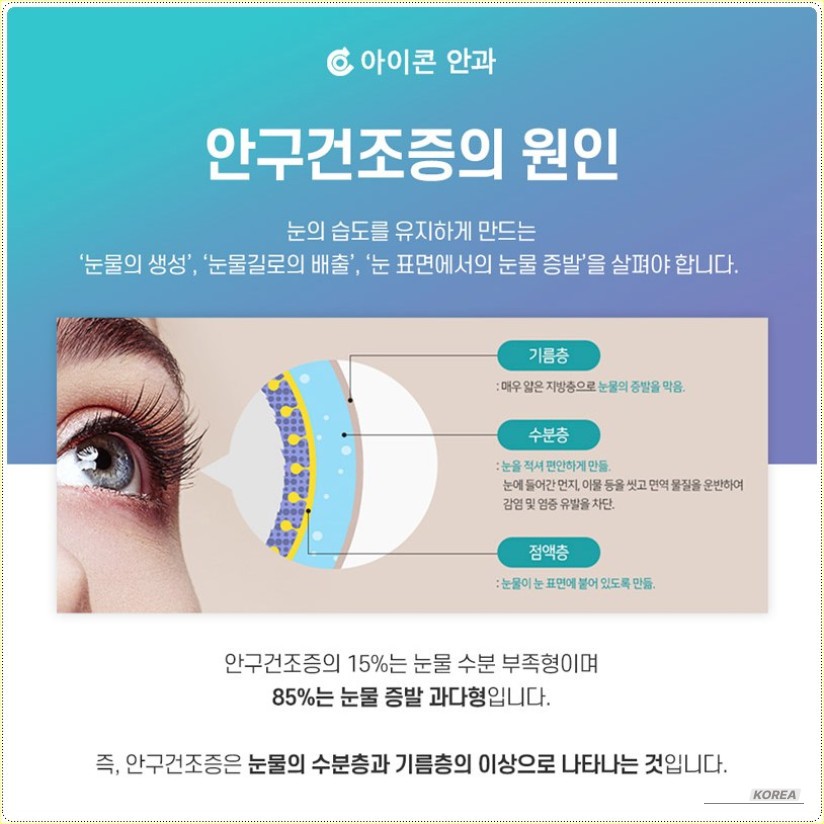
There are two main types of dry eye:
"About 15% are due to insufficient tear production, while the remaining 85% are caused by excessive tear evaporation."
This imbalance often stems from a disruption in the ratio of water and oil in tears, with aging being a primary factor.
Age-Related Decline in Tear Gland Function
Aging is a natural process. As the body's functions gradually weaken over time, so does the function of the glands that produce tears. This can lead to insufficient tear production, leaving the eyes vulnerable and causing various irritation symptoms. Persistent symptoms can result in severe eye fatigue and discomfort in daily life.
Regular eye exams and appropriate treatment are crucial. Fortunately, various treatments are available to manage these symptoms.
The Role of Tears and Problems Caused by Imbalance
Tears protect the ocular surface and lubricate the eye for smooth movement. They also contain immune substances that help maintain a stable and comfortable state. When the tear composition is unbalanced, it can lead to rapid evaporation or reduced secretion, resulting in dry eye disease.
It’s important to address eye discomfort promptly. Neglecting it can worsen symptoms, leading to severe eye fatigue and even headaches.
Eye Discomfort and Sensitivity to Wind
Common symptoms include:
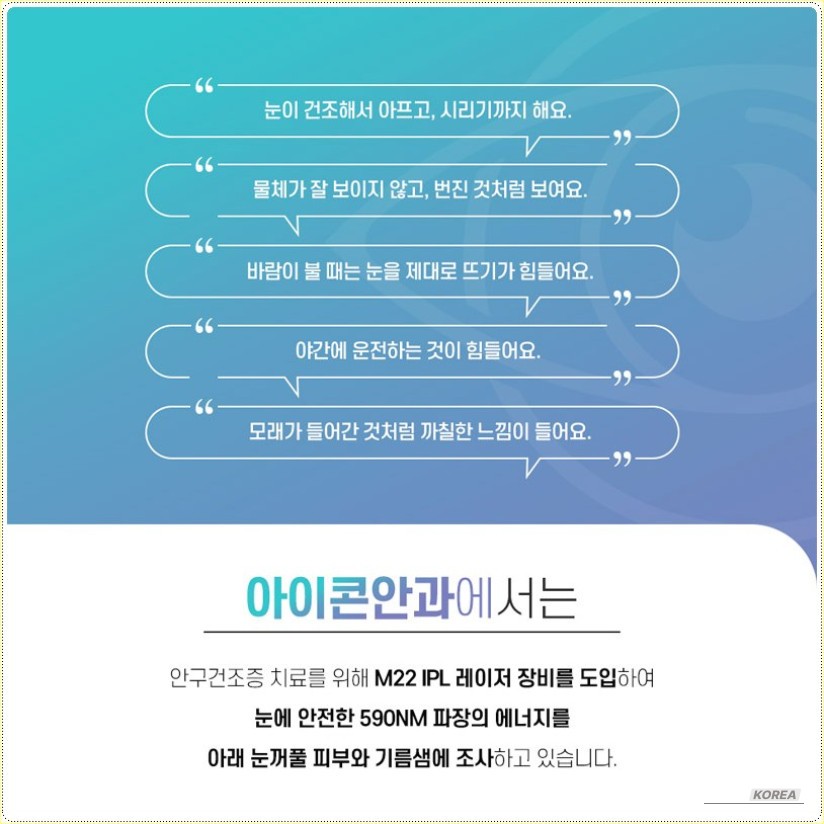
1) Stiff eyes or excessive eye discharge in the morning, making it difficult to open the eyes.
2) Difficulty opening the eyes in windy conditions and excessive tearing.
3) Sudden blurred vision or sensitivity to light.
4) Rapid eye fatigue and difficulty focusing on computer or smartphone screens.
5) A gritty or foreign body sensation in the eyes, along with redness.
6) Stringy, clear discharge that causes irritation and a foreign body sensation.
7) Eye pain or a perceived decline in vision.
Importance of Artificial Tears and Meibomian Gland Management
Artificial tears can provide temporary relief by supplying moisture to the eyes. However, it's crucial to use the right type of artificial tears for your specific condition. Consult with an eye care professional to determine the most suitable product.
※ Note: Artificial tears alone may not resolve all issues, depending on the underlying cause.
If evaporation is rapid despite moisture replenishment, addressing the meibomian glands or oil layer is necessary. Ignoring early symptoms of eye disease can lead to headaches, functional decline, and eye fatigue, impacting daily life.
Utilization of Complex Wavelengths Unlike General Lasers
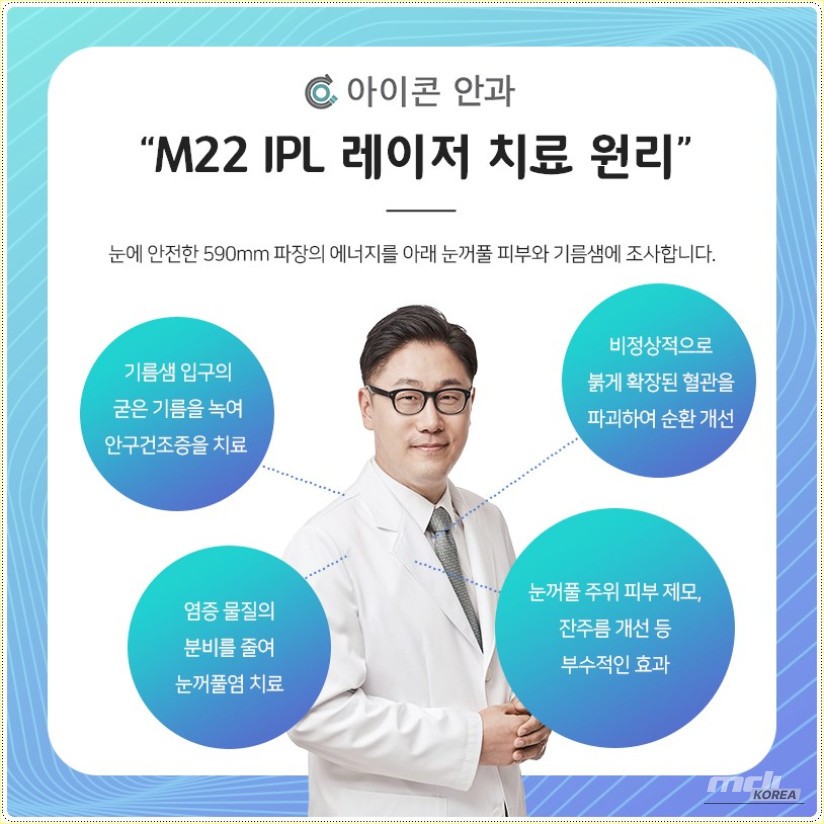
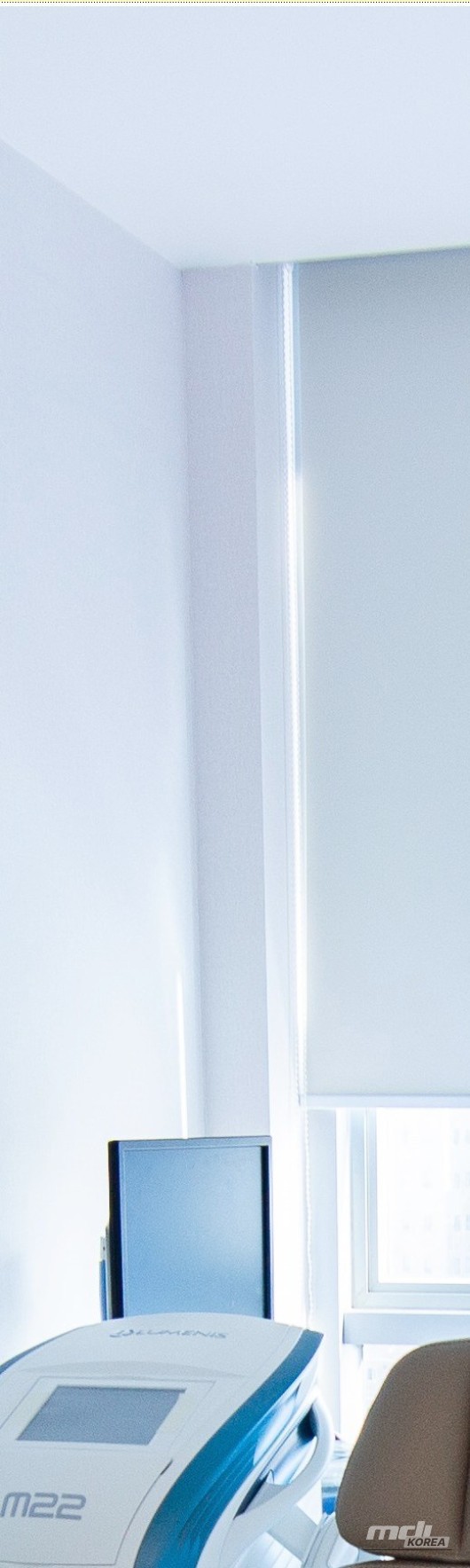
The M22 IPL laser is an FDA-approved, safe treatment with proven efficacy. Originally used in dermatology, it is now applied in ophthalmology. This laser can also improve blood flow. Unlike general lasers that use a single wavelength, IPL utilizes multiple wavelengths simultaneously to effectively address various issues.
The 3rd generation diagnostic equipment, M22 IPL laser, allows for more detailed and objective results. Medical professionals provide diagnoses and prescriptions based on anatomical knowledge and clinical experience. Consistent management is important to maintain smooth eye function beyond temporary relief.






Source :https://blog.naver.com/iconiconeye/224028893723
No comments yet.