Dry Eye Syndrome: Why Do My Tears Keep Evaporating?


In modern society, dry eye syndrome has become a prevalent health issue. Many individuals who seek ophthalmological care due to sudden blurred vision or eye discomfort are diagnosed with dry eye syndrome rather than vision problems. Approximately 20% of the world's population suffers from this condition, and the percentage is steadily increasing.
The causes of dry eye syndrome are complex, primarily stemming from excessive tear evaporation or insufficient tear production. This leads to damage on the ocular surface, resulting in various uncomfortable symptoms such as stinging, irritation, a gritty sensation, and dryness. Consuming foods rich in nutrients beneficial for eye health can be a natural and effective way to alleviate these symptoms.
The Key: Incorporating Nutrients for Eye Health into Your Diet
The factors contributing to dry eye syndrome are extensive, ranging from individual lifestyle habits to environmental elements:
✔ Natural aging process
✔ Prolonged use of digital devices
✔ Dry indoor environments
✔ Continuous wearing of contact lenses
Recently, fine dust has emerged as a new risk factor. Fine dust can directly damage the tear film and irritate the ocular surface, exacerbating dryness.
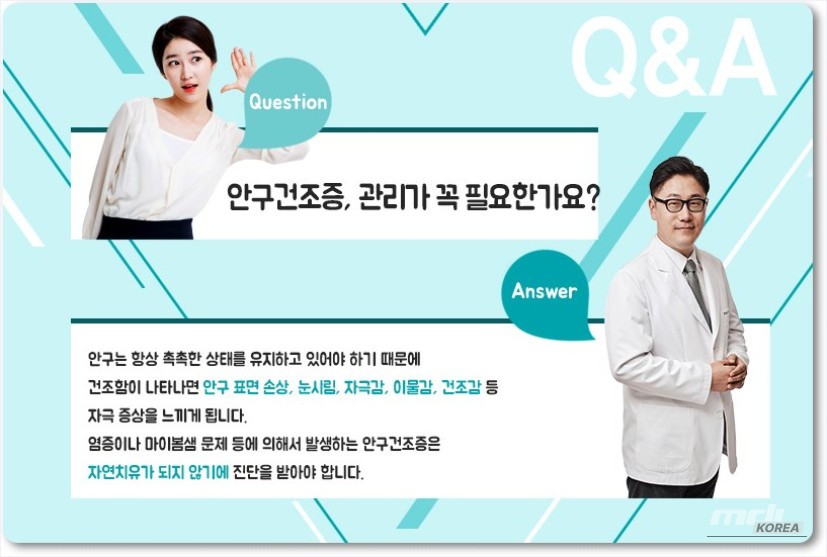
When dry eye syndrome occurs due to these complex factors, it can become difficult to open the eyes properly and can negatively affect vision. In severe cases, it can lead to corneal inflammation or ulcers. Therefore, including nutrients that promote eye health in your daily diet is crucial for eye care.
The Impact of Tear Composition and Balance on Eye Health
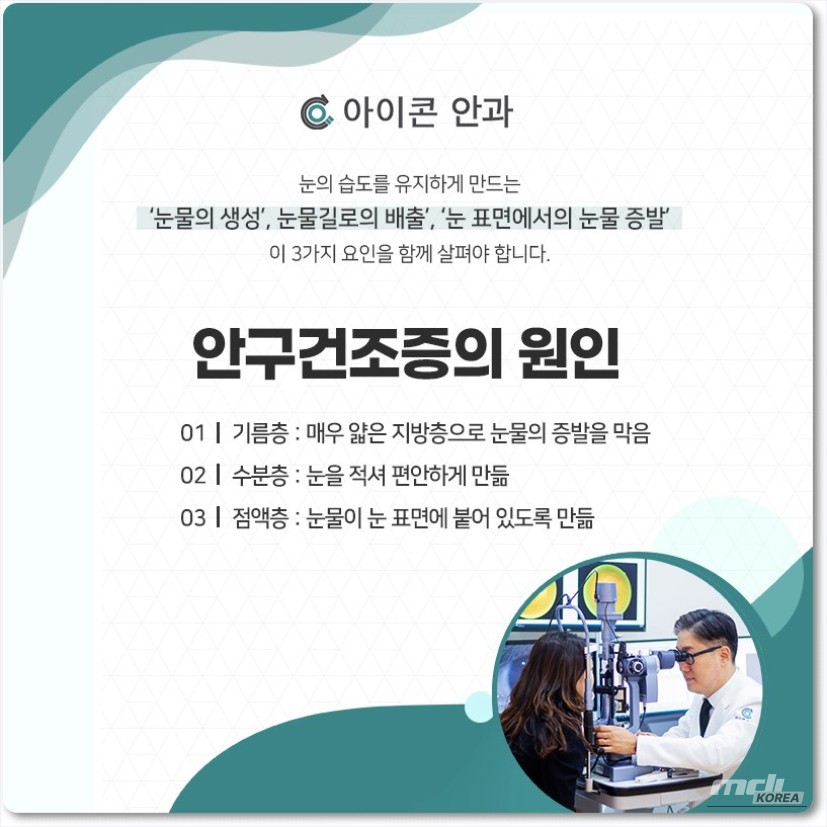
Tears are not just a means of expressing emotions; they are essential for maintaining eye health. Tears protect and nourish the ocular surface and remove foreign substances. Structurally, tears consist of three layers:
"The mucin layer ensures even distribution of tears on the ocular surface, the aqueous layer keeps the eye moist and provides nutrients, and the lipid layer prevents tear evaporation."
An imbalance in these three layers can lead to dry eye syndrome. In particular, as aging progresses, the function of the meibomian glands deteriorates, causing problems with lipid layer production and leading to rapid tear evaporation. In this situation, consuming appropriate nutrients can help improve the quality and quantity of tears, alleviating dry eye symptoms.
A Comprehensive Approach: From Artificial Tears to Lifestyle Improvements
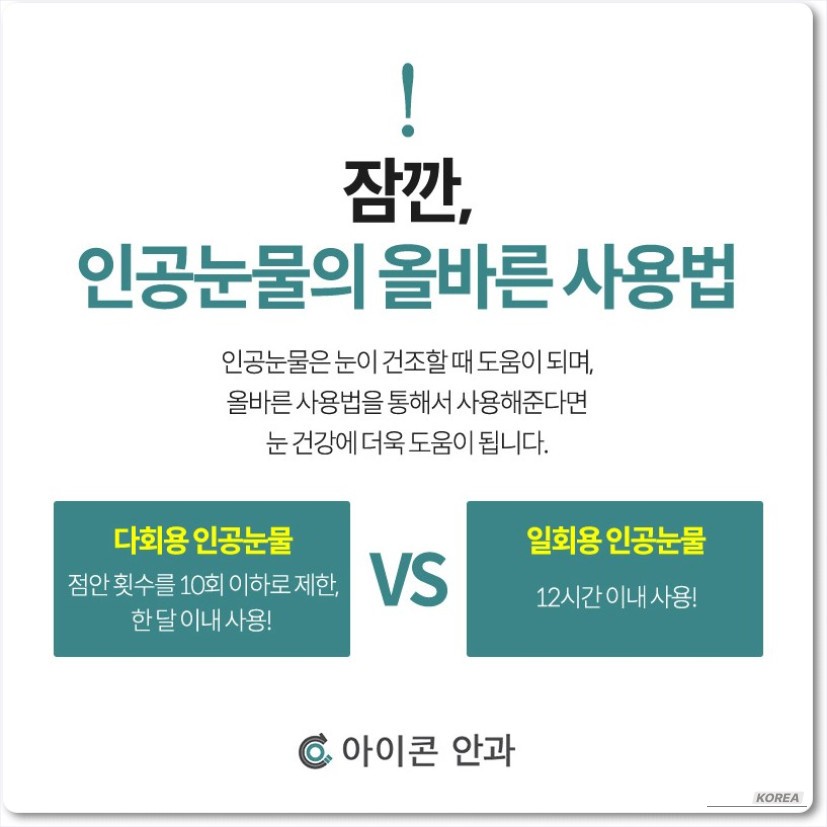
The initial stage of managing dry eye syndrome often begins with the use of artificial tears. Artificial tears temporarily replenish moisture on the ocular surface, reducing discomfort. However, this is not a fundamental solution, so a more comprehensive approach is needed.
Lifestyle modifications are also important. Consciously blinking while using digital devices, maintaining adequate indoor humidity, and drinking enough water can be helpful. Additionally, massaging the eye area can activate the function of the meibomian glands. However, if symptoms persist or worsen, it is essential to seek a thorough diagnosis and appropriate treatment from a healthcare professional.
Considering Various Treatment Options: From Artificial Tears to IPL Laser Therapy
Accurate diagnosis is essential for effective management of dry eye syndrome. Currently, various diagnostic equipment can comprehensively assess tear quantity and quality, tear film condition, and meibomian gland function. T-OCT scans and corneal topography can precisely observe the tear film condition and changes in the ocular surface. Based on these test results, an appropriate treatment method can be selected for each individual.
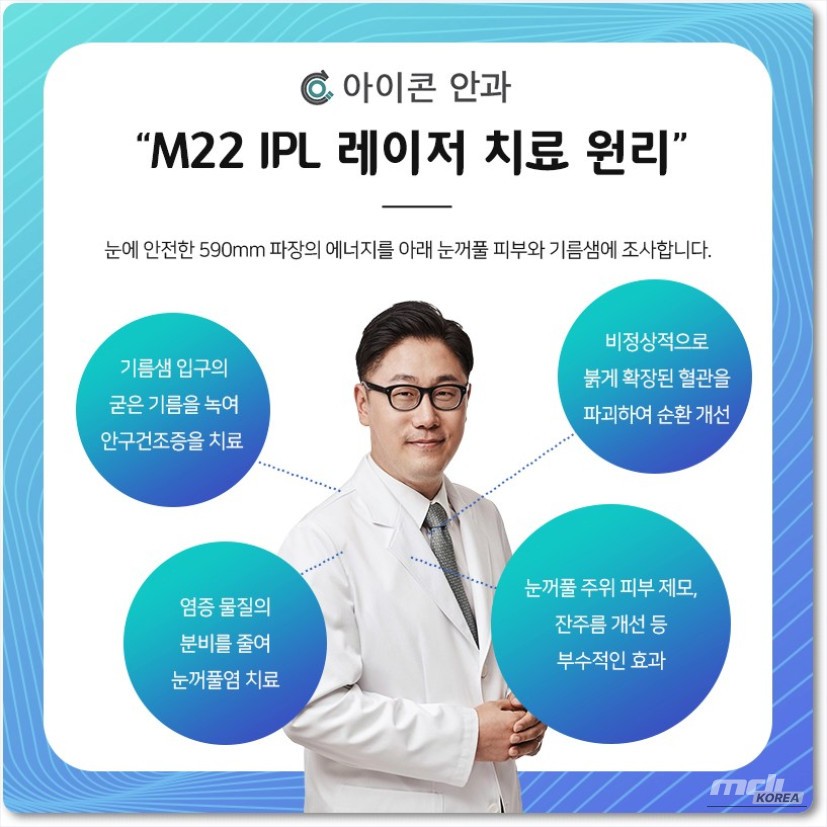
Treatment options range from artificial tears and anti-inflammatory treatments to eyelid hygiene management and, currently, IPL laser therapy. IPL laser therapy can help improve meibomian gland function and reduce inflammation, improving tear quality. It is important to establish a personalized treatment plan based on the cause and severity of dry eye symptoms.
Lifelong Management of a Chronic Condition: Consistent Care is Key
Dry eye syndrome is a chronic condition where consistent and systematic management is more important than complete cure. Small practices in daily life can have significant long-term effects.
First, consciously make regular blinking a habit.
Second, maintain indoor humidity at an appropriate level of 40-60%.
Third, consistently consume foods rich in omega-3 fatty acids and vitamins A, C, and E.
Fourth, strive for early detection and management through regular eye exams.
Fifth, relieve eye fatigue through sufficient sleep and rest.
Sixth, protect your eyes from ultraviolet rays by wearing sunglasses or a hat when going out.
Seventh, adjust the time spent using digital devices and practice the 20-20-20 rule.
These small practices can collectively become a strong defense to protect long-term eye health. Above all, consistent attention and care are key to maintaining healthy eyes.

















Source :https://blog.naver.com/iconiconeye/224021736036
No comments yet.