Dry Eye Syndrome: Understanding the Importance of Tear Film Balance and Treatment Options



Dry eye syndrome, experienced by 1 in 5 people worldwide, is more than just a minor inconvenience; it can develop into a serious eye condition. It's crucial not to dismiss dry eyes, as neglecting them can lead to corneal damage and vision impairment. The condition arises when insufficient tears are produced to protect the eye's surface, or when tears evaporate too quickly, leading to various uncomfortable symptoms.
Dry eye syndrome primarily results from reduced tear production or excessive tear evaporation, constantly irritating the eye surface. Recent advancements in precise diagnostics allow for identifying individual causes and tailoring treatments accordingly.
Factors Contributing to Dry Eye:
Several factors can trigger dry eye syndrome:
❚ Aging: Tear production naturally decreases with age.
❚ Environmental Factors:
Fine Dust: Damages the tear film.
Dry Indoor/Outdoor Air: Worsens symptoms.
❚ Lifestyle Habits:
Prolonged Smartphone/Computer Use: Reduces blinking frequency.
Contact Lens Wear
❚ Health Factors: Immune system abnormalities.
If dry eyes are left unaddressed, corneal abrasions, inflammation, and even corneal ulcers can develop. Therefore, early intervention is essential.
Key Signs to Watch Out For:
Early signs of dry eye syndrome are easily noticeable in daily life:
Eyes feel gritty and painful in the morning.
Eyes feel irritated and sensitive to wind.
Blurred vision and increased eye fatigue after prolonged screen use.
Sensitivity to light.
Foreign Body Sensation: Persistent feeling of grit in the eyes.
If these symptoms persist, it's advisable to undergo a comprehensive eye exam. Tests such as tear production measurement, tear film stability assessment, and corneal evaluation can help determine the severity of the condition and guide personalized treatment strategies.
The Importance of Tear Film Layers:
Maintaining healthy eyes requires adequate tear production and balance. Tears aren't just water; they consist of three crucial layers: the mucin layer, the aqueous layer, and the lipid layer.
❓ Mucin Layer: Helps tears spread evenly across the cornea.
❓ Aqueous Layer: Removes foreign substances and nourishes the cornea.
❓ Lipid Layer: Prevents tear evaporation.
As we age, the secretion of these components can become compromised, particularly the lipid component produced by the meibomian glands. Imbalances in these tear film layers are a primary cause of dry eyes, making the normalization of each layer's function a key treatment goal.
Limitations of Artificial Tears and the Need for Additional Treatment:
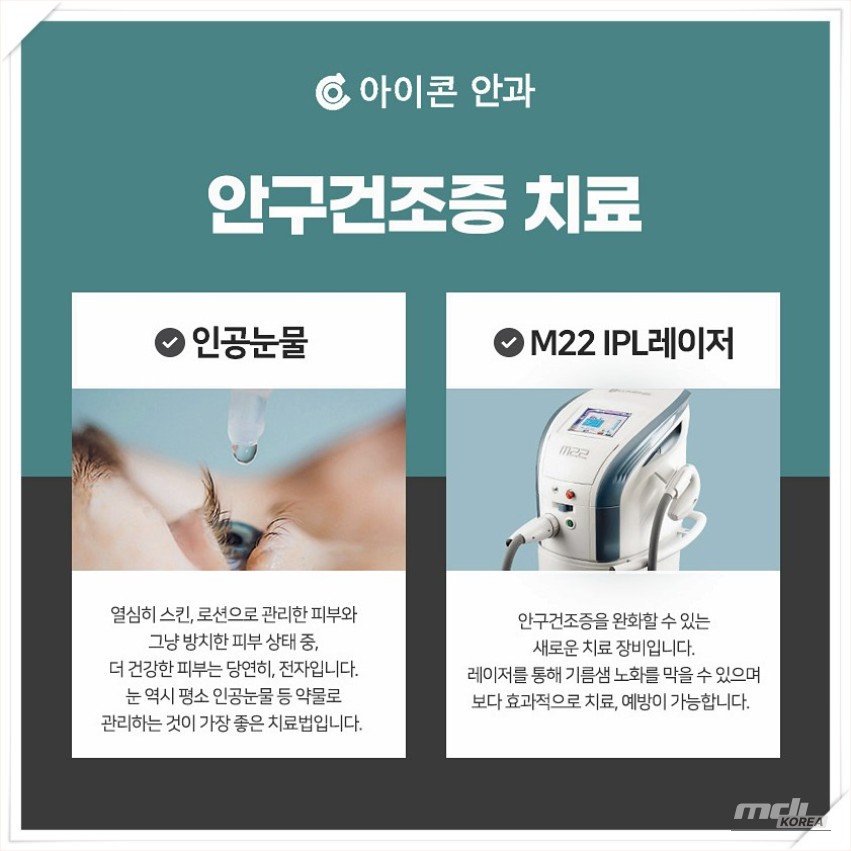
Artificial tears are a fundamental part of managing dry eye syndrome. They temporarily alleviate discomfort by moisturizing the eye surface and protecting minor corneal abrasions. However, artificial tears often fail to address the underlying causes.
In complex cases, such as dry eye caused by meibomian gland dysfunction or inflammation, supplementary treatments are necessary.
If symptoms persist or worsen, a thorough diagnosis is essential to identify the precise cause. This allows for selecting the most appropriate treatment, leading to more effective symptom relief. Artificial tears should be used as an adjunctive measure in the overall treatment plan.
Personalized Treatment Plans and Regular Check-ups:
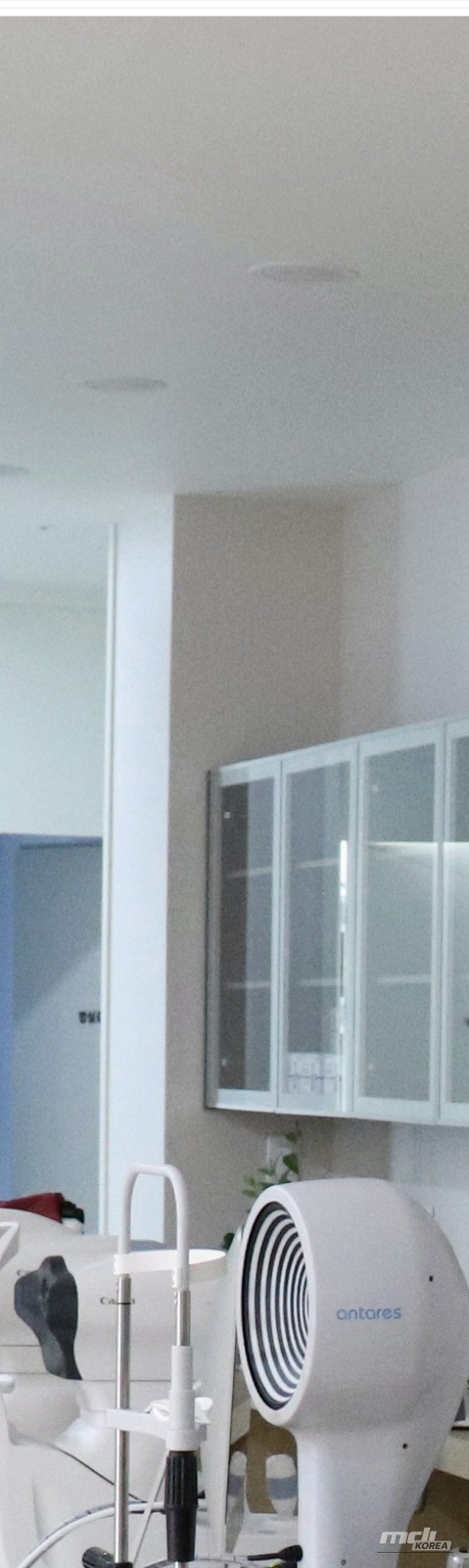
Early detection and treatment are crucial for dry eye syndrome. Chronic dry eye is more challenging to treat and increases the risk of complications like vision loss and corneal damage. Fortunately, advancements in medical technology, such as T-OCT and corneal topography, enable detailed analysis of the eye's condition.
❏ For meibomian gland dysfunction:
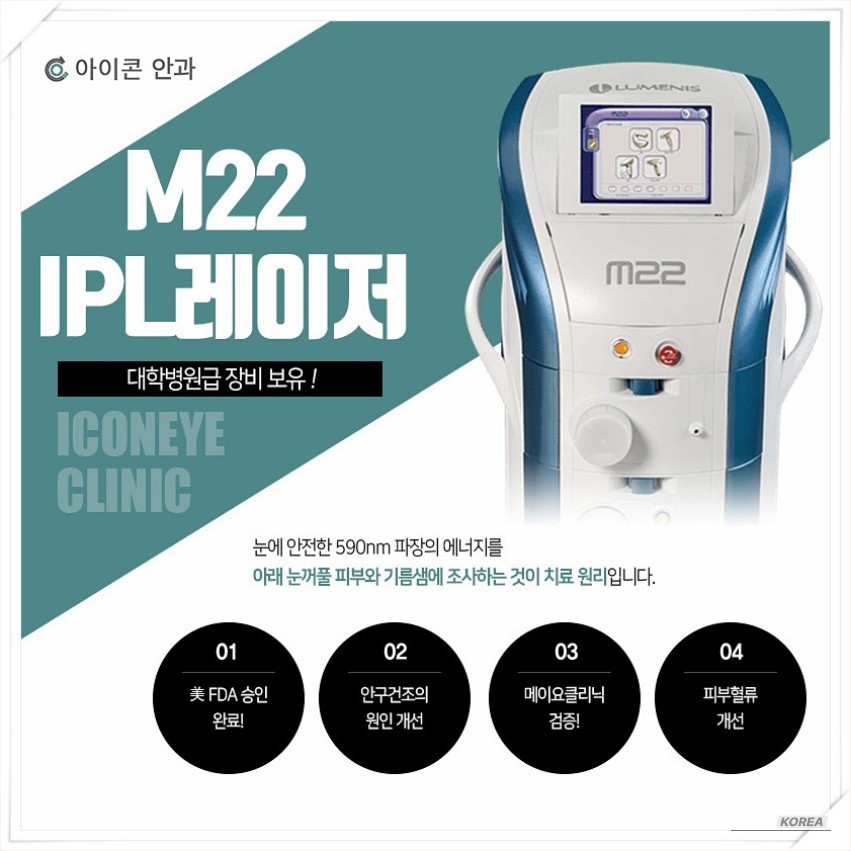
IPL laser therapy may be considered (FDA-approved, stabilizes tear film and reduces inflammation).
❏ For personalized treatment:
Medications, laser procedures, and punctal plugs can be combined based on individual causes and symptom severity.
Consistent management and regular check-ups are essential for maintaining healthy eyes. It's advisable to seek medical advice rather than ignoring symptoms.


























Source :https://blog.naver.com/iconiconeye/224081117927
No comments yet.