Dry Eye Syndrome: The Importance of Early Detection and Treatment



Dry eye syndrome, a common ailment among modern individuals, affects approximately 20% of the global population. While many people dismiss it as a mere symptom of dry eyes, it's crucial to recognize that neglecting proper management can lead to severe complications, making early detection and treatment essential.
The primary mechanisms behind this condition involve excessive tear evaporation and reduced tear production. This can damage the surface of the eye, resulting in various uncomfortable symptoms. If eye discomfort persists, a thorough examination is recommended to identify the underlying cause and receive appropriate treatment.
In severe cases, it can progress to corneal ulcers.
Several factors can impact eye health:
✅ Physiological Factors:
Aging: Tear production naturally decreases with age, leading to dry eyes.
????️ Environmental Factors:
Fine Dust: Directly damages the tear film, causing dry eye syndrome.
Dry Indoor/Outdoor Environments: Prolonged exposure to low humidity increases tear evaporation.
???? Lifestyle Factors:
Increased Digital Device Use: Reduced blinking frequency during screen focus leads to eye dryness.
Prolonged Contact Lens Wear: Can disrupt the tear film and irritate the eye surface.
???? Health Factors:
Autoimmune Diseases: Certain conditions like Sjogren's syndrome can impair tear gland function, causing dry eye syndrome.
These combined factors can lead to various complications, including corneal damage, vision impairment, and inflammation. In severe cases, corneal ulcers may develop.
Early Symptoms in Daily Life:
Early symptoms of dry eye syndrome are easily noticeable in daily life:
Dryness and pain in the eyes upon waking.
Eye irritation and discomfort in the wind.
Blurred vision and eye fatigue during prolonged screen use.
Increased sensitivity to light.
Persistent foreign body sensation in the eyes.
If these symptoms persist, various treatment options can be considered. Tests such as tear secretion measurement, tear film breakup time assessment, and corneal fluorescein staining can help determine the severity of the condition and guide the selection of the most appropriate treatment.
The Structure of Tears and the Role of Each Layer:
Maintaining healthy eyes requires adequate tear production and balance. Tears are not just simple water but complex biological substances composed of three layers: the mucin layer, the aqueous layer, and the lipid layer. Each layer has a unique function, and their harmonious interaction is essential for eye health.
▶️ Mucin Layer: Helps tears spread evenly across the cornea.
▶️ Aqueous Layer: Removes foreign substances and provides nutrients.
▶️ Lipid Layer: Prevents tear evaporation.
However, tear component secretion can become problematic with age, particularly abnormalities in the lipid layer secreted by the meibomian glands. Such changes can negatively impact eye health, making it crucial to maintain tear balance.
Limitations of Artificial Tears and the Need for Additional Treatment:
Artificial tears are a fundamental treatment for dry eye syndrome.
They provide moisture to the eye surface, temporarily alleviating discomfort and protecting minor damage to the corneal surface.
However, artificial tears alone may not address the underlying causes of dry eye syndrome, especially in cases caused by complex factors like meibomian gland dysfunction or inflammatory dry eye disease, where additional treatment may be necessary.
Artificial tears should be used as a supplementary treatment. If symptoms persist or worsen, it is important to identify the cause through a thorough examination and choose an appropriate treatment method. This approach allows for more effective management of dry eye syndrome.
The Importance of Early Diagnosis and Treatment:
Early detection and treatment of dry eye syndrome are crucial. Chronic dry eye syndrome can become more difficult to treat and may lead to serious complications such as vision loss or corneal damage.
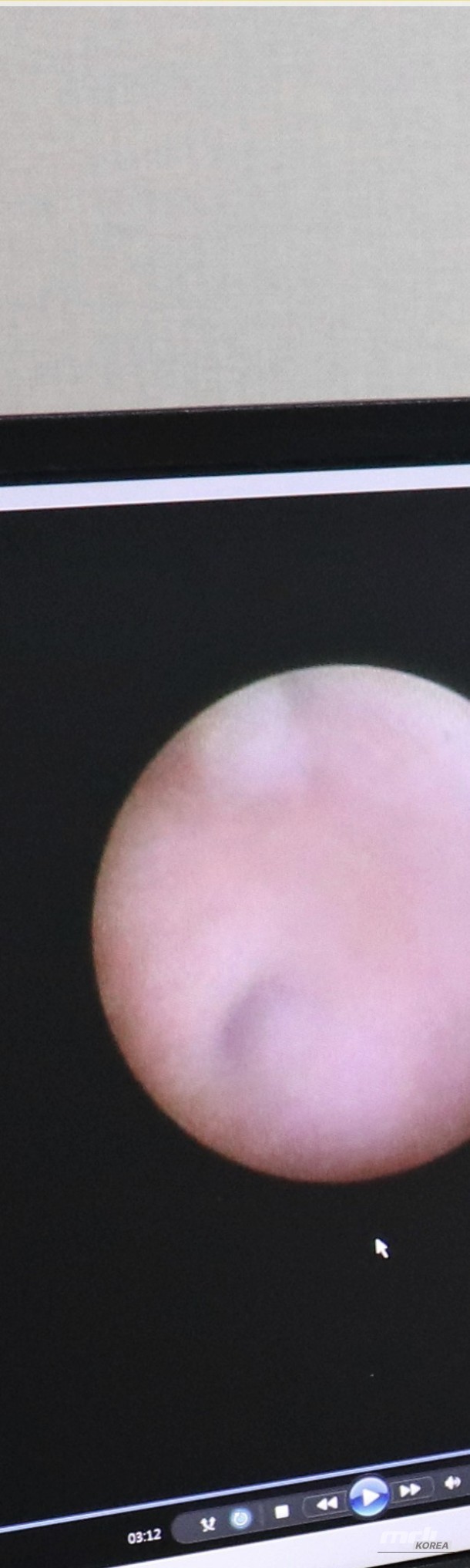
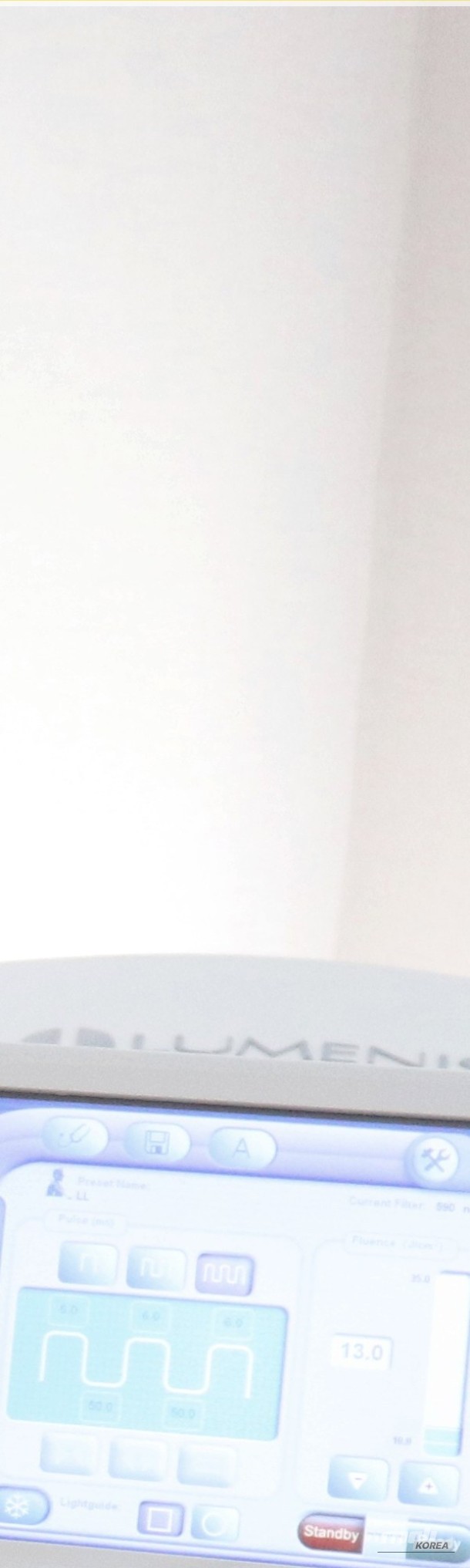
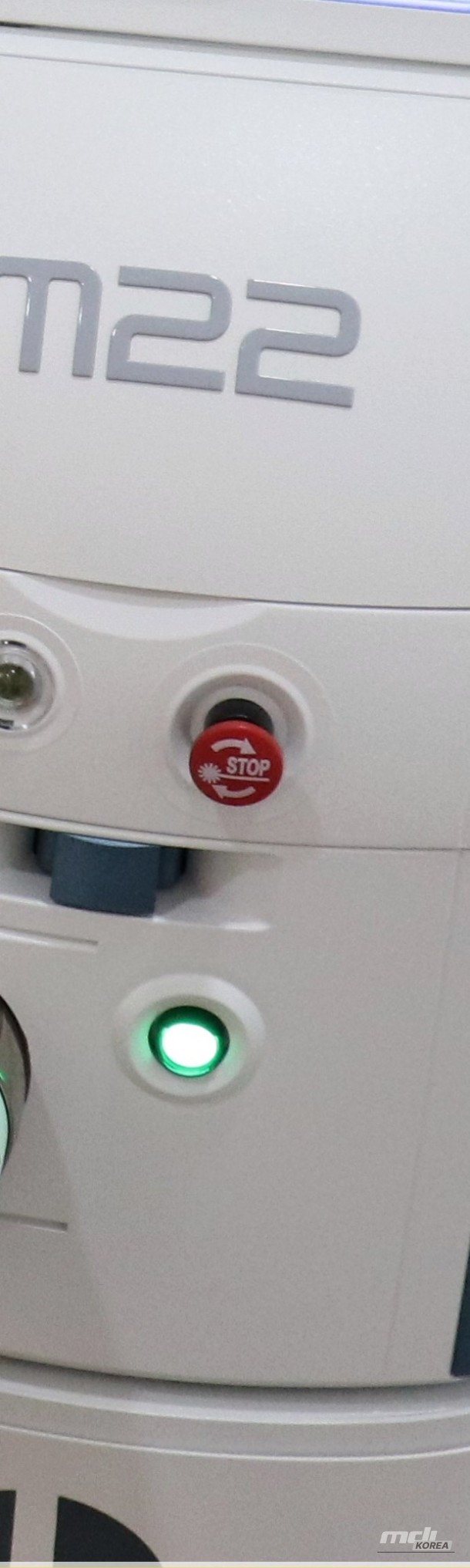
▶ IPL laser treatment to improve meibomian gland function
An effective method approved by the FDA
Helps increase the efficiency of the tear layer and reduce inflammation
If symptoms appear, it is best not to neglect them but to visit a medical institution for a thorough examination. With proper diagnosis and treatment, healthy eyes can be maintained.



















Source :https://blog.naver.com/iconiconeye/224055638304
No comments yet.