Dry Eye Syndrome in Yeoksam-dong: Understanding Causes, Symptoms, and Treatments


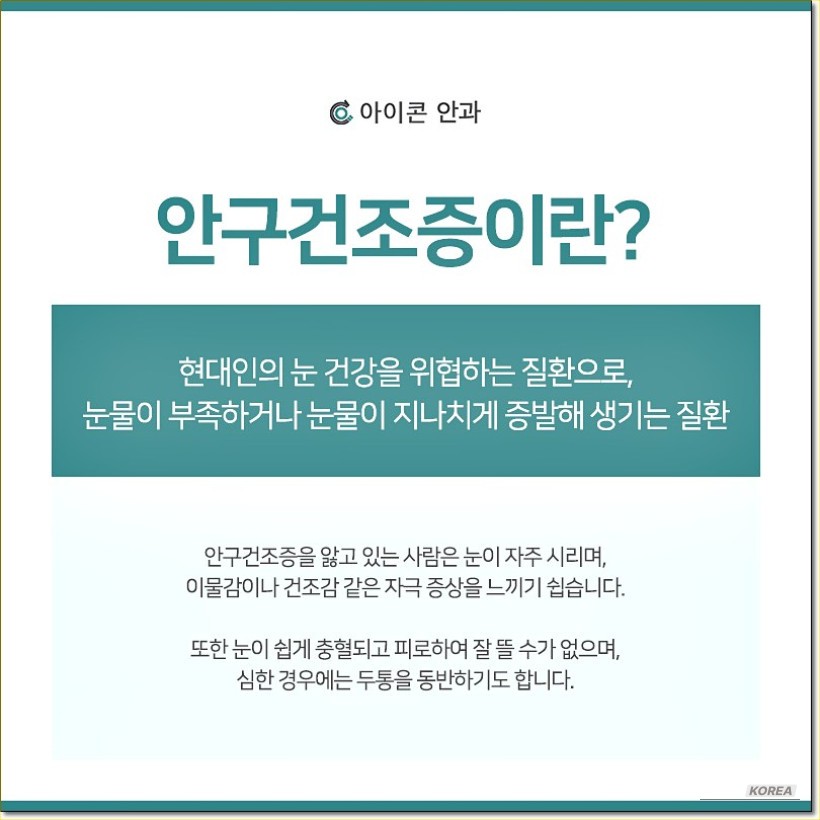
In modern society, the digital environment significantly impacts eye health. Eyes, as sensory organs that react immediately to external environmental changes, suffer from reduced tear film stability due to prolonged electronic device use and poor indoor air quality.
The ophthalmology clinic in Yeoksam-dong systematically analyzes the mechanisms by which these complex environmental factors trigger dry eye syndrome. Early diagnosis and treatment are crucial to prevent the progression to chronic eye conditions.
The Paradoxical Phenomenon of Excessive Tearing
One paradoxical symptom observed in dry eye patients is excessive reflex tearing. When the normal tear film is compromised, the eye's surface protection weakens, leading to hypersensitivity to minor stimuli. This triggers a reflex action via the trigeminal nerve, causing the lacrimal glands to secrete a large amount of tears rapidly. However, these reflex tears are low in viscosity and do not remain on the eye's surface for long, limiting their lubricating effect. Excessive tearing can even lead to dermatitis around the eyelids or blurred vision.
This symptom signals an underlying tear film dysfunction, necessitating precise diagnosis.
Changes in Dry Eye Syndrome Occurrence by Age Group
As the age range affected by dry eye syndrome expands, the causes and symptoms have diversified. While age-related decline in lacrimal gland function was a primary cause in the past, lifestyle habits and environmental factors now play a more significant role.
In the 20-30 age group, evaporative dry eye is common due to prolonged near work and contact lens wear.
In the 40-50 age group, hormonal changes often accompany meibomian gland dysfunction.
Basic age-specific management includes increasing blinking through regular eye exercises, maintaining indoor humidity at 40-60%, and adequate hydration. Wearing blue light blocking glasses and following the 20-20-20 rule can also help. However, self-management has limitations, and systematic diagnosis at a medical institution like the ophthalmology clinic in Yeoksam-dong is advisable for persistent symptoms.
Risk of Corneal Epithelial Cell Toxicity with Prolonged Use of Artificial Tears
Many people initially use artificial tears for persistent dryness or foreign body sensation in the eyes. However, the cause of dry eye syndrome is often not simple moisture deficiency, making proper product selection and usage crucial. Tears consist of three layers: aqueous, lipid, and mucin, and the appropriate artificial tear composition varies depending on the specific layer affected.
For aqueous layer deficiency: Hyaluronic acid-based products.
For lipid layer abnormality: Products containing lipid components.
For mucin layer problems: Carboxymethylcellulose-based products.
Preservative-containing products can cause corneal epithelial cell toxicity with prolonged use, so single-use products are recommended. However, artificial tears are only an auxiliary measure for symptom relief, and individualized treatment approaches through precise diagnosis are necessary for treating the underlying cause.
Analysis of Complex Symptoms Due to Tear Film Dysfunction
A normal tear film uniformly covers the eye's surface, providing lubrication and protection. When this function is impaired due to decreased tear secretion or increased evaporation, various complex symptoms beyond simple dryness can occur. Irritation, foreign body sensation, and burning sensation due to microscopic damage to the eye's surface are major symptoms, and blurred vision or glare may also occur. In particular, exposure to external wind or air conditioning can cause immediate reflex tearing, leading to blurred vision or watery eyes.
Secondary inflammatory conditions such as blepharitis and conjunctivitis may also occur, and if chronic, corneal epithelial defects or corneal opacity can develop. Systemic symptoms such as headaches or neck and shoulder stiffness may also appear, so it should not be dismissed as just an eye problem. It is important to carefully identify these complex symptoms and establish an appropriate treatment plan.
Major Causes of Increased Tear Evaporation
Essential treatments for meibomian gland dysfunction, which were not improved with existing artificial tears or simple lifestyle changes, have been gaining attention. The meibomian glands are sebaceous glands located on the edge of the eyelids that secrete oil to form the lipid layer of tears. Dysfunction of these glands leads to a rapid increase in tear evaporation.
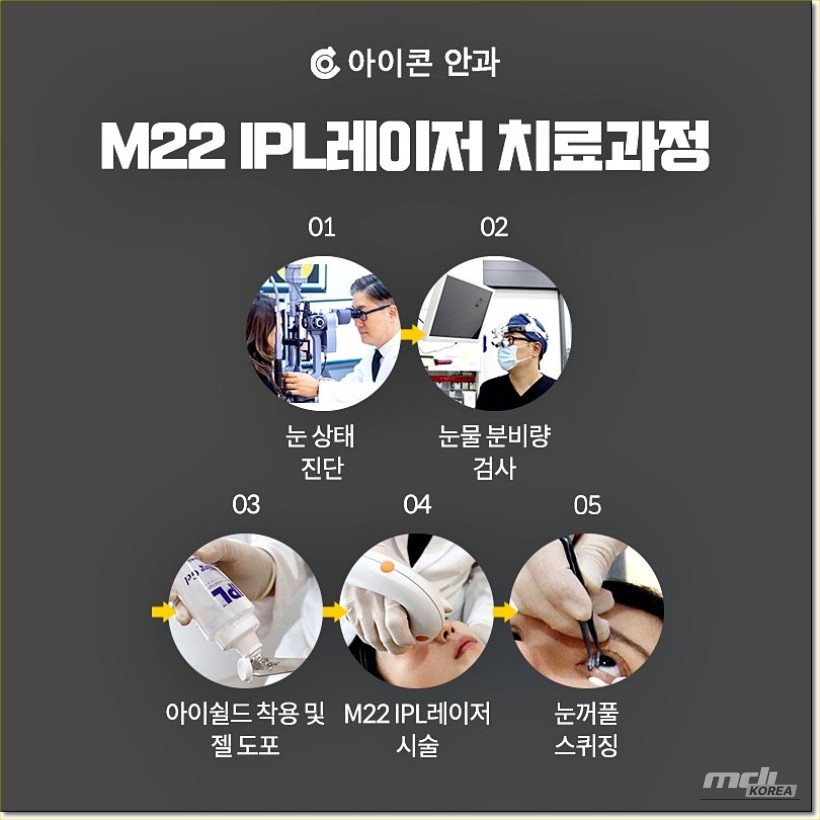
IPL Laser Treatment
Item
Content
Purpose
Improvement of meibomian gland dysfunction
Action
Dissolves oil with 590nm light, constricts blood vessels → Relieves inflammation
Approval
US FDA approved
Procedure time
Approximately 10 minutes, performed without anesthesia
Frequency
Total of 3 treatments at 2-3 week intervals
The ophthalmology clinic in Yeoksam-dong establishes customized treatment plans based on individual patient conditions, combining IPL laser treatment with warm massage and medication to help restore meibomian gland function and manage long-term dry eye syndrome. This integrated approach enables improvement of the underlying cause beyond simple symptom relief.














Source :https://blog.naver.com/iconiconeye/224020191211
No comments yet.