Dry Eye in Nonhyeon-dong: More Than Just Discomfort, Leading to Corneal Damage and Vision Loss


Dry eye disease, experienced by approximately 20% of the global population, is more than a mere inconvenience; it can develop into a serious ophthalmic condition. Many people dismiss dry eye symptoms as temporary, but if left untreated, it can lead to complications such as corneal damage and vision impairment.
Our ophthalmology practice in Nonhyeon-dong emphasizes that dry eye occurs through two main mechanisms: decreased tear production and excessive evaporation. We highlight the importance of early diagnosis and systematic treatment. It is crucial to begin personalized treatment through detailed examination before damage to the ocular surface progresses. Various treatment options can be considered depending on the severity of the symptoms.
The Need for Lifestyle Improvements and Medical Approaches
Factors that harm eye health are not caused by a single reason, but by a combination of various environmental and physical conditions.
Aging → Decreased tear gland function
Air pollution (fine dust, etc.) → Weakened tear film, worsening symptoms
Dry indoor environment, prolonged smartphone/computer use → Decreased blinking, tear deficiency
Contact lens wearers and patients with autoimmune diseases → Increased risk of dry eye
When these causes combine, they can lead to corneal damage, inflammation, and in severe cases, corneal ulcers. Therefore, it is important to receive active treatment at a medical institution like our ophthalmology practice in Nonhyeon-dong, and medical approaches should be combined with lifestyle improvements.
Key Symptoms in Daily Life
Early signs of dry eye can be easily detected in daily life.
Upon waking up in the morning:
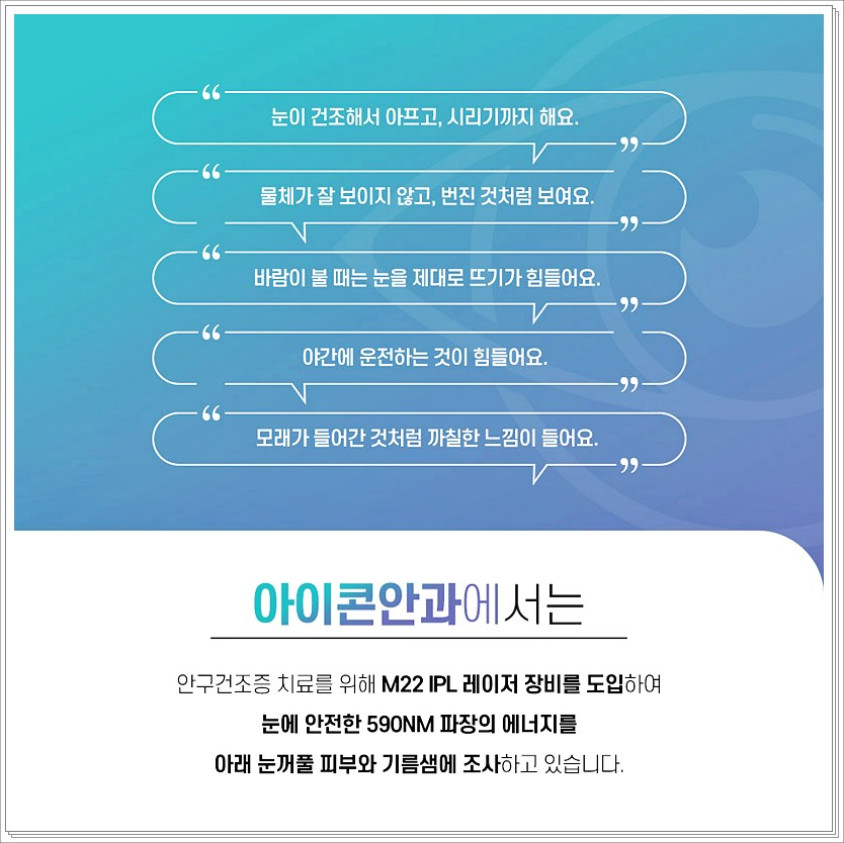
Eyelids feel stiff and painful
During outdoor activities:
Eyes feel irritated and uncomfortable when exposed to wind
When using screens for extended periods:
Vision becomes blurred and eye fatigue increases rapidly
Common reactions:
Reacting more sensitively to light than usual
Persistent feeling of a foreign object in the eye
If these symptoms occur repeatedly, do not simply ignore them. Visit our ophthalmology practice in Nonhyeon-dong to check your detailed condition through tear secretion measurement, tear film breakup time test, and corneal fluorescence staining test, and find the right treatment for you. If left untreated, symptoms may worsen.
The Three-Layer Structure of Tears and the Role of Each Layer
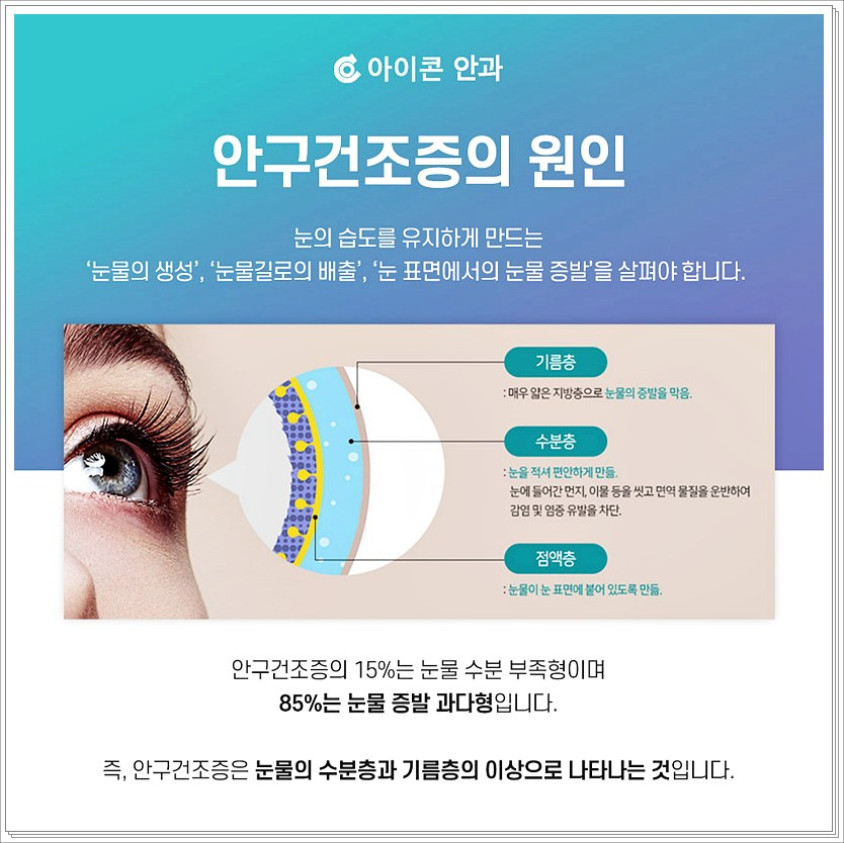
To maintain healthy eye condition, tears must be secreted properly and their composition must be balanced. Tears are not just simple water, but have a complex structure consisting of three layers: the mucin layer, the aqueous layer, and the lipid layer.
▶️Mucin Layer
Helps tears spread evenly over the cornea
Keeps the eye surface smooth
▶️Aqueous Layer
Plays a role in washing away foreign substances
Supplies oxygen and nutrients to the cornea
▶️Lipid Layer
Prevents moisture in tears from evaporating into the air
Acts as a protective film to prevent dry eyes
As we age, problems with the lipid components secreted from the meibomian glands are likely to occur, which disrupts the balance of tears and becomes a major cause of dry eye. Therefore, our ophthalmology practice in Nonhyeon-dong analyzes the condition of tear components in detail to set the direction of treatment and aims to restore the function of each layer.
Additional Treatment Needed When Artificial Tears Are Not Enough
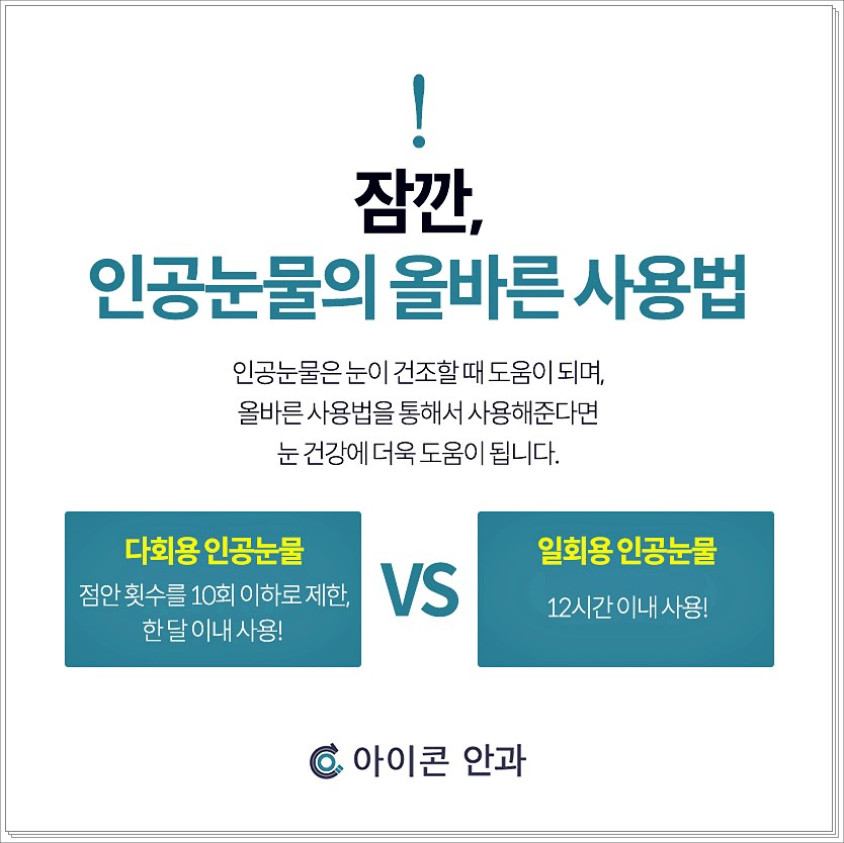
Artificial tears are the most common method used by dry eye patients to replenish moisture on the eye surface, reduce temporary discomfort, and protect the micro-damage of the cornea. However, artificial tears are only an aid to alleviate symptoms and do not improve the underlying cause. In cases of dry eye with meibomian gland dysfunction or inflammation, artificial tears alone are not sufficient, and additional treatment is essential.
If symptoms do not improve or worsen, visit our ophthalmology practice in Nonhyeon-dong for a thorough examination and establish a customized treatment plan according to the cause. Only through this systematic approach can dry eye be effectively managed and eye health restored, and recurrence can be prevented in the long term.
Early Diagnosis and Systematic Treatment with IPL Laser
The earlier dry eye is detected and treatment is started, the better the prognosis. Neglecting symptoms can lead to chronic conditions that are difficult to treat and can lead to serious problems such as vision loss or corneal damage. Fortunately, with the development of modern medical technology, the eye condition can be precisely analyzed using various diagnostic equipment such as T-OCT and topography.
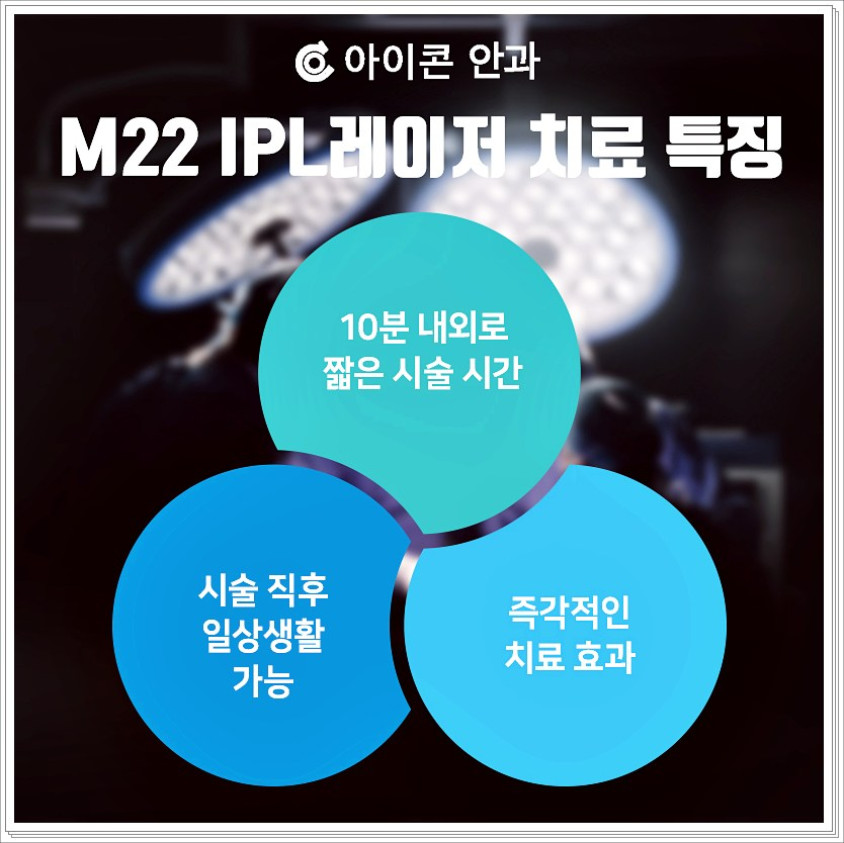
"IPL laser treatment, approved by the FDA, is effective in treating dry eye caused by meibomian gland dysfunction."
➡️It increases the reliability of the tear layer and reduces inflammation, helping to improve the underlying condition.
If you are experiencing discomfort due to dry eye, we recommend receiving systematic management at a medical institution that can provide detailed examination and scientific treatment.
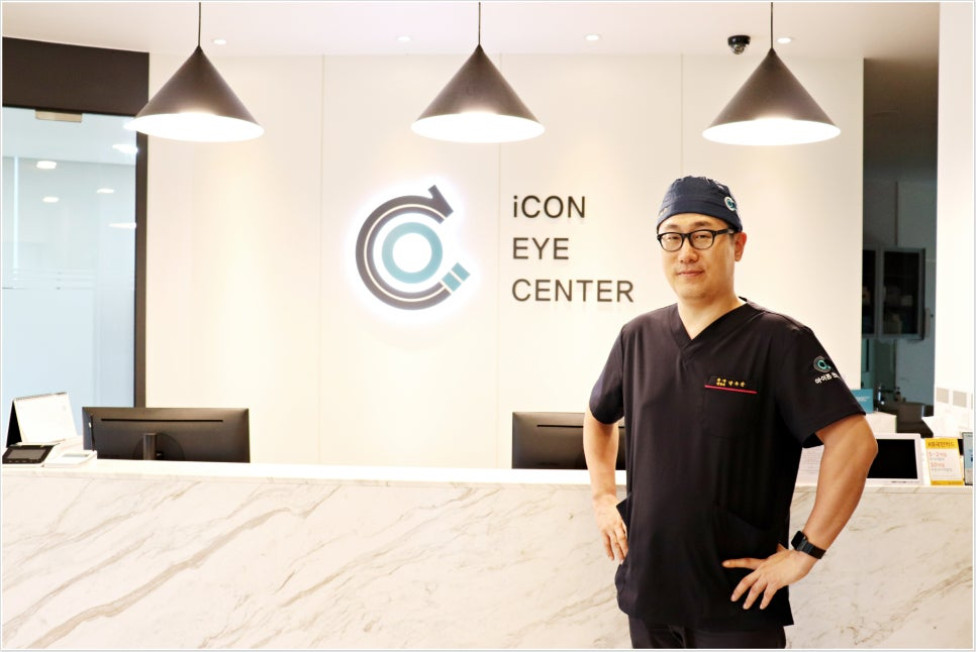








Source :https://blog.naver.com/iconiconeye/224075145823
No comments yet.