Dry Eye Disease: Causes, Management, and IPL Treatment


Dry eye disease is primarily caused by an imbalance in the tear film.
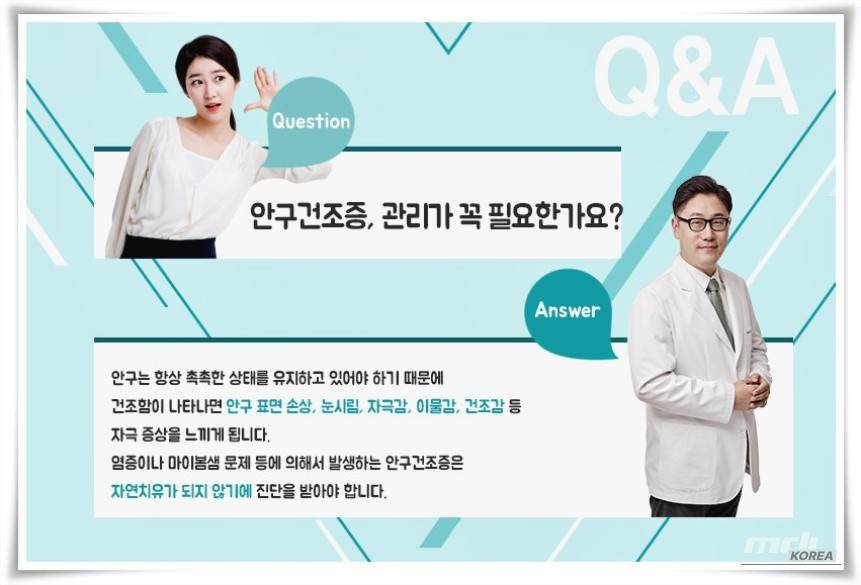
In modern society, the number of patients with dry eye disease has significantly increased due to the rise in digital device usage and the aging population. This condition, which previously mainly affected those in their 40s and older, is now spreading across all age groups. A primary cause is the reduced blinking frequency while staring at computer screens for extended periods at work. The widespread use of air conditioning and heating systems also has a significant impact. Dry eye disease manifests with various symptoms, ranging from stinging and gritty sensations to foreign body sensations and excessive eye discharge.
Notably, glare and blurred vision can cause considerable inconvenience in daily life and work, and symptoms tend to worsen with prolonged eye opening. Dry weather or the operation of air conditioning and heating can exacerbate these symptoms, and multiple symptoms often occur simultaneously.
Reduced Tear Production and Increased Evaporation Rate: A Core Problem
Understanding the structure of tears is crucial for comprehending dry eye disease. Tears consist of three layers: a mucin layer, an aqueous layer, and a lipid layer. An imbalance among these layers leads to dry eye disease. A decrease in blinking frequency can disrupt the tear film's balance, causing various issues. Reduced tear production or an accelerated evaporation rate weakens the protective function of the ocular surface.
Therefore, it is necessary to identify which layer is affected through tear film tests. Treatment should be tailored to address either aqueous deficiency or excessive evaporation, and early intervention yields significant symptom improvement. Various treatment methods can be applied depending on the underlying cause.
Proper Use of Artificial Tears and Daily Management
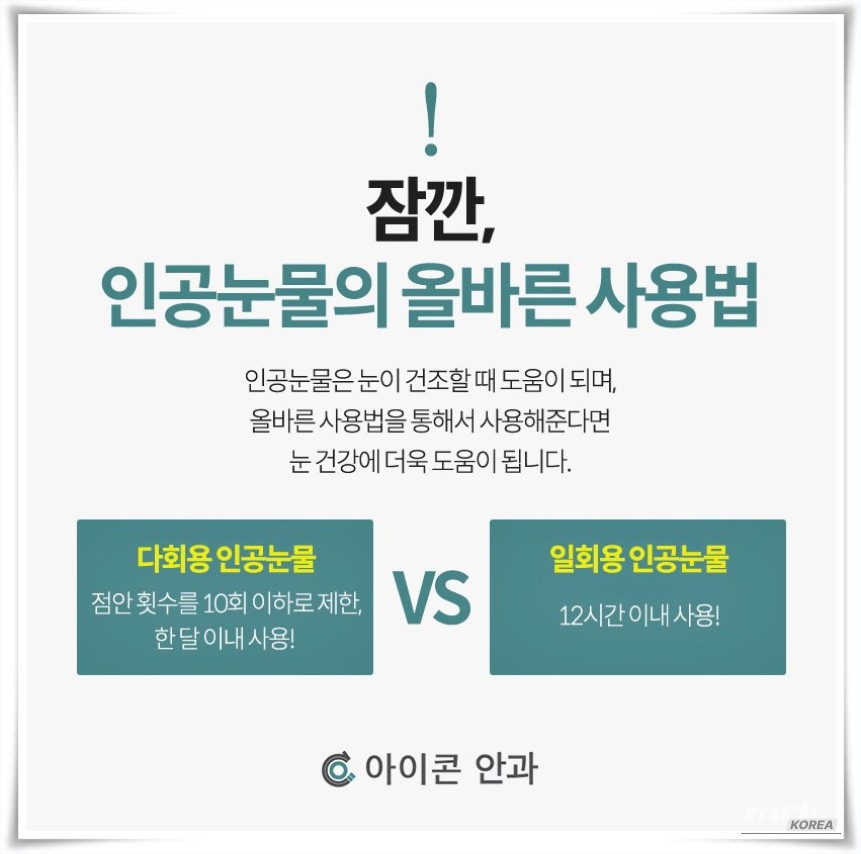
The basic approach to managing aqueous-deficient dry eye is the use of artificial tears. However, proper usage is essential for effectiveness:
Tilt your head back and instill drops into the lower eyelid.
Avoid contact between the container tip and the eye or eyelashes.
Do not share eye drops for personal hygiene reasons.
Always check the expiration date.
Single-use vials: Use within 12 hours of opening.
Multi-use bottles: Recommended use within one month.
Maintaining adequate indoor humidity and taking regular breaks can also be helpful. Sufficient hydration and eye exercises to promote tear secretion are important management strategies.
Laser Treatment for Improving Meibomian Gland Dysfunction (MGD)
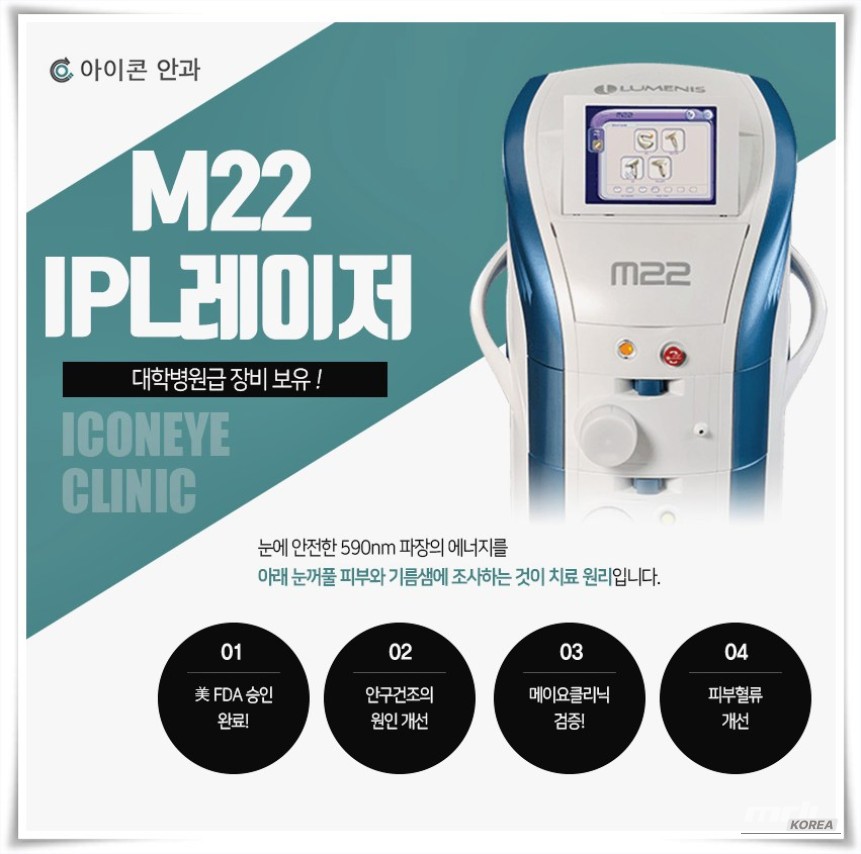
Intense Pulsed Light (IPL) therapy for dry eye is an effective method for improving lipid layer issues caused by Meibomian gland dysfunction.
1) The M22 IPL laser uses 590nm wavelength energy to melt hardened oils and reduce inflammation.
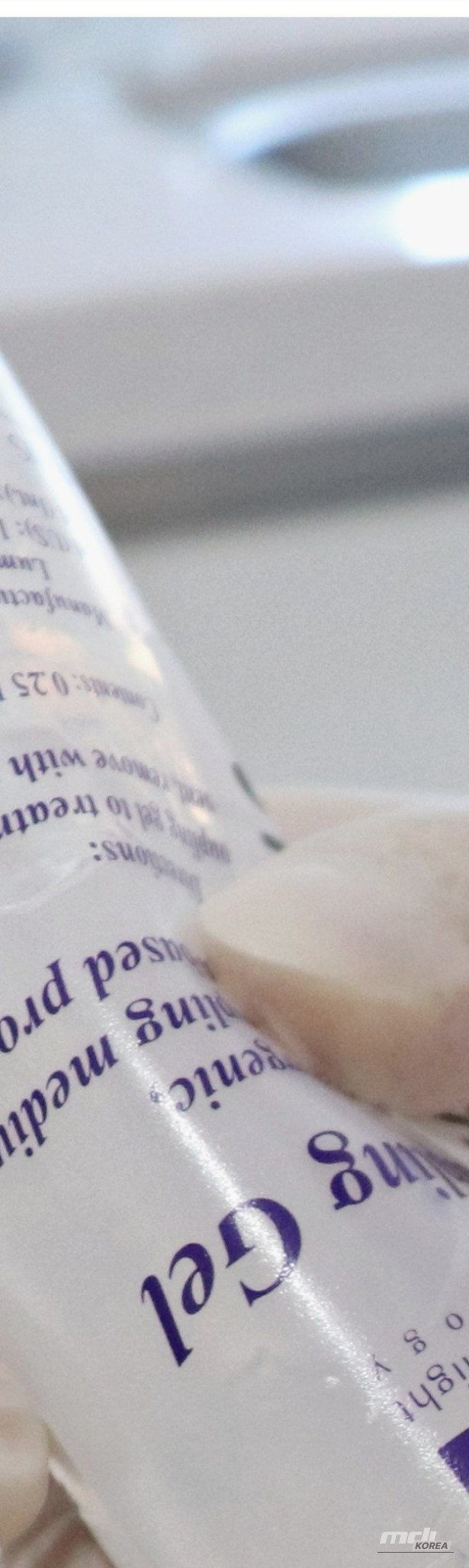
2) The procedure ensures safety through the use of cooling gel and eye shields, while also improving blood circulation around the eyelids.
IPL treatment for dry eye goes beyond simply alleviating symptoms; it aims to restore Meibomian gland function, leading to long-term benefits. The number of treatments varies depending on the severity of the symptoms and is typically performed at 2 to 4-week intervals. Temporary redness or swelling may occur after IPL treatment, but it usually subsides within 24 hours.
Eye Health Guidelines for the Digital Age
In modern life, where digital device use is essential, systematic eye care is crucial.
20-20-20 Rule: Every 20 minutes, look at something 20 feet away for 20 seconds.
Indoor Management: Maintain humidity between 40-60% and use glare-free lighting.
Contact Lenses: Limit usage time, clean regularly, and remove before sleeping.
Lifestyle Habits: Avoid smoking and excessive alcohol consumption, eat a balanced diet, and get enough sleep.
Nutrition: Consume foods rich in Omega-3 and Vitamin A to help stabilize the tear film.
Improve Quality of Life Through Regular Checkups and Lifestyle Changes
Neglecting dry eye disease can lead to serious complications such as corneal damage, vision loss, and chronic inflammation. Because corneal damage is difficult to regenerate and takes a long time to recover, it is important to start treatment quickly when initial symptoms appear. As eye function naturally declines with age, continuous management is essential. Utilizing treatments like IPL can help restore Meibomian gland function and promote long-term symptom improvement.
Dry eye disease is a condition that requires continuous management rather than complete elimination. Regular checkups to monitor the condition, lifestyle improvements, and appropriate treatment can effectively control symptoms. Early detection and treatment directly impact the prevention of serious complications and the improvement of quality of life.











Source :https://blog.naver.com/iconiconeye/224082210041
No comments yet.