Dry Eye Disease: An Increasing Concern Among Young Adults Near Gangnam Station


The surge in "dry eye disease" patients is closely linked to changes in modern lifestyles. While eye function typically begins to decline around age 40, young adults in their 20s and 30s are increasingly reporting significant discomfort.
✅ The primary reason is the explosive increase in smartphone and computer usage.
→ Prolonged screen time reduces blinking frequency, leading to dryness on the eye's surface.
Dry eye disease has become a common chronic condition among office workers. If left untreated, it can lead to inflammation and significantly reduce quality of life. Eye clinics near Gangnam Station have noted a yearly increase in young patients, emphasizing the importance of prevention and early management. Adapting to environmental changes and taking proactive measures are crucial.
Painful Symptoms That Make Even Going Outside Unpleasant
The discomfort caused by dry eye disease varies from person to person but commonly disrupts daily life.
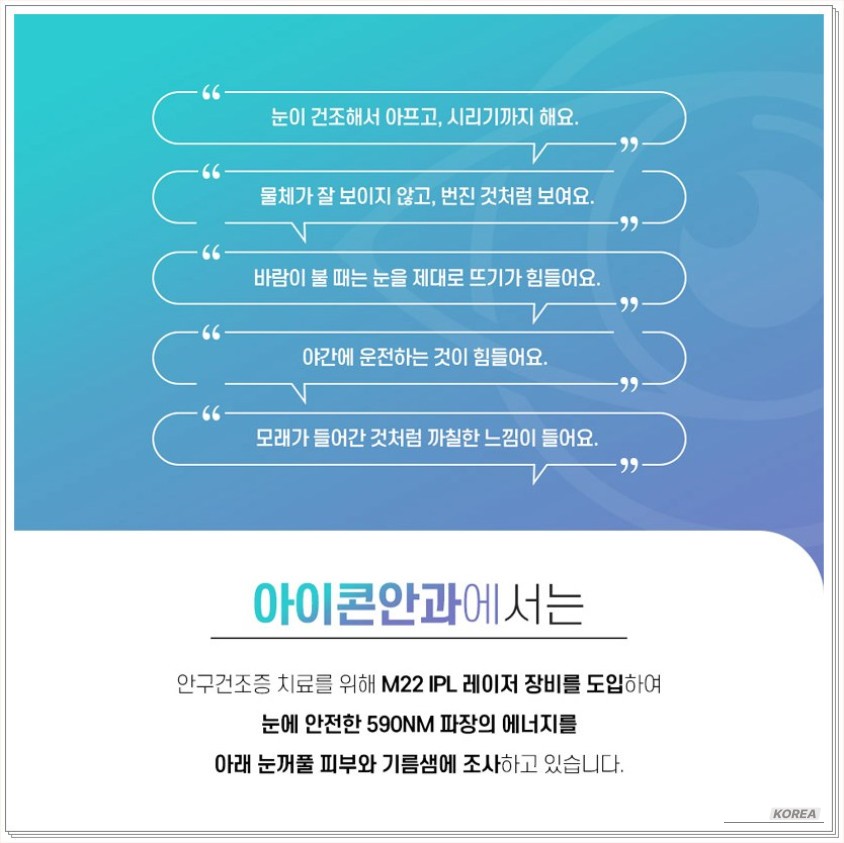
Foreign body sensation: A gritty feeling, as if sand is in the eye
Dryness: Soreness and a tight feeling in the eyes
Increased discharge: More eye mucus and sticky discharge
Photosensitivity: Increased sensitivity to light, causing glare
Pain: Stabbing sensations
Blurred vision: Temporary blurry vision
Discomfort when opening eyes: Symptoms return upon opening eyes after being closed
Excessive tearing: Excessive tearing in response to air conditioning or heating
Individuals may experience one or several of these symptoms simultaneously, necessitating a detailed diagnosis. Untreated symptoms can lead to corneal damage, making early eye exams essential.
Meibomian Gland Dysfunction and Reduced Tear Gland Secretion: Key Causes
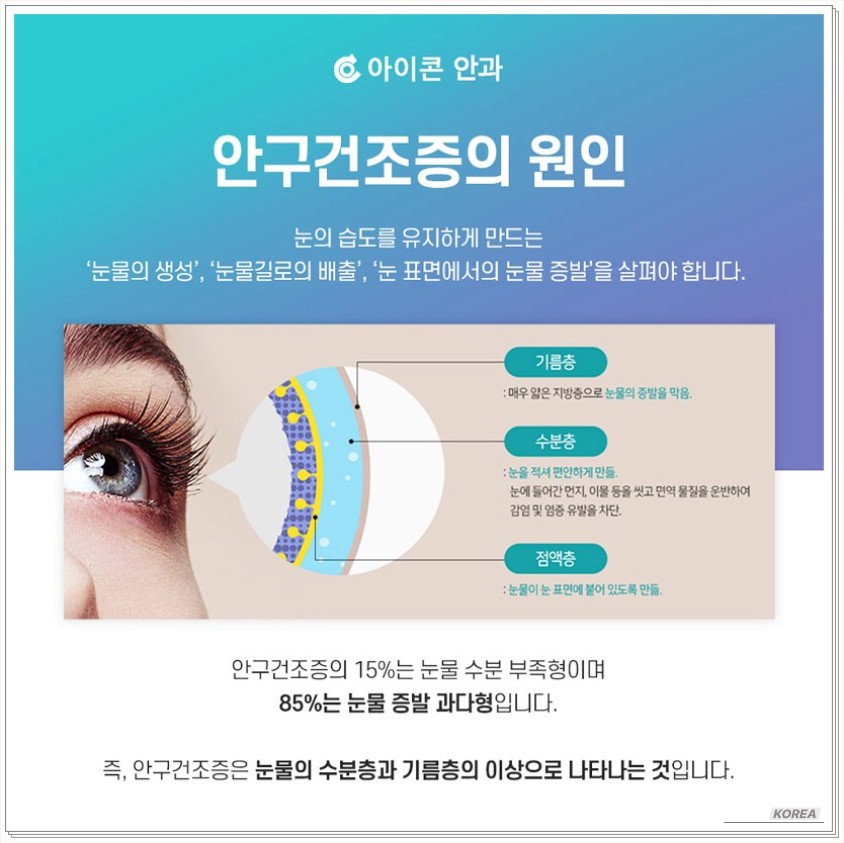
Understanding dry eye disease requires knowledge of tear composition. The tear film, which protects the eye's surface, consists of three layers: the mucin layer, the aqueous layer, and the lipid layer. Their harmony is vital for eye health.
▶️ The innermost mucin layer helps tears adhere to the cornea and spread evenly.
▶️ The middle aqueous layer, the main component of tears, provides nutrients and washes away waste.
▶️ The outermost lipid layer acts as a protective barrier, preventing water evaporation.
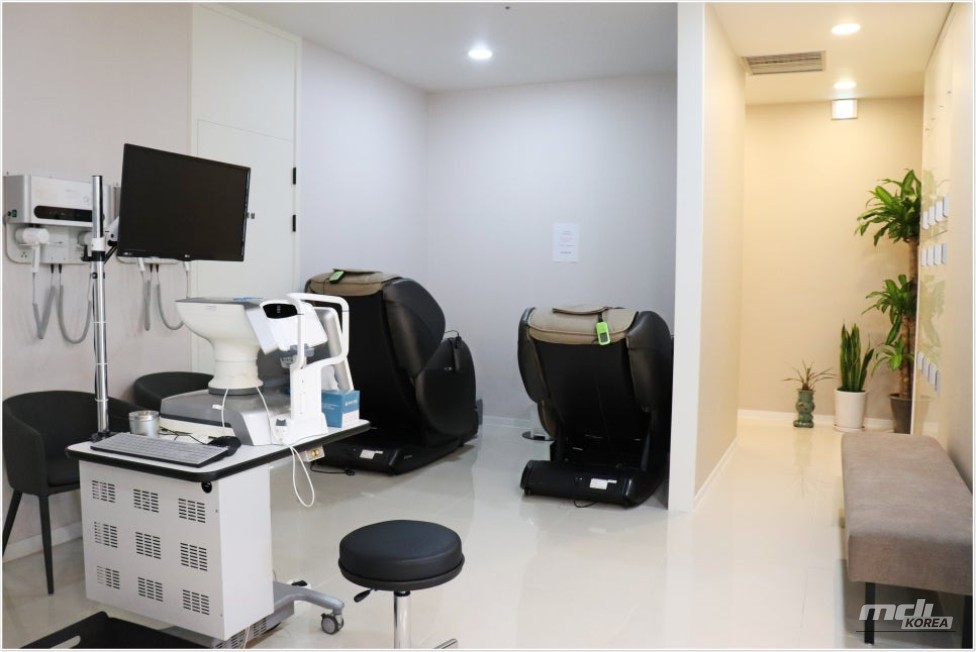
When this structure is compromised, tears evaporate quickly, or tear production is insufficient. Infrequent blinking hinders the proper formation of the lipid and aqueous layers. Common causes include poor oil secretion from the meibomian glands and inadequate water secretion from the tear glands. Eye clinics near Gangnam Station identify these tear film imbalances through testing and recommend appropriate treatments.
Proper Use of Artificial Tears
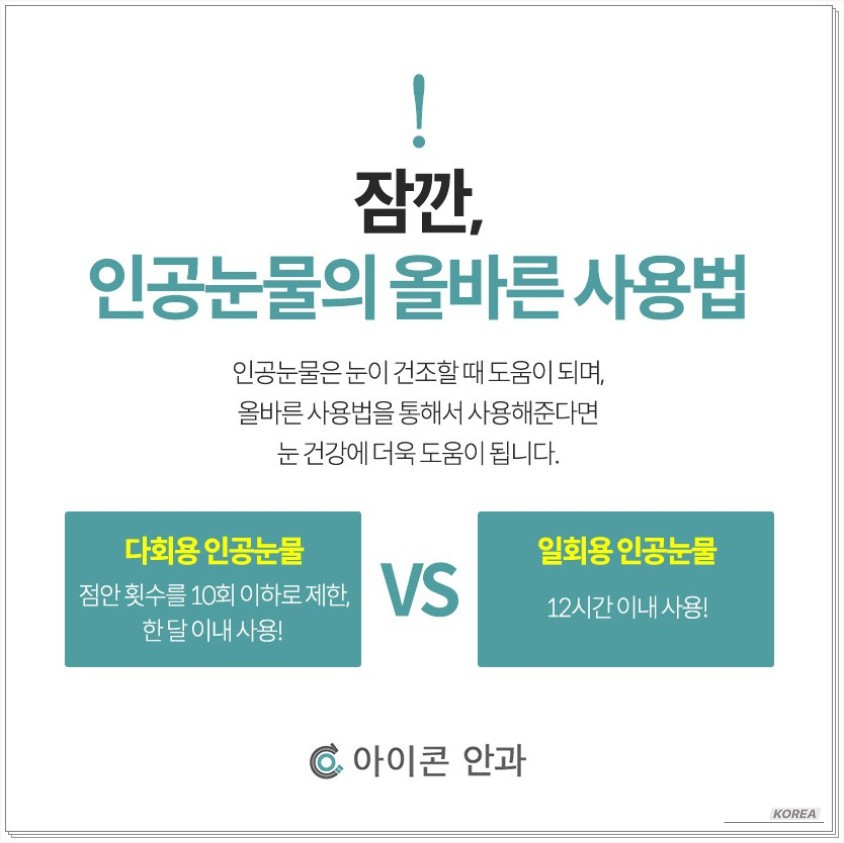
✅ For dry eye disease caused by insufficient moisture, artificial tears are a fundamental treatment.
To use them correctly, tilt your head back and gently pull down the lower eyelid, applying the drops to the white part of the eye. Keep the dropper tip away from the eye and eyelashes to prevent contamination. If you find it difficult at first, seek assistance.
Artificial tears are for personal use only and should never be shared to avoid the risk of bacterial or viral infections. Check the expiration date on each product. Single-use vials should be discarded within half a day of opening, while multi-use bottles should be used within one month. Expired products may be ineffective or harmful and should be discarded.
Utilizing Proven Procedures Approved by the US FDA for Demonstrated Efficiency
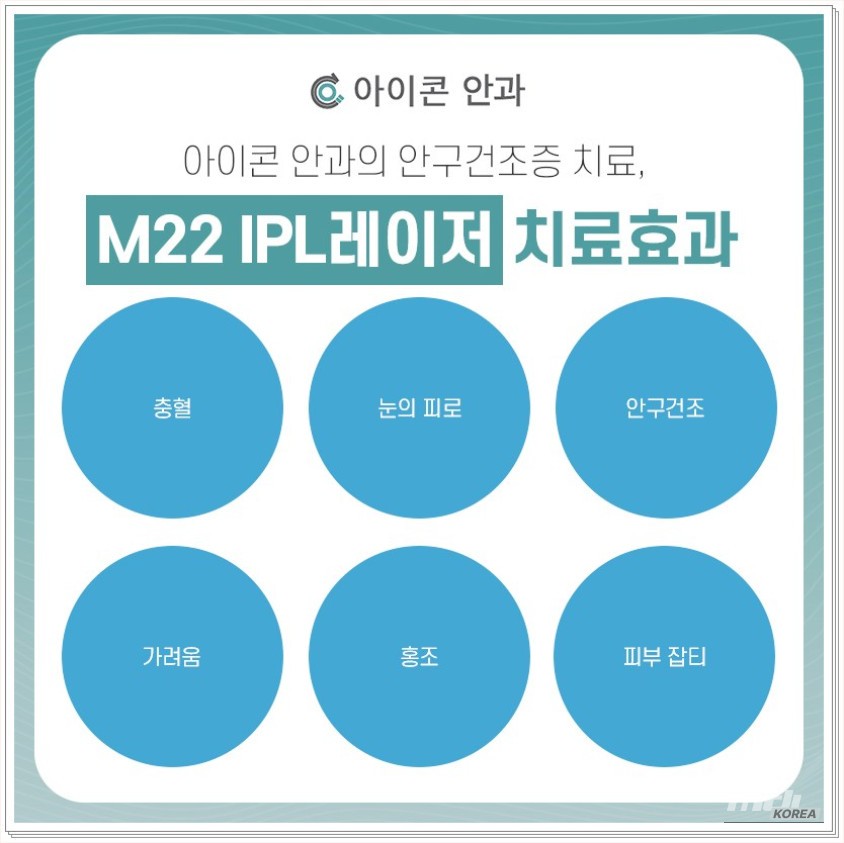
✅ IPL laser treatment is effective for dry eye disease caused by lipid layer issues.
Principle: Restoring meibomian gland function with 590nm wavelength light energy
Suitable for: Blocked meibomian glands, inflammation, and age-related functional decline
Effects:
Melts and promotes the expulsion of hardened oils
Removes inflammatory substances
Relieves dry eye symptoms
Certification: Approved by the US FDA for safety and efficacy
Additionally, the procedure can remove fine hairs in the treated area and improve fine lines, offering cosmetic benefits. Eye clinics near Gangnam Station carefully assess each patient's condition before deciding on IPL laser treatment and may perform multiple sessions if necessary.
The Importance of Lifestyle Changes for Management
To fundamentally manage dry eye disease, treatment must be combined with overall lifestyle changes.
1) Reduce smartphone and computer usage and consciously blink more often.
2) Take breaks during prolonged work, maintain adequate indoor humidity, and adjust lighting to reduce eye strain.
3) Avoid alcohol and smoking, as they worsen symptoms. Minimize contact lens wear time and ensure proper cleaning and storage.
4) Effective stress management also benefits eye health.
Early detection and appropriate treatment can alleviate symptoms and prevent corneal damage. Consistent management and regular check-ups are essential to prevent chronic inflammation, maintain healthy eyes, and improve quality of life. If symptoms persist, consult an ophthalmologist promptly.




Source :https://blog.naver.com/iconiconeye/224030654716
No comments yet.