Don't Delay Dry Eye Treatment


Q. What symptoms should prompt a visit to the ophthalmologist?
During dry seasons or seasonal changes, various health issues can arise. If you experience red, itchy, or dry eyes, or a feeling of having a foreign object in your eye, it's best to seek treatment promptly.
Q. Should I go to the ophthalmologist immediately if my vision suddenly deteriorates?
Many symptoms can affect the eyes. These symptoms can range from simple discomfort to indications of conditions like glaucoma, cataracts, retinal diseases, macular degeneration, or dry eye syndrome. If these conditions worsen, they can cause vision problems and, if left untreated, may lead to further deterioration or even blindness.
As we age, the importance of our vision becomes increasingly apparent. You might notice declining vision or a blurry and uncomfortable sensation. If you experience these issues, it's essential to get an examination and, if necessary, pursue dry eye treatment.
Some people only use artificial tears for dry eyes. While this can provide some relief, it may not be sufficient if the underlying problem involves the composition of your tears. Especially with rapid aging, early management is crucial to prevent significant problems.
Eye problems often don't cause significant pain. Changes usually occur gradually, and you might not notice or might overlook them. Aging can accelerate these processes.
Dry eye is one of the most common conditions. Many people undergo LASIK or LASEK vision correction or use lenses or glasses to compensate for vision problems.
While many treatments can alleviate discomfort, it's important to understand your condition to receive appropriate dry eye treatment. With increased screen time on electronic devices, discomfort can worsen. Frequent use can lead to a gritty, dry feeling in the eyes, so be cautious.
Concentrating on something reduces blinking. Focusing on small screens like smartphones for extended periods can decrease blinking, exacerbating the problem. This prevents tears, which lubricate the eye surface, from spreading properly, leading to dryness.
If these problems persist, seek dry eye treatment. Your environment is also crucial, so manage it carefully. Dry environments can worsen the problem, so maintain adequate hydration. If symptoms are severe, keep indoor humidity around 60% and drink plenty of fluids.
If you sleep with your eyes partially open, try to correct this. It's important to improve lifestyle habits to minimize aggravating factors and take breaks to avoid eye strain. Because dry eye can cause various symptoms, consistent management is essential.
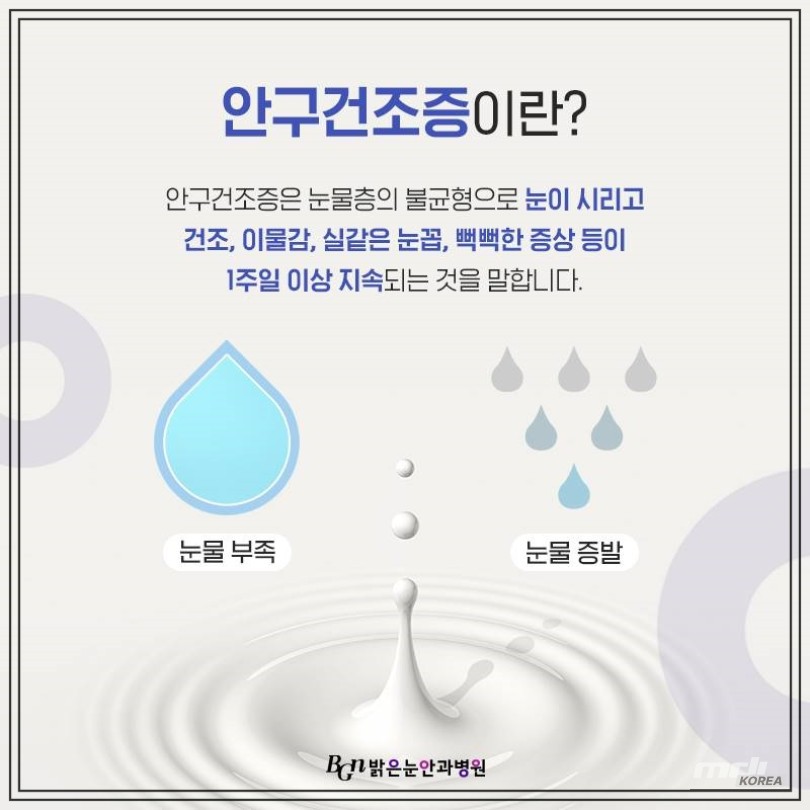
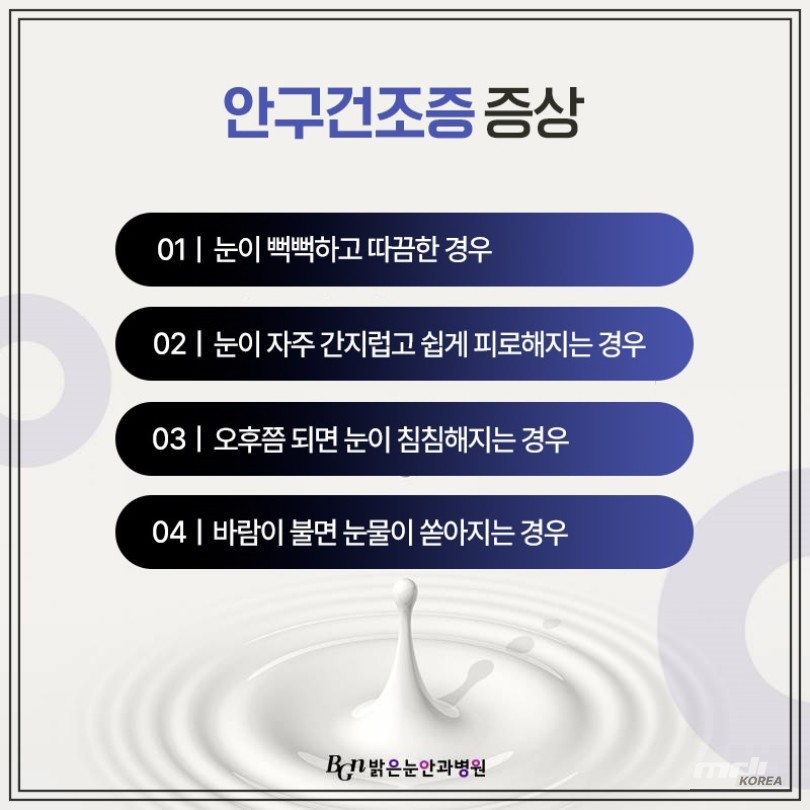
Eyes may feel gritty, and fatigue can cause redness and other issues. Severe cases might feel like sand is moving around in the eye or cause a burning sensation. If you also experience excessive tearing, suspect dry eye and seek treatment.
Excessive tearing due to irritation can indicate insufficient eye protection. This is a common symptom, but neglecting it can lead to conjunctivitis, blepharitis, or vision loss, so seek dry eye treatment. Immunity is an important factor during seasonal changes.
Reduced immunity can easily occur and is closely related to dry eye, so be careful. Dry eye treatment should include maintaining stable immune function.
Dry eyes can also result from other underlying eye conditions, so be cautious. It can easily occur in those who have had vision correction surgery, and factors like occupation, stress, and contact lens use can significantly impact it.
Using electronic devices for long periods or living a demanding life can cause problems. You might suddenly feel gritty eyes in the morning or notice redness. Blurred or fluctuating vision also requires attention.
If you feel pain in your eyes, experience vision loss, or find it difficult to wear lenses, suspect dry eye and seek treatment.
Consistent treatment is important, but so is changing your lifestyle and environment. Blink frequently and take care of your surroundings.
Using your phone with excessive brightness can also have negative effects. Drink plenty of fluids and eat foods rich in nutrients beneficial for the eyes. If these efforts don't improve your condition, seek prompt treatment to alleviate discomfort and improve your vision.





Source :https://blog.naver.com/koikoro/224051067972
No comments yet.