Comparing SMILE, LASIK, LASEK, and All-Laser LASEK for Vision Correction in Gangnam



Hello.
I'm Dr. Minji Lee, head director of Gangnam ID Eye Clinic.
It's a pleasure to greet you.
Winter is a popular time for vision correction surgery among various age groups. The relatively mild temperatures and less demanding environment during this season allow for a more comfortable recovery, influencing many people's decisions.
Consequently, many college students, office workers, and students who have finished their college entrance exams utilize the year-end holidays and winter breaks to undergo vision correction surgery. As a result, eye clinics experience an increase in inquiries for eye exams starting in November.
Vision correction surgery has been around for 20 to 30 years, with continuous advancements leading to a wide variety of methods and choices.
However, with more options available, accurate information becomes crucial for selecting the right procedure for each individual. Today, we will explore the differences between various vision correction surgeries, including LASIK, LASEK, SMILE, and All-Laser LASEK.
"The Structure, Features, Advantages, and Disadvantages of LASIK and LASEK in Gangnam"
You may have heard of LASIK and LASEK, but when considering undergoing the procedure, it's important to understand the differences and determine which method is suitable for you.
LASIK and LASEK, two common vision correction surgeries, use an excimer laser to reshape the cornea and correct refractive errors such as nearsightedness, farsightedness, and astigmatism. The main difference between LASIK and LASEK lies in the process and method.
LASIK involves creating a thin flap on the cornea, lifting it, reshaping the cornea with a laser, and then repositioning the flap. In contrast, LASEK involves removing only the corneal epithelium (outer layer), reshaping the underlying corneal tissue, and then covering the area with a therapeutic contact lens to allow the corneal epithelium to regenerate, thereby correcting vision.
LASIK offers faster visual recovery and less pain, but it has the disadvantage of potential flap displacement due to strong external impact. It may also be unsuitable for individuals with thin corneas or high degrees of nearsightedness or astigmatism.
LASEK, on the other hand, may cause discomfort or pain during the corneal epithelium regeneration period and has a slower visual recovery. However, once healed, it offers greater resistance to external impact.
Therefore, neither LASIK nor LASEK is inherently better. The ideal vision correction surgery should be chosen based on individual factors such as visual acuity, corneal thickness, pupil size, and pain sensitivity.
“The Structure, Features, Advantages, and Disadvantages of SMILE”
SMILE (Small Incision Lenticule Extraction) in Gangnam corrects vision through a small 2-3mm incision without creating a corneal flap. This smaller incision reduces the risk of pain, dry eye, and glare.
SMILE is considered highly stable for adolescents and working adults who engage in sports or outdoor activities. It also offers a fast recovery, allowing patients to return to their daily routines within a few days, making it a suitable option for students with busy academic schedules.
However, SMILE has limitations in correcting high degrees of nearsightedness and astigmatism. It may not be suitable for individuals with excessively thin corneas or very high refractive errors. The procedure requires highly precise skills to remove the lenticule (small piece of corneal tissue) within the cornea, and even slight variations can affect the visual outcome, necessitating careful consideration.
"The Structure and Features of All-Laser LASEK, an Improved Method"
All-Laser LASEK minimizes the drawbacks of conventional vision correction surgery. The entire process is performed using a laser, resulting in high accuracy, reduced corneal damage and irritation, and faster recovery. It also lowers the likelihood of side effects such as corneal haze and nearsightedness regression.
All-Laser LASEK offers less pain and faster recovery while reducing corneal haze. It is suitable for individuals with thin corneas, those exposed to strong lighting for extended periods, those with high nearsightedness or astigmatism, or those whose occupations involve a high risk of eye trauma.
All-Laser LASEK is divided into two main methods: Two-Day LASEK and Save LASEK. Each method uses different equipment and ablation techniques, making it important to understand their distinct characteristics.
"Characteristics of Two-Day LASEK and Save LASEK"
Many people hesitate to undergo vision correction surgery due to concerns about corneal thickness, recovery speed, and side effects. Two-Day LASEK is gaining attention as a relatively safe option in these situations.
Two-Day LASEK uses the 'SPT Amaris Red' equipment to perform both epithelial removal and stromal ablation entirely with a laser, allowing for precise and refined corneal reshaping.
The 0.54mm micro-laser beam enables precise laser delivery, and the 7-dimensional eye-tracking system ensures safe and accurate vision correction. The ultra-precise energy distribution system minimizes thermal damage to the cornea.
This results in faster recovery, reduced incidence of side effects such as dry eye, glare, and nearsightedness regression, and less pain. Its quick return to daily life makes it a popular choice for working professionals and students with limited time.
Save LASEK utilizes the EX500 equipment, which precisely removes only the targeted amount of corneal epithelium, minimizing unnecessary irritation and corneal damage.
This significantly reduces pain and shortens the recovery period for corneal epithelium regeneration. It also effectively prevents the risk of nearsightedness regression, a major concern for individuals with high nearsightedness or astigmatism, leading to stable vision correction outcomes.
After removing the epithelium using the EX500's epithelium removal mode, data is automatically transmitted for one-step stromal ablation. This maximizes the preservation of residual corneal tissue, resulting in high satisfaction and reliability even under challenging conditions.
“Comparing Vision Correction Surgeries with Various Features, Advantages, and Disadvantages”
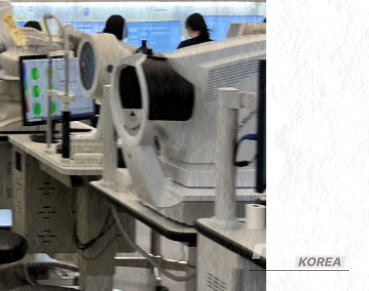
Vision correction surgeries like LASIK and LASEK offer various advantages, but for stable results, it is important to carefully consider factors such as the eye examination system, the availability of the latest equipment, the skill of the medical staff, and the availability of aftercare.
While undergoing vision correction is important, maintaining healthy eyes through thorough aftercare is crucial for long-term success. Regular check-ups to monitor eye health and taking breaks from prolonged use of smartphones and computers are recommended.
Thank you for reading this long article. This has been Lee Minji, Head Director of Gangnam ID Eye Clinic.























Source :https://blog.naver.com/tkatlrltkatl/224089678561
No comments yet.