Children's Orthokeratology Lenses: Types, Features, Effects, and Wear Duration



Hello.
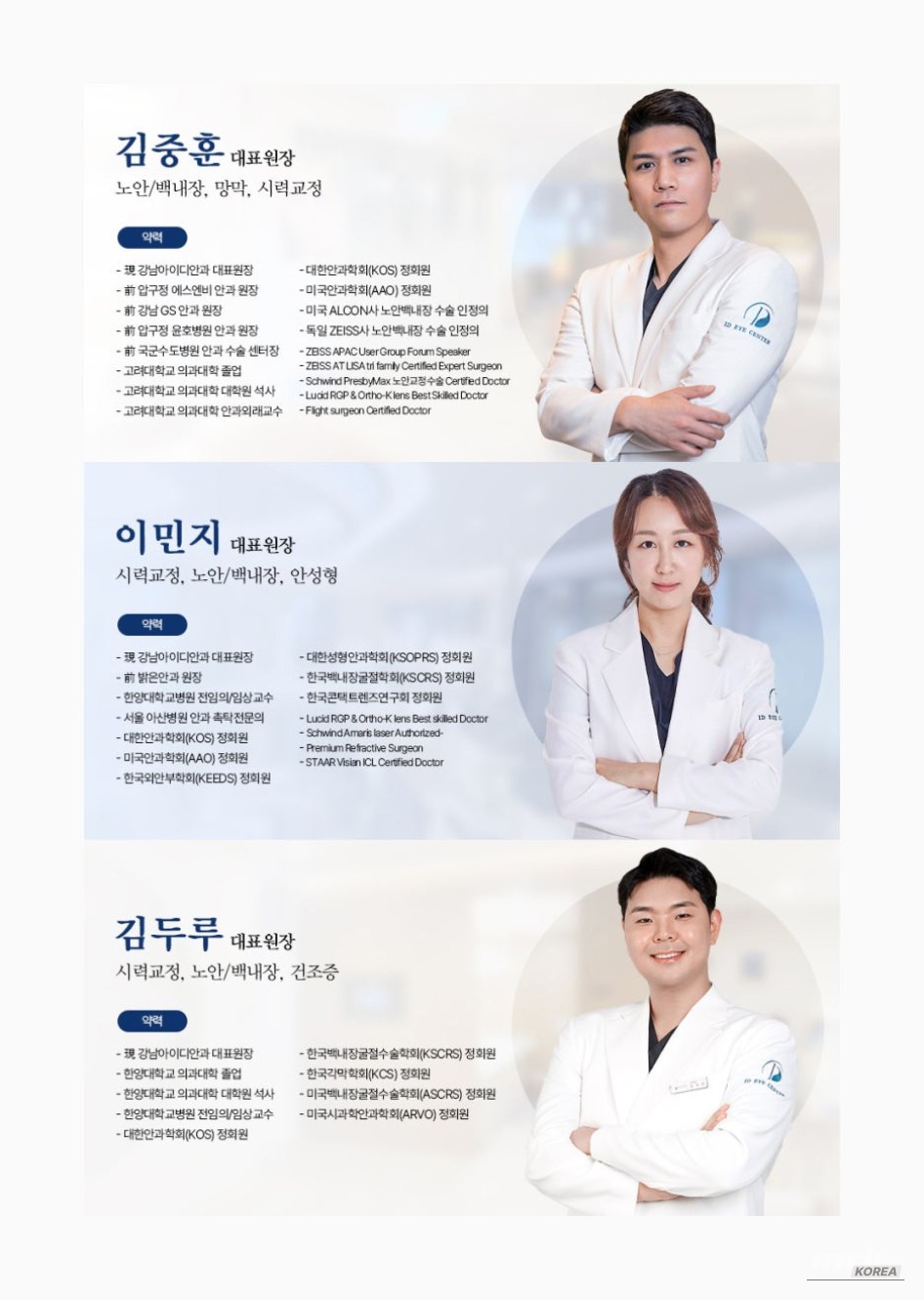
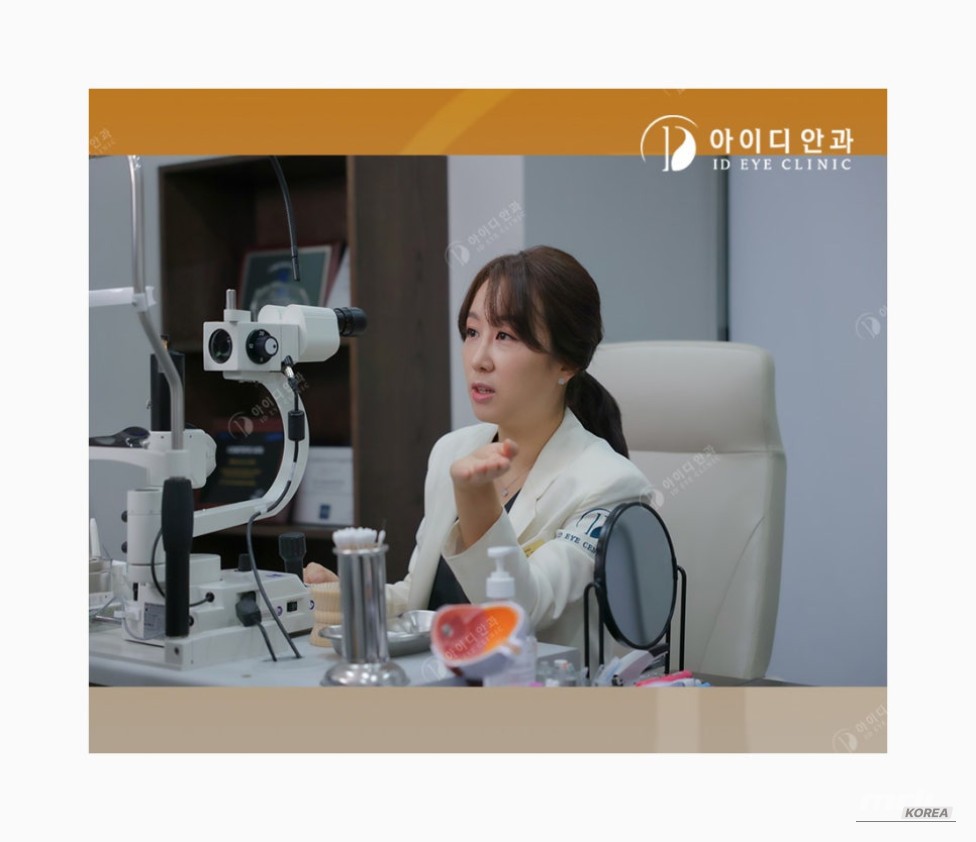
I'm Dr. Minji Lee, head director of Gangnam ID Eye Clinic.
The eyes are considered the most important sensory organ, allowing us to see. Vision develops gradually, with visual cells typically completing their development around the age of six.
Afterward, eyesight can change due to genetics or environmental factors, potentially leading to myopia (nearsightedness) or astigmatism. Recently, children are experiencing myopia at increasingly younger ages due to factors like frequent exposure to near-distance media such as computers and smart devices, and spending more time indoors rather than outdoors.
For children, once myopia begins, proactive measures and management are necessary from a long-term perspective.
Children with myopia cannot undergo vision correction surgery because their eyes are still growing. Typically, they start with wearing glasses to improve their vision.
Before a child grows enough to manage glasses independently, they may have difficulty doing so, and glasses can easily be damaged during play or physical activities. This is why many parents opt for orthokeratology lenses (also known as dream lenses).
Today, we will explore the types, features, effects, and wear duration of orthokeratology lenses.
What are Orthokeratology Lenses?
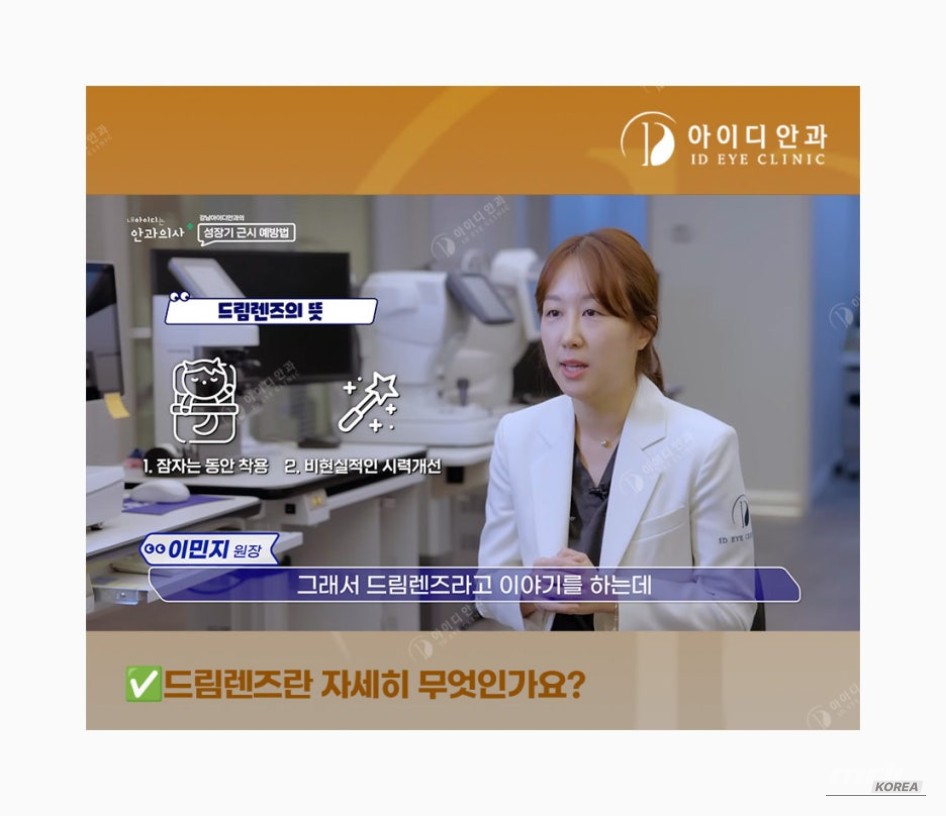
Orthokeratology lenses are special contact lenses worn overnight to correct vision. They can be used by children as young as 5-6 years old, elementary school students, adolescents, and even adults who need vision correction.
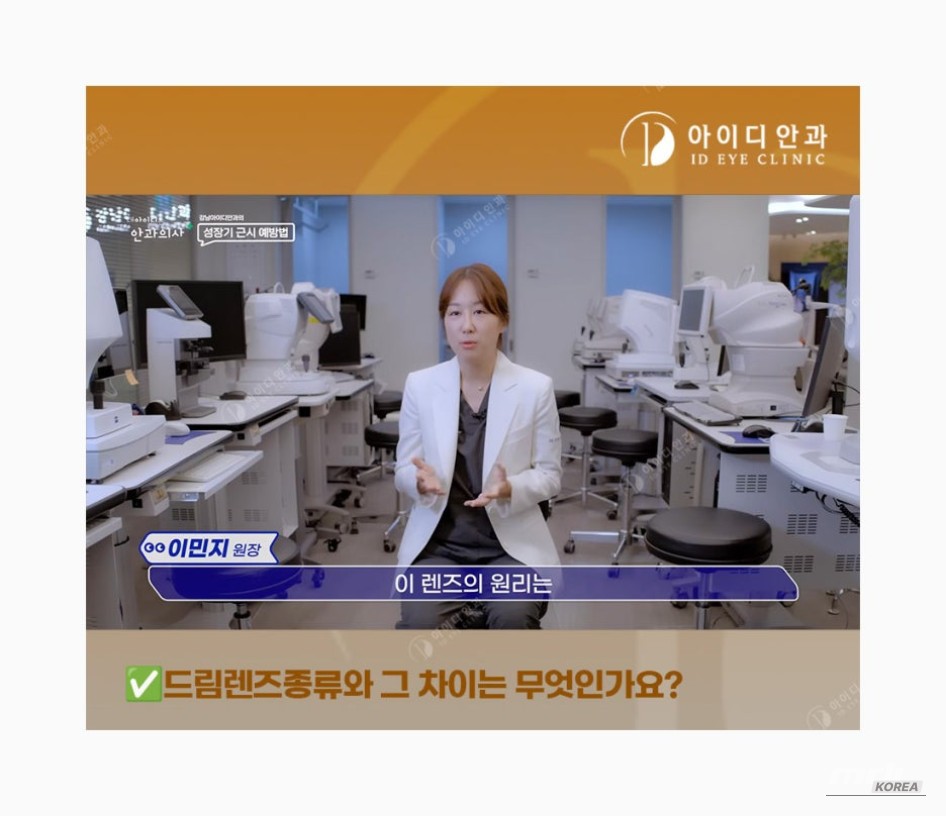
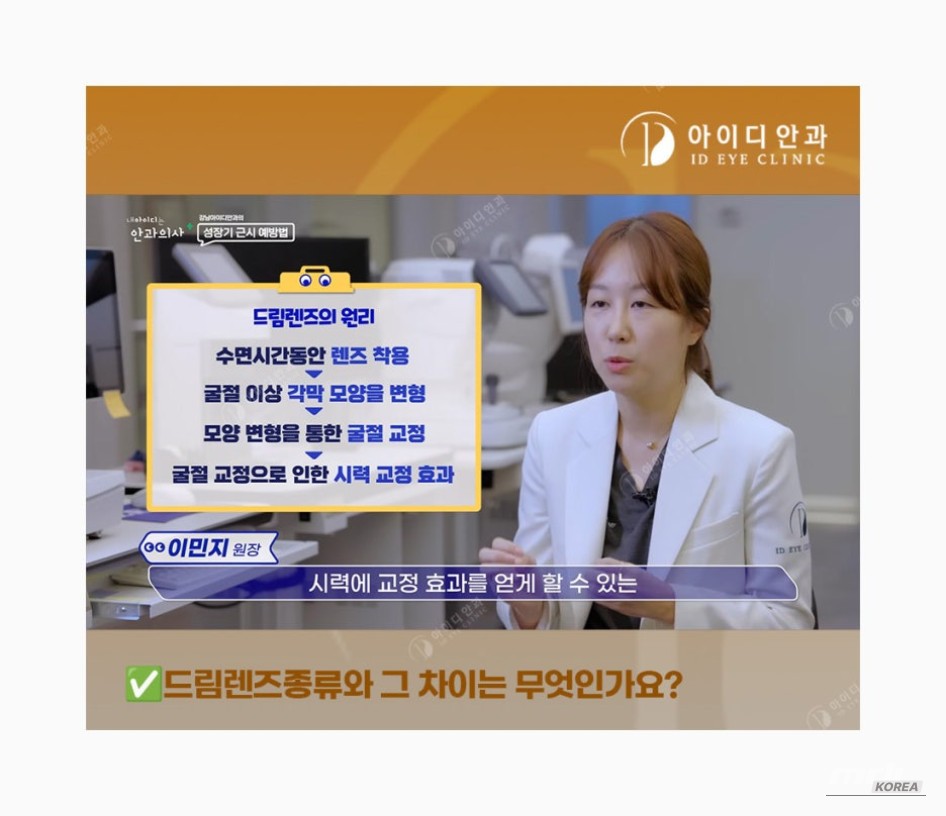
The formal name for orthokeratology lenses is corneal refractive therapy lenses. They are a type of hard lens with a flatter central area compared to regular lenses. By gently pressing on the center of the cornea, they flatten it, reducing the refractive power and correcting myopia and astigmatism.
When worn before bedtime and removed upon waking up, orthokeratology lenses allow you to go without glasses or regular contact lenses during the day, offering convenience in daily life. They also slow down the progression of myopia in growing children, preventing high myopia and helping maintain clear vision throughout the day without glasses.
Typically, orthokeratology lenses are worn for 6-8 hours, and the improved vision lasts for about 10-12 hours during the day. If you stop wearing them, the cornea will return to its original state within a few days.
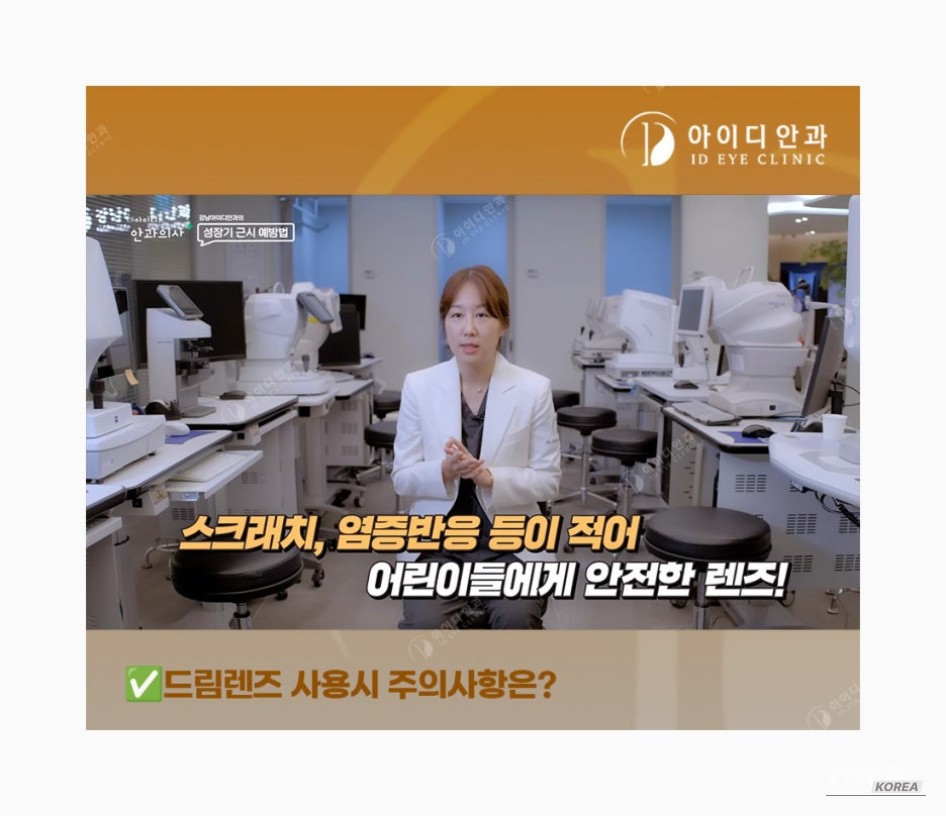
Orthokeratology lenses are considered safe for children because they correct vision without damaging the cornea, which is why many parents choose them.
What are the types of Orthokeratology Lenses and their differences?
Common types of orthokeratology lenses include LK lenses, DMC lenses, OK lenses, and Paragon CRT lenses.
LK lenses are optimized for the structure of Korean eyes, reducing pressure on the cornea and providing a stable fit. They effectively correct myopia and astigmatism with short wear times and are particularly effective for mild to moderate myopia.
DMC lenses are designed with a double aspheric curve for a gentle fit. Characterized by a flat corneal curve, they are suitable for children aged 7 and older. They balance the pressure on the central and peripheral cornea, preventing damage or inflammation to the center of the eye.
OK lenses are commonly used to correct vision up to -6 diopters. They feature a special design with tear reservoirs, making them comfortable to wear during sleep.
Finally, Paragon CRT lenses are the thinnest, with a central thickness of 0.16mm, and are made of a highly oxygen-permeable material, providing excellent comfort.
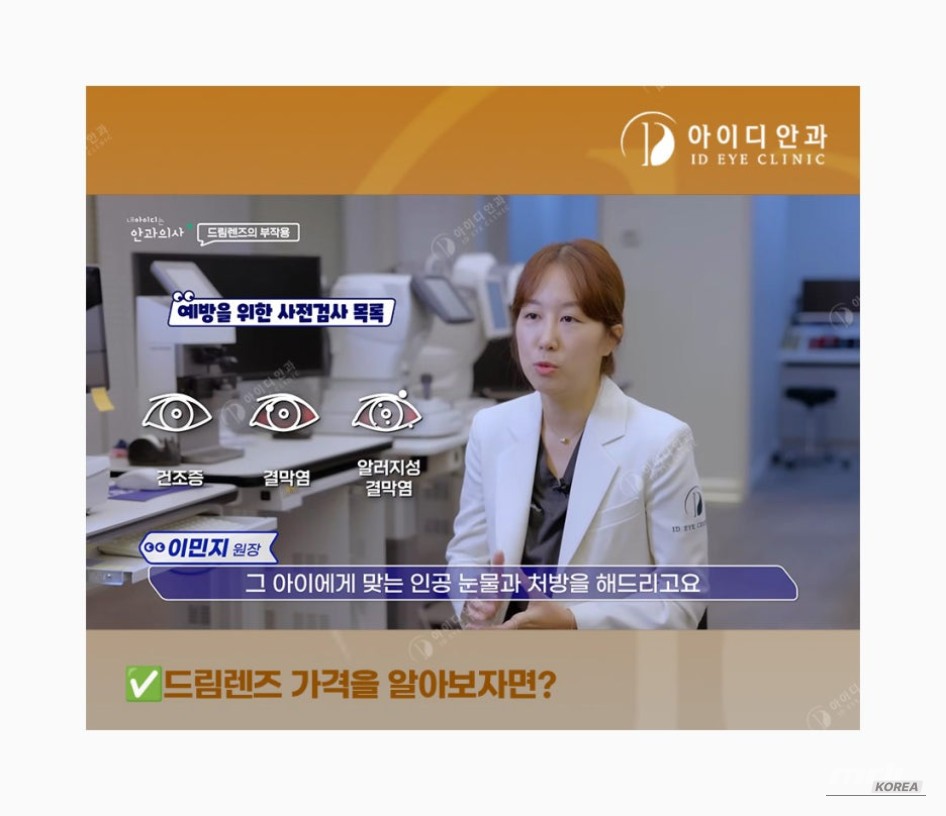
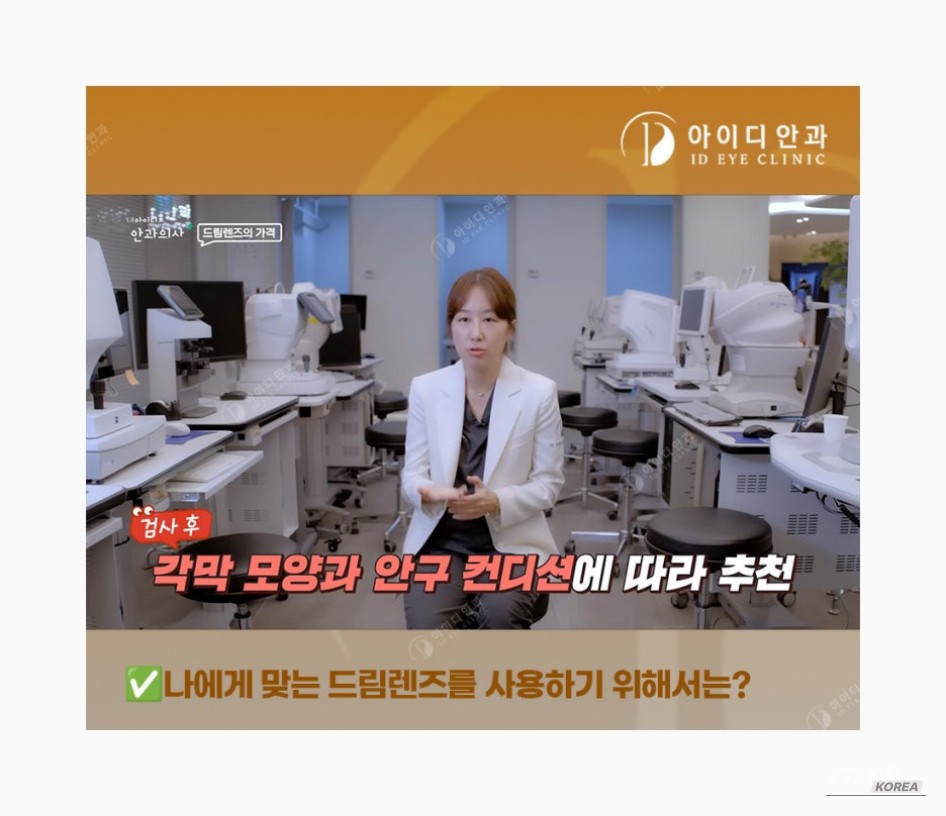
Because there are various types of orthokeratology lenses, it is important to consider the wearer's age, degree of myopia, corneal curvature, and eye condition through examination when selecting lenses. It is recommended to try on trial lenses to choose the most suitable option.
What are the precautions when using Orthokeratology Lenses?
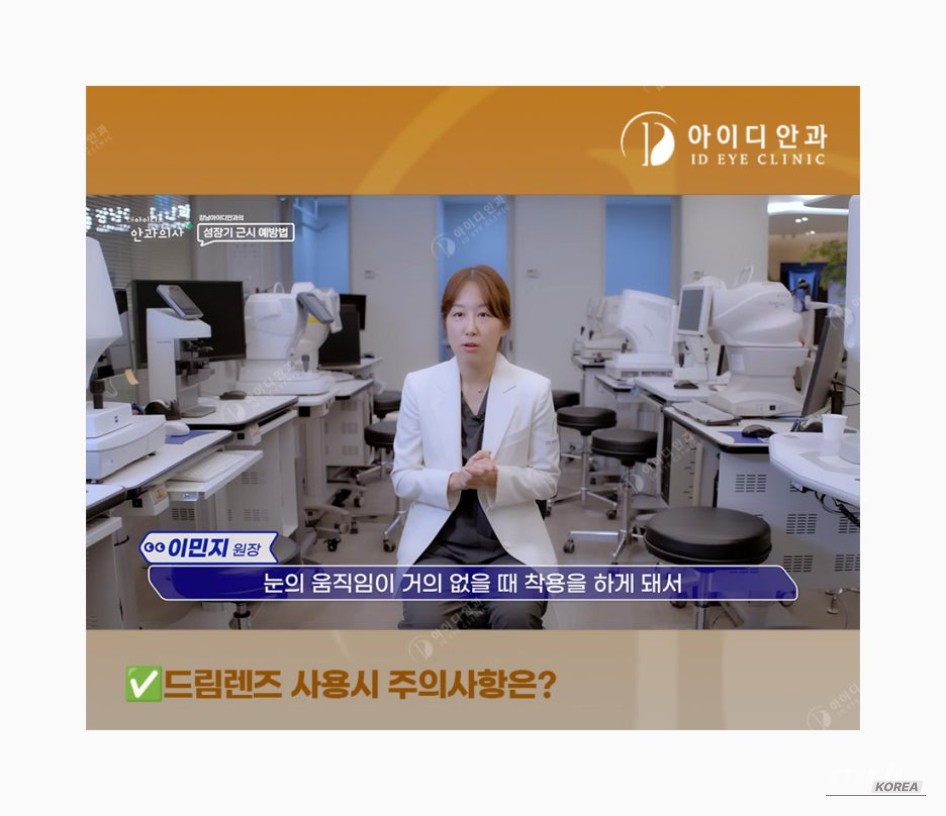
Orthokeratology lenses are an effective method of vision correction, but if not managed and used properly, they can lead to serious side effects such as keratitis or vision loss. Therefore, parental guidance and supervision are necessary for children.
Orthokeratology lenses are specialized medical lenses that require a high degree of care. After each use, they should be cleaned with a dedicated cleaning solution, rinsed with clean saline or a dedicated solution, and stored properly.
Touching the lenses without washing your hands thoroughly or cleaning them with water of inadequate quality, such as tap water or bottled water, can increase the risk of bacterial infection. It is also wise to replace the lens case regularly.
Finally, it is necessary to undergo regular check-ups every 3-6 months to monitor the condition of the eyes and vision, even after wearing the lenses.
Since lens care habits are directly related to safety, regular cleaning, storage, regular check-ups, and adherence to precautions are the most important aspects of managing orthokeratology lenses. Maximizing the effectiveness of the lenses requires understanding and incorporating these management methods into your routine.
What is the price of Orthokeratology Lenses?
Generally, the initial cost of orthokeratology lenses, including examination fees, ranges from ₩800,000 to ₩1,500,000 for both eyes, but this can vary depending on the eye clinic.
While the initial cost is higher compared to glasses or regular lenses, orthokeratology lenses can help control myopia in children, eliminate the discomfort of wearing glasses and lenses, and correct a child's vision in a safe and reliable manner. From a long-term perspective, this can be considered a worthwhile investment.
Vision is an important factor that directly affects a child's learning ability and quality of life. Therefore, rather than focusing solely on the high price of orthokeratology lenses, it is more sensible to consider it an investment in protecting your child's eye health until adulthood.
How to use the right Orthokeratology Lenses for me?
A child's eyesight changes little by little with daily habits and environment, so I would like to say that if you are worried about your child's eyesight or discomfort with glasses, you should look back on your child's eye health and start a new management method through dream lenses.
Since each person has different corneal shapes and degrees of myopia and astigmatism, it is desirable to set standards carefully and proceed with correct wearing after a thorough examination, and it is better to fit dream lenses in a place where they can be precisely examined.
After confirming whether dream lens wear is suitable through detailed eye examination, I hoped that you would fit dream lenses through lens fitting suitable for medical staff with abundant skills and experience.
Thank you for reading the long article. This has been Lee Min-ji, the head director of Gangnam ID Eye Clinic.

























Source :https://blog.naver.com/tkatlrltkatl/224040625685
No comments yet.