Cataract Surgery: Restoring Clear Vision


Hello.
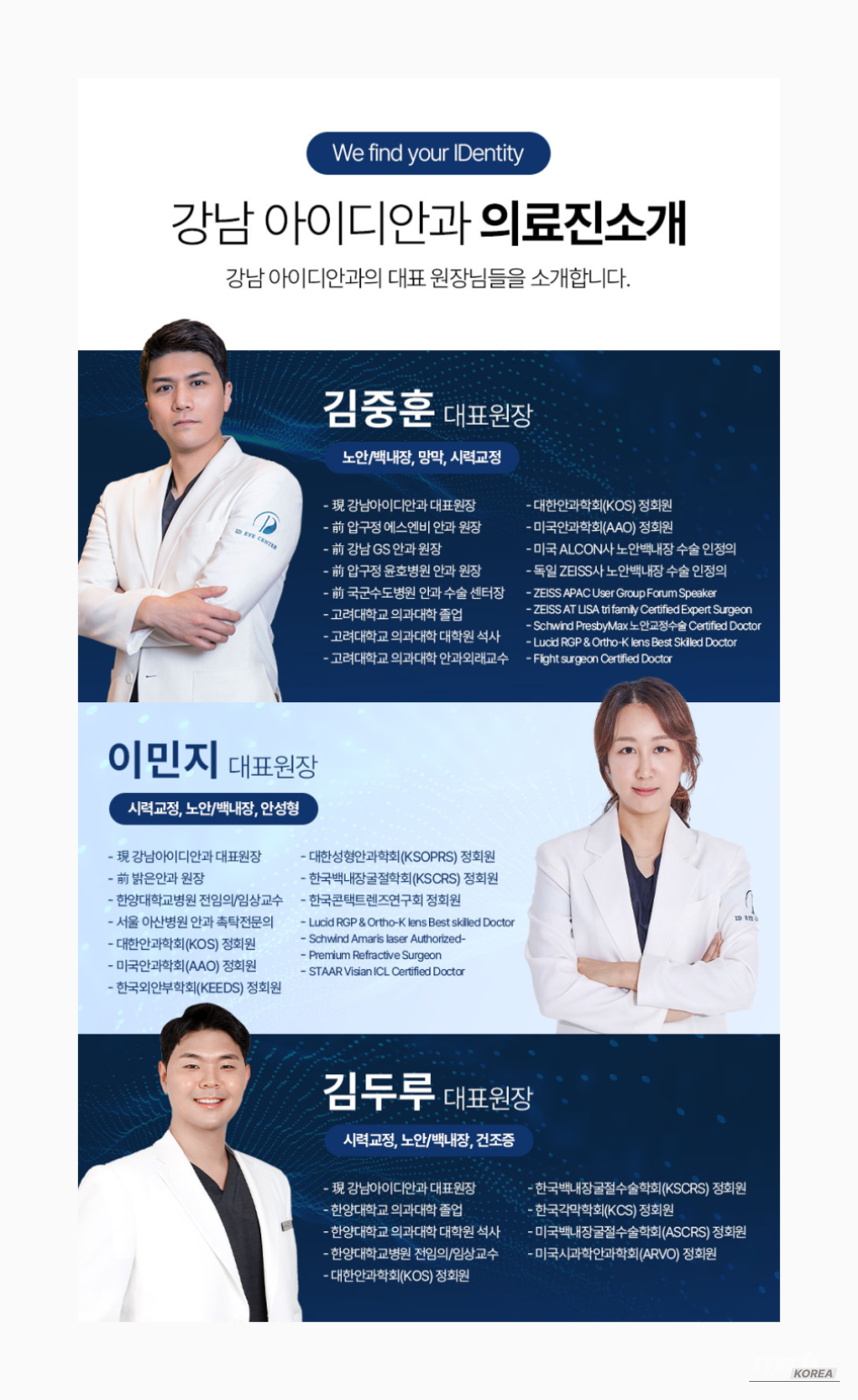
I am Dr. Kim Joong-hoon, head director of Gangnam iD Eye Clinic.
While every part of our body is important, many people become increasingly concerned about their eyes as they age. It's crucial to be particularly mindful of cataracts, which can impair eye health.
Cataracts are a common age-related eye condition. As society ages, the number of cataract patients is steadily increasing, with a significant portion of the older population over 50 and 60 experiencing them.
Unlike presbyopia (age-related farsightedness), neglecting cataracts can lead to blindness in severe cases, making early diagnosis and systematic management essential.
While cataracts were once primarily a concern for those in their 70s, the increasing use of smartphones and computers is leading to earlier onset of presbyopia and age-related eye diseases like cataracts, even in younger individuals.
For these reasons, many people are seeking information about cataracts, considering treatment options, and looking for clinics that perform cataract surgery well.
Today, we will explore the causes, symptoms, procedures, and types of intraocular lenses for cataracts, highlighting why careful consideration is necessary.
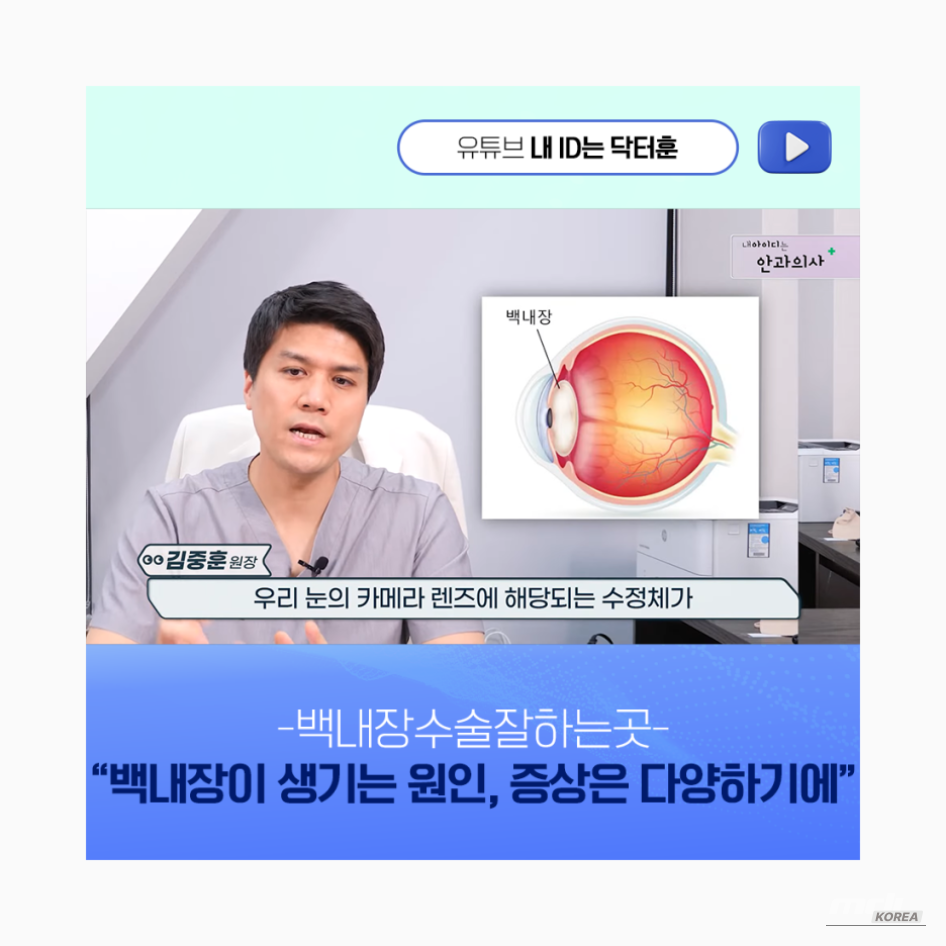
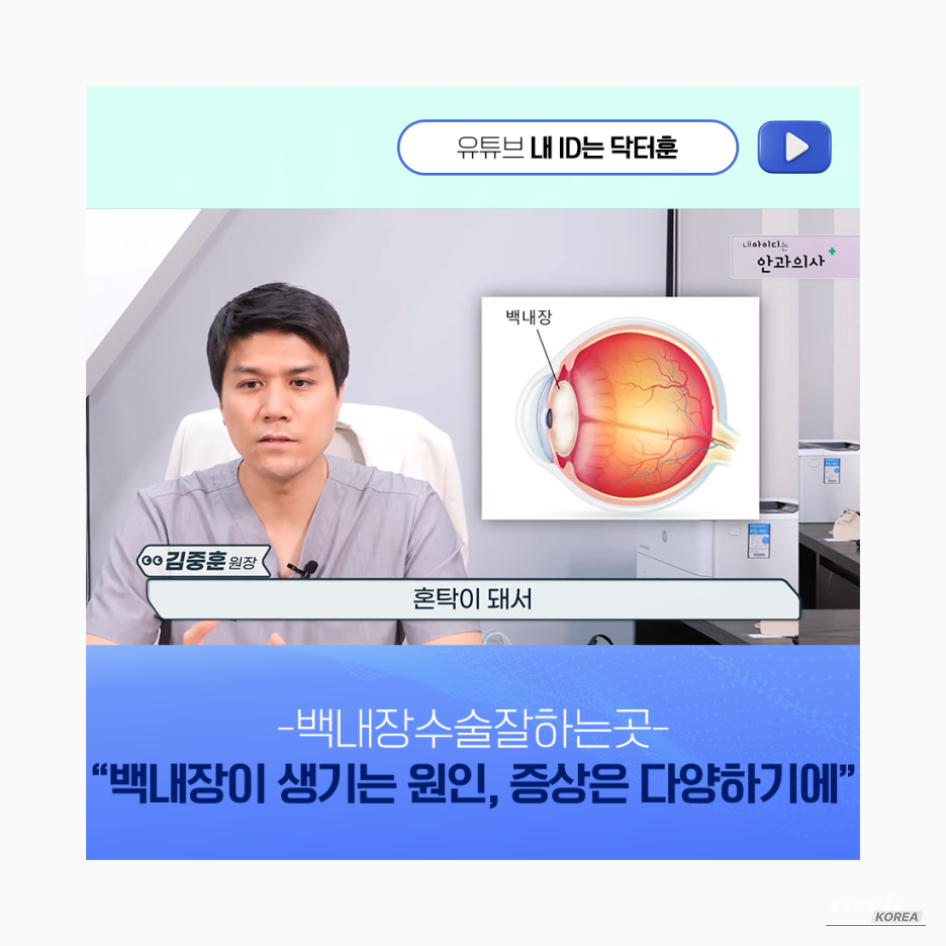
"Cataracts have various causes and symptoms." Cataracts occur when the proteins in the lens of the eye become denatured, causing clouding. This prevents light from properly reaching the retina, resulting in blurred vision.
Symptoms may include blurry or double vision, severe glare while driving at night, faded colors, and difficulty focusing on text. In older adults, light scattering and glare can increase the risk of falls.
While aging is the most common cause of cataracts, trauma, long-term steroid use, systemic diseases like diabetes, excessive UV exposure, and smoking/alcohol habits can also contribute.
With increasing cataract diagnoses across all age groups, the importance of lifestyle management and regular check-ups is emphasized. It's wise to undergo regular eye exams rather than dismissing symptoms as simply presbyopia.
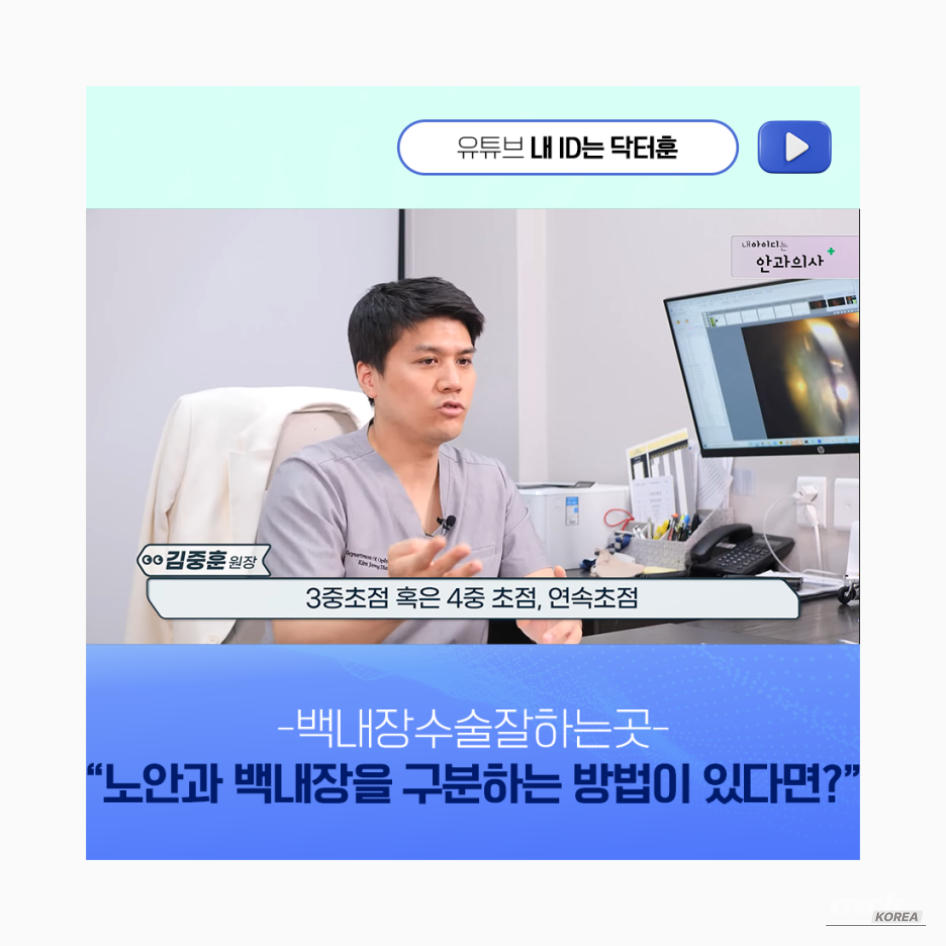
"How to differentiate between presbyopia and cataracts?"
While both conditions cause blurred vision, there are distinct differences in their symptoms.
Presbyopia is a natural aging process where the lens loses elasticity, reducing focus adjustment. Cataracts, however, are a distinct condition where the transparent lens becomes cloudy due to protein denaturation, similar to a dirty camera lens.
Presbyopia mainly affects near vision, while cataracts cause overall blurry vision, glare, halos around lights, double vision, and decreased vision in bright light (day blindness).
Initially, people may mistake these differences and attribute them to aging. However, neglecting proper management can significantly reduce quality of life or even cause blindness, making regular eye exams essential.
"Is surgery the only treatment for cataracts?"
While medication can slow the progression of cataracts, it's not a fundamental cure. Cataracts are a progressive condition that doesn't heal naturally. The only management method is surgery to remove the clouded lens and replace it with an artificial intraocular lens tailored to the individual's eye.
Recent technological advancements allow for correcting both cataracts and presbyopia. Cataract surgery itself is relatively quick but requires a delicate process of removing the clouded lens and inserting a new artificial lens.
The timing of surgery depends on the severity of symptoms. While immediate surgery isn't always necessary upon diagnosis, it should be considered if vision significantly impairs daily life. Finding a clinic that performs cataract surgery well is crucial.
"Intraocular lens selection determines the outcome." Intraocular lenses are broadly divided into monofocal and multifocal lenses.
Monofocal lenses focus on only one distance (either near or far), providing stable vision. They are more affordable, but if corrected for distance vision, reading glasses may be needed for close-up work.
Multifocal lenses, on the other hand, can correct near, intermediate, and distance vision simultaneously, improving both cataracts and presbyopia. They reduce dependence on glasses after cataract surgery, allowing for clear vision in various situations like reading, using smartphones, and driving.
Cataract surgery isn't just about removing the clouded lens; it's about selecting the most suitable intraocular lens based on the patient's eye condition and lifestyle.
With the emergence of various options like continuous focus and astigmatism-correcting lenses, it's crucial to undergo thorough consultation and precise examination, regardless of cost, to find the right lens.
"Why choose a clinic that performs cataract surgery well?"
Cataracts are an eye condition that everyone experiences with aging, but early diagnosis through regular check-ups, personalized treatment, and lifestyle management can help overcome it. Timely treatment not only restores vision but also significantly improves quality of life in old age.
Although cataract surgery seems simple, the outcome can vary depending on the choice of intraocular lens and the experience of the medical staff. The procedure may differ based on age, degree of presbyopia, presence of cataracts, and individual eye conditions. Therefore, it's essential to check for thorough eye exams, a systematic approach, the latest equipment, and meticulous aftercare before choosing the right clinic for cataract surgery.
Cataract surgery is evolving beyond simple vision restoration to reflect the patient's lifestyle and visual needs. If you experience blurry vision or double vision, don't hesitate to visit an ophthalmologist for examination.
Thank you for reading this long article. This has been Dr. Kim Joong-hoon from Gangnam iD Eye Clinic.



































Source :https://blog.naver.com/tkatlrltkatl/224017201669
No comments yet.