Cataract Lens Options: Choosing the Right Intraocular Lens for Your Lifestyle



As we age, our bodies undergo various changes, including those affecting our vision. One common age-related eye condition is cataracts, which occur when the eye's natural lens loses its transparency.
This is a natural phenomenon, similar to how objects wear out with age. However, if it causes discomfort or reduces the quality of life, proper management and treatment are necessary. Cataracts can cause blurry vision or progressive vision loss, so it's important to consult an ophthalmologist for diagnosis and treatment. Early detection and treatment can significantly improve your quality of life.
Advances in surgical techniques have led to a wider variety of artificial lenses (intraocular lenses or IOLs) for cataract surgery. Customized treatments tailored to a patient's lifestyle and vision needs are now possible. Patients who undergo cataract surgery can regain clear vision and enjoy their daily activities. It's important to recognize that cataracts can be effectively managed and treated.
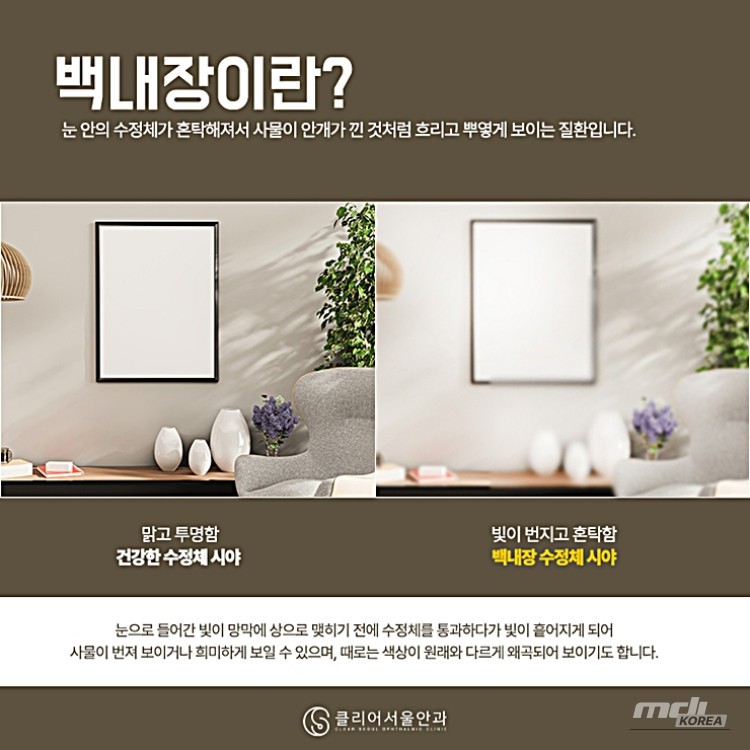
The lens inside the eye plays a crucial role in focusing light onto the retina. As we age, the lens gradually loses its transparency, leading to cataracts. This clouding of the lens prevents light from passing through properly, resulting in blurry or hazy vision. Cataracts typically develop gradually, so symptoms may not be noticeable in the early stages. However, as the condition progresses, it can interfere with daily activities such as reading and driving.
While glasses or medications may offer some temporary relief in the very early stages, cataract surgery is generally the most effective treatment. The procedure involves removing the clouded lens and replacing it with an artificial lens. Fortunately, cataract surgery is generally safe and effective, with most patients experiencing improved vision afterward.
If left untreated, cataracts can lead to various symptoms, including double vision, poor night vision, or even sudden nearsightedness. Objects may appear distorted, and color perception can be affected. Therefore, it's crucial to carefully consider cataract lens options and seek appropriate treatment.
While most cataracts are age-related, other factors such as diabetes, excessive sun exposure, nutritional deficiencies, trauma, and genetics can also contribute to their development. If you have a family history of cataracts, it's important to have regular eye exams. Untreated cataracts can lead to increased eye pressure, glaucoma, or inflammation (uveitis). In rare cases, they can even cause blindness. Therefore, surgery is generally recommended once cataracts reach a moderate stage.
Cataract surgery involves removing the clouded lens and replacing it with an artificial lens. The procedure is typically performed under local anesthesia and takes about 20 minutes. Most patients can return home on the same day and resume their normal activities within a few days.
Post-operative care is essential for a successful recovery. For about 3 weeks to a month after surgery, it's important to avoid strenuous activities and protect your eyes. Limit screen time and avoid alcohol and smoking, as they can increase the risk of inflammation. Wear sunglasses when outdoors and attend regular follow-up appointments to monitor your progress.
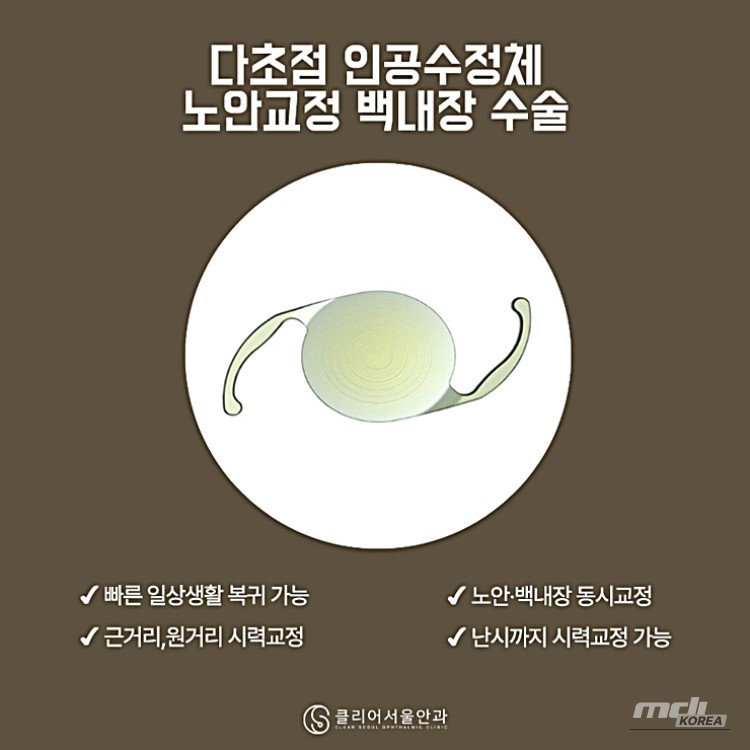
There are various types of cataract lenses available, and the choice depends on your individual needs and preferences. These include monofocal and multifocal IOLs. Monofocal lenses provide clear vision at one distance, typically far, and you may need glasses for near vision. Multifocal lenses, on the other hand, are designed to provide clear vision at multiple distances, reducing the need for glasses. Multifocal lenses may cause some glare or halos around lights, and they may require an adjustment period.
Cataracts are a common age-related condition, but early detection and treatment can restore clear vision and improve your quality of life. With advancements in surgical techniques and IOL technology, customized solutions are available to meet individual needs. Rather than accepting cataracts as an inevitable part of aging, it's important to recognize that they can be effectively managed. Regular eye exams and consultations with your ophthalmologist can help you maintain healthy vision and enjoy a bright and fulfilling life.

























Source :https://blog.naver.com/whgus4231/224005103857
No comments yet.