Blurred Vision: Understanding Presbyopia and Early Cataract Symptoms



As we age, our eye health changes, making proper care essential.
We constantly use our eyes in our daily lives. Like other organs in the body, the eyes undergo natural aging, leading to various changes and discomforts. Eye aging typically begins in the 40s, increasing the likelihood of ophthalmic issues.
Since eye damage is often difficult to reverse, early management and prevention are crucial. Instead of waiting for significant vision loss or specific symptoms, regular eye exams can help protect your vision in the long term.
Presbyopia: A Natural Change Everyone Experiences
One of the most common age-related eye changes is presbyopia. Rather than a disease, presbyopia is a physiological phenomenon where the eye's focusing ability gradually declines with age, typically starting in the late 40s.
Initially, you might experience mild symptoms like blurry vision up close or frequent blinking when reading. Over time, it becomes more difficult to focus on near objects, making reading or using a smartphone challenging. While almost everyone experiences these symptoms, the onset and progression of presbyopia can vary.
The primary causes of presbyopia are the decreased elasticity of the lens and the weakening of the ciliary muscles. In youth, the lens is flexible, allowing the eye to focus on both near and far objects. However, as we age, the lens hardens, reducing its ability to focus.
In the past, these symptoms typically appeared in the late 40s to early 50s. However, the increased use of electronic devices, lack of sleep, and stress have led to a rise in presbyopia cases among those in their late 30s. Prolonged screen time and exposure to artificial lighting can fatigue the eyes and weaken their ability to recover.
Presbyopia specifically affects near vision, causing close objects to appear blurry. While distant vision remains relatively clear, you may find yourself squinting or holding reading materials at arm's length. Regular eyeglasses for nearsightedness won't correct this, so reading glasses or progressive lenses are necessary.
Cataracts: A Clouding Issue, Not Just Vision Loss
Another common age-related eye condition is cataracts. Cataracts occur when the eye's lens gradually loses transparency and becomes cloudy, blurring vision. Initially, there may be little discomfort, but the condition can progress to the point where it impairs daily life.
While presbyopia only affects near vision due to decreased focusing ability, cataracts cause a general decline in overall vision due to the lens itself becoming opaque. The lens, which plays a vital role in focusing light onto the retina, becomes cloudy, scattering light and preventing clear vision.
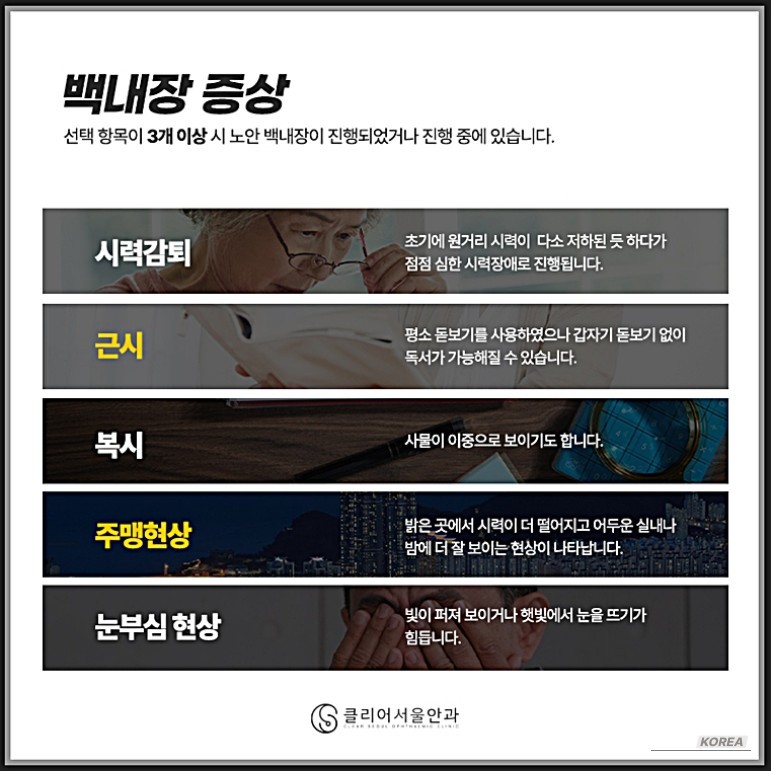
Early symptoms of cataracts may start with a feeling of 'dim vision.' However, they can progress to various visual disturbances, including glare, double vision, impaired color perception, and decreased night vision. At night, car headlights or streetlights may appear excessively blurry, and bright light may cause glare, making it difficult to see. In severe cases, cataracts can lead to significant vision loss, making it difficult to recognize shapes.
How to Differentiate and Treat Presbyopia and Cataracts
Both presbyopia and cataracts are age-related eye changes, but their causes and treatments differ. Presbyopia can be managed with simple aids or surgery, while the only known treatment for cataracts is surgical lens removal.
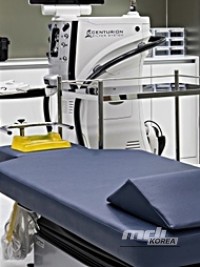
Presbyopia correction surgery typically involves vision correction techniques using an excimer laser, which reshapes the cornea to adjust focus. This surgery can correct near, intermediate, and far vision, making it effective for various vision problems. However, since presbyopia can often be managed with reading glasses alone, treatment options are tailored to the patient's preferences.
Cataract surgery is usually necessary. The clouded lens is removed using phacoemulsification (ultrasound), and an artificial lens (intraocular lens, or IOL) is implanted in its place to restore vision. There are two main types of IOLs: monofocal and multifocal, each with its own advantages and disadvantages.
Intraocular Lenses (IOLs) Explained
Monofocal IOLs are designed to focus at a single distance (usually far), so you may still need reading glasses for near tasks after surgery. However, they are relatively inexpensive and have a lower risk of side effects like glare.
Multifocal IOLs can focus at multiple distances (far, intermediate, and near), allowing you to see without glasses or reading glasses. However, they may require some initial adjustment time and are more expensive.
The choice of IOL should be based on a comprehensive consultation with a specialist, considering your lifestyle, vision needs, occupation, and budget, rather than relying solely on cost, reviews, or promotions.
Preventive Eye Health Measures
Since presbyopia and cataracts develop gradually, regular eye exams, eye health management, and awareness of early symptoms are crucial for prevention and early intervention. The eyes are precious sensory organs that we use throughout our lives. Damage to them can be difficult to reverse and can directly impact our quality of life.
If you experience blurry vision, double vision, or slow focusing, don't ignore it. Seek an accurate diagnosis from an eye doctor. Cataracts, in particular, progress slowly, but can lead to blindness if left untreated, making early diagnosis and treatment essential.
Sufficient sleep, eye rest, blue light protection, and antioxidant intake can help slow down eye aging. Reduce excessive smartphone or computer use and rest your eyes for 10-15 minutes every 1-2 hours. Eye health is a key factor in our quality of life. Since eye aging accelerates after middle age, it's important to practice regular eye exams and healthy habits now. If you notice blurry near vision, double vision, or cloudy vision, don't dismiss it—get your eyes checked.
In today's society, digital devices are essential, placing a greater burden on our eyes. Protecting eye health requires improving overall lifestyle habits and getting regular professional check-ups. Since eye damage is irreversible, don't ignore even minor symptoms. Blurry vision, slow focusing, night vision problems, and glare may not just be fatigue. These symptoms could indicate early presbyopia or cataracts, so it's important to consult an ophthalmologist for a thorough examination.






















Source :https://blog.naver.com/whgus4231/224028151426
No comments yet.