Migraine-Associated Vertigo: Causes, Symptoms, and Treatment Options



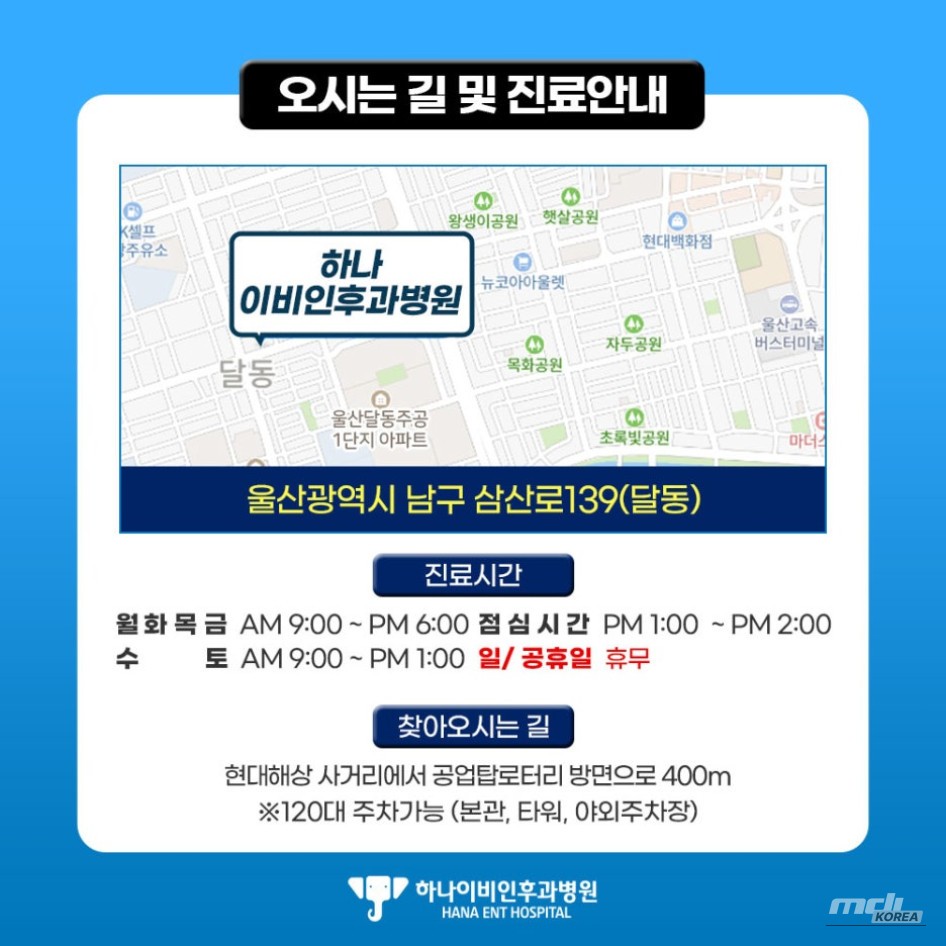
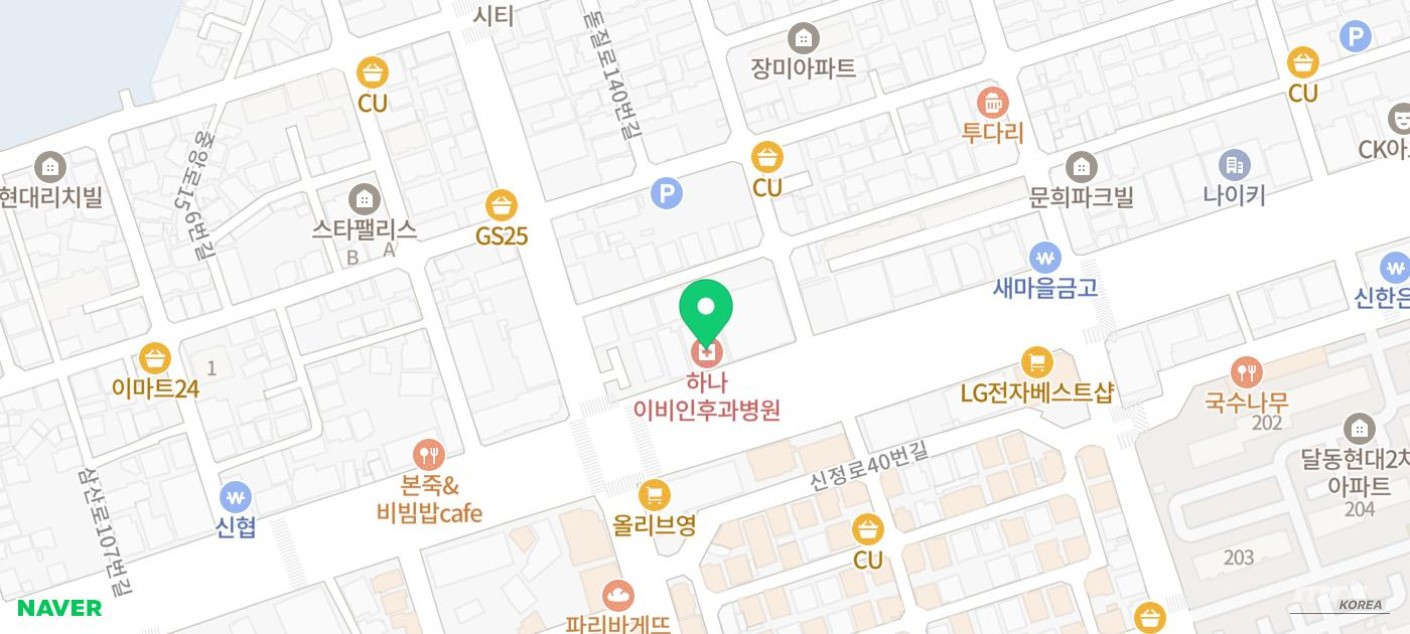
Hello, this is Ulsan Hana ENT Clinic, located in Samsan-dong. If you experience throbbing headaches coupled with balance issues, it might be more than just simple fatigue or stress.
If these symptoms occur frequently, you should consider the possibility of migraine-related problems. Headaches accompanied by dizziness can significantly disrupt your daily life, and if you're unsure of the cause, it can lead to increased anxiety, requiring special attention.
Today, we will explore the causes, symptoms, and treatments for migraine-associated vertigo. We encourage those who need this information to carefully read through this health guide.
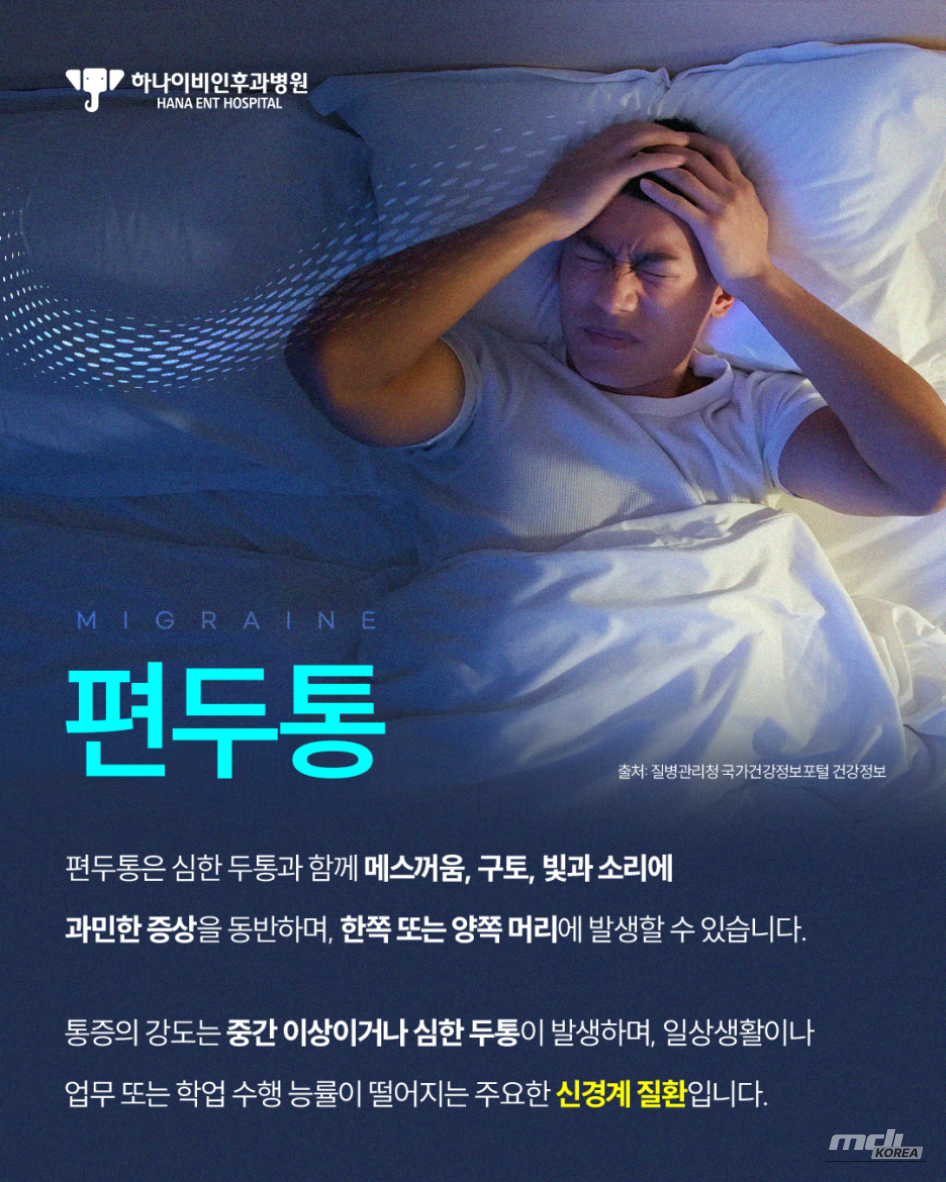
While headaches and dizziness may seem like separate issues, they are closely related. Although the term 'migraine' might suggest severe pain, it actually involves the brainstem becoming overactive due to various factors, leading to heightened sensitivity to stimuli like sounds or light.
Since the brainstem also regulates balance, migraines can cause severe dizziness. It's worth noting that people who frequently experience migraines are twice as likely to experience dizziness compared to those who don't. Conversely, individuals who experience dizziness are 1.5 times more likely to suffer from migraines.
This condition is often referred to as migraine-associated vertigo, primarily caused by changes in cerebral blood flow, imbalances in the nervous system, or autonomic dysfunction.
While mild, temporary headaches may improve with rest and pain relievers, migraine-related dizziness often involves multiple factors, making it crucial to start treatment tailored to your specific condition. At our clinic, accurately identifying the underlying cause is paramount.
Let's briefly examine the causes of migraine-associated vertigo. Imbalances in the autonomic nervous system due to stress, sleep disturbances, irregular lifestyles, or poor dietary habits can destabilize cerebral blood flow, leading to severe dizziness.
Maintaining the same posture for extended periods or having poor habits can cause muscle tension, potentially compressing nerves and worsening symptoms. If you have cervical spine issues or problems with your neck joints, these issues may occur more frequently.
Repeated anxiety or tension can hinder blood flow, negatively affecting the inner ear's balance mechanisms and the brain, ultimately triggering dizziness. Significant hormonal changes are also linked to migraine-associated vertigo.
Women often experience these issues more frequently during periods of significant hormonal change, such as menstruation, pregnancy, childbirth, and menopause. These hormonal fluctuations can disrupt cerebral blood flow and nerve signal transmission.
Now, let's explore the preliminary symptoms of migraines. As mentioned earlier, the primary symptoms are headaches and dizziness occurring simultaneously, which may also be accompanied by nausea and vomiting.
These symptoms can last for about three days, and dizziness may worsen with head movements, visual stimuli, or sudden changes in posture. Blurred vision or seeing flashing lights or zigzag patterns can also occur, requiring careful attention.
If you experience these symptoms, please refer to the health information provided here and seek a precise diagnosis and appropriate management strategies.
Let's explore how to manage migraines that increasingly disrupt daily life. One common approach is medication.
If headaches negatively impact your daily life and occur for more than five days a month, it's advisable to get a prescription for migraine medication and take it consistently. Medications that help with blood vessel constriction and dilation, nerve-stabilizing drugs, and, in some cases, pain relievers or anti-dizziness medications may be prescribed based on your specific health condition.
However, medication is just one aspect of managing symptoms. Combining it with lifestyle improvements can lead to more positive outcomes.
Another method is vestibular rehabilitation exercises. These exercises are designed to strengthen the process by which the brain and balance organs realign the body's balance.
We recommend combining medication, vestibular rehabilitation exercises, and lifestyle modifications to reduce the risk of symptom recurrence and enable more systematic management.
Finally, if you experience headaches and dizziness simultaneously, it may not just be simple fatigue but a result of interactions between the autonomic nervous system, the nervous system, and hormonal changes.
If you frequently experience headaches and dizziness, consider getting a thorough diagnosis and managing your condition diligently to regain a healthy life.

















Source :https://blog.naver.com/recipe2160/224088882046
No comments yet.